


Introduction
“Too emotional.” It is a phrase most women have heard at work, at home, or while simply running errands. What is overlooked is the science behind fluctuating moods. Alterations in mood are not flaws in character, nor are they weaknesses. Instead, they are the result of daily hormonal cycles impacting the female body and their brain.
Grasping this concept is the first step to acceptance. It is a call to approach women’s health not through the lens of bias but through the lens of research.
Hormones Are in the Driver’s Seat
Hormones control bodily functions, and they go beyond our reproductive cycle and fertility; they are our bodies’ way of communicating with us and dictating our mood, thought process, and the manner in which we deal with stress.
Estrogen, for example, raises levels of serotonin. This is often referred to as the “happiness hormone”. Many women feel a surge in happiness and sociability in the initial phase of their menstrual cycle as a result of a surge of this hormone.
Progesterone’s calming effects drop before menstruation, resulting in the display of irritability, anxiety, or even abrupt sadness is witnessed.
The stress hormone, cortisol, is known to have greater fluctuations in women, making them more susceptible to stress and burnout.
A report issued on PubMed Central uncovered estrogen's effect on the amygdala, an important brain structure dealing with emotions. The study also highlights how women are at a greater risk of suffering from mood disorders and depression as compared to men. The heightened risk is linked with changing estrogen levels during the reproductive cycle, especially during the menopausal transition, which is marked by violent changes in estrogen levels. This suggests that hormones affect feelings and are also capable of changing the brain's neurological pathways.
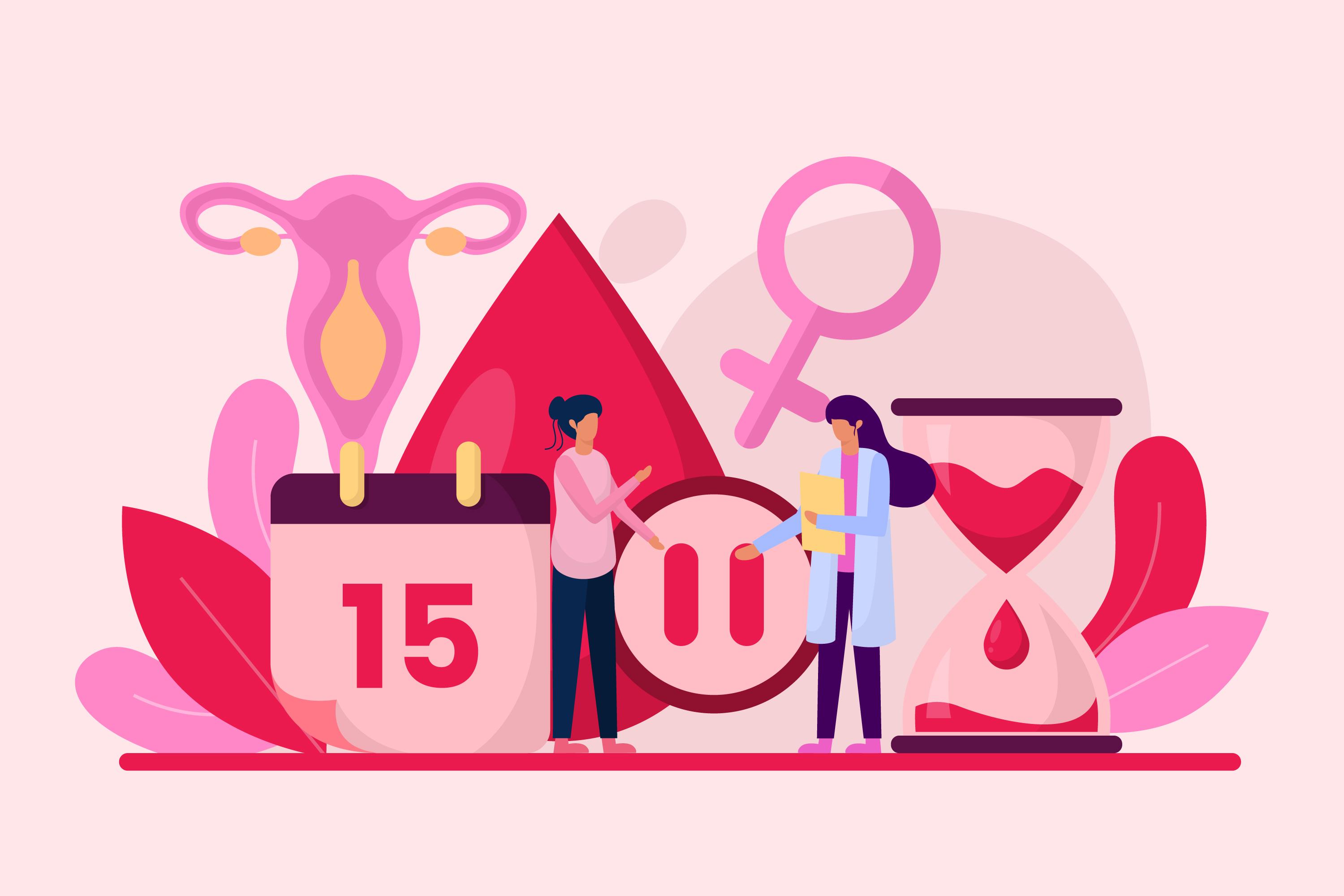
Image Credit: Freepik
Why Men and Women Experience Mood Differently
Both women and men have hormones. But works very differently for them on an individual level; Women have fluctuating estrogen and progesterone levels through their menstrual cycles, while men mostly have steady testosterone levels. Can you blame a woman for her mood swings then?
Many women describe feeling active, assured, and positive during ovulation when estrogen is highest. In the second week of her cycle, there is an inadvertent rise in progesterone and a drop in estrogen, which is associated with low energy and stronger cravings for food.
This does not imply any reduced strength in women. It just indicates the way in which biology impacts and shapes emotional experience. In fact, as reported by PubMed, because of hormonal cycles and major reproductive changes, women are at least twice as likely as men to go through depression in their lifetime
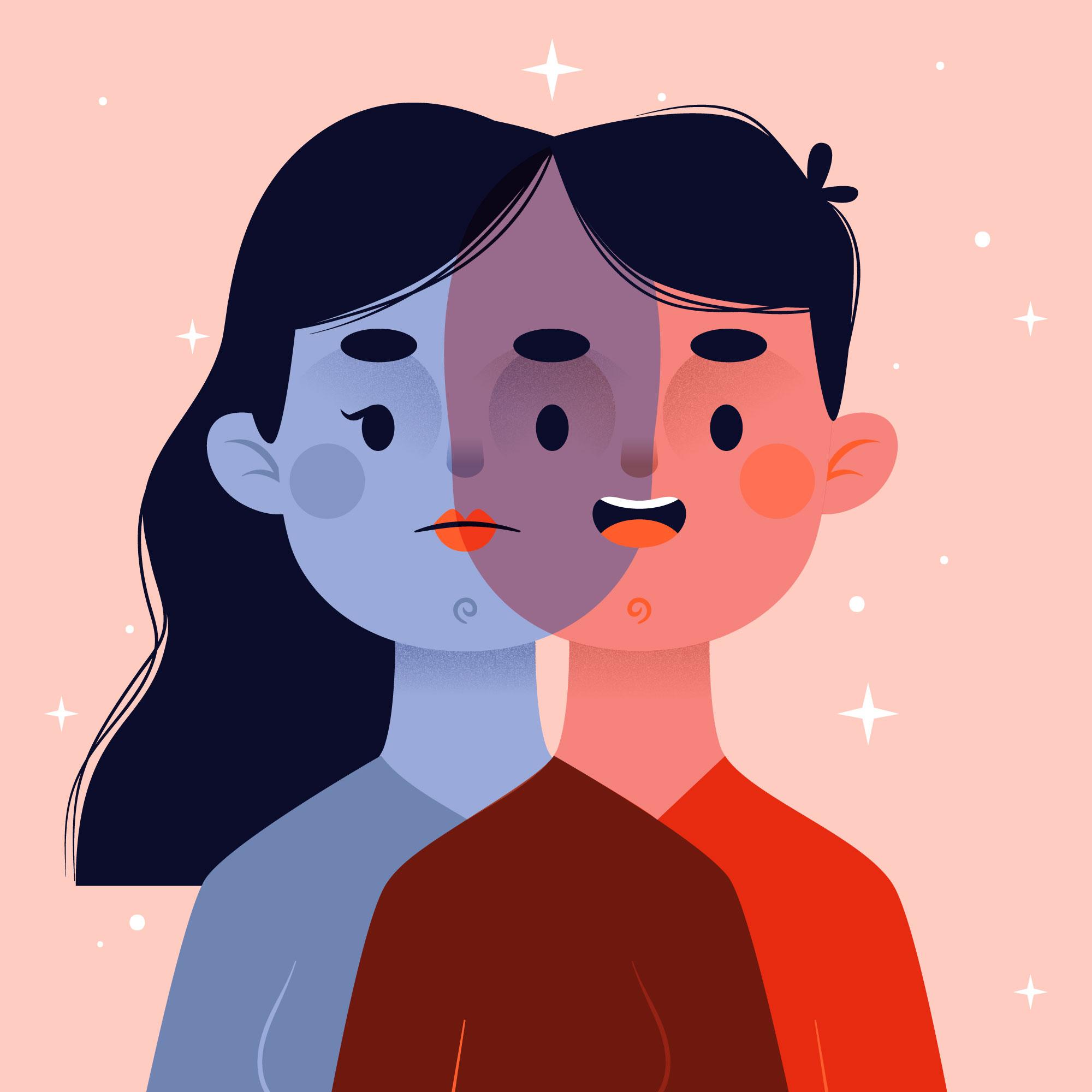
Image Credit: Freepik
When Hormones Go Off-Balance
For many women, the changes in their hormones don’t simply show up as a monthly inconvenience. It can be a full-blown tidal wave. The changing hormones don’t simply show up as a monthly inconvenience; they can be a tidal wave. Consider PCOS [Polycystic Ovary Syndrome], which is linked to anxiety and depression and affects a tenth of women globally. Hypothyroidism is a specific issue in the thyroid gland that can induce a particular type of exhaustion, brain fog, and a low mood that refuses to let go. And in the perimenopausal phase (which is the time leading up to menopause), hormone levels fluctuate without any pattern, causing hot flashes, mood swings, and an inability to get restful sleep.
If you have ever taken time out to listen to someone on PMS [Pre-Menstrual Syndrome], you will realize that there is nothing like “being dramatic” or “overreacting.” It is a very abrupt influx of unbalanced hormones and its impact on day-to-day life. It is a biological reality that needs medicine on one hand, and empathy from people around us on the other.
Finding Your Balance During Swings
Does it mean we have no control over ourselves during such hormonal shifts? The short answer is that we do, up to a certain extent. Hormones have their own rhythm, but our lifestyle choices can help balance those patterns of rhythmic changes. There are various ways in which you can find your balance between the hurricane of hormonal fluctuations.
Getting nutrition is very crucial. Consuming meals that help blood sugar stay steady, such as whole grains, proteins, and some beneficial fats, can somewhat stabilize people's moods. But of course, it differs from woman to woman, and it is best to consult a nutritionist to understand what supplements you need depending on your physiology.
Sleep also matters. Women are 40 percent more likely than men to have trouble sleeping.
Sleep hygiene refers to the amount of rest we are entitled to get. To help with insomnia, set a fixed sleep time, stay away from screens before sleep, and wake up at the same fixed time in the morning. In severe cases, consult a specialist to help with targeted exercises or even supplements.
Discipline is important. Improvement of overall wellness is gained through mind-body practices on a day-to-day basis. To better regain control over your time, these methods could suffice:
1. Breathing Techniques: Pranayama and other basic breathing techniques like the 4-7-8 Breathing Technique can help soothe our nervous system significantly.
2. Movement: A yoga class gets the body moving and helps with a better mood. A walk also decreases cortisol and helps calm the nervous system
3. Mindfulness and slowing down.: It can be practised by meditating, or by slowly savouring that cup of tea in the evening, and practicing positive affirming. Taking a long shower followed by your favourite ice cream allows you to reset and relax.
Engaging in such activities to get some rest is completely VALID.
These minor practices, inculcated daily, can certainly help manage the symptoms, even though they won’t eliminate hormonal fluctuations. Try not to stress over consuming slightly more calories than usual, as studies show that women generally experience stronger cravings during their cycle, most likely as a means to compensate for something. Take chocolate, for instance, a popular craving among women, which is often associated with low magnesium levels. Similarly, a craving for salt might be connected to having an iron deficiency.
Image Credit: Freepik
Creating Supportive Spaces
Facing mood swings without having a support system around is very tough, especially for women who have to face it alone and be called dramatic for experiencing a change in their bodies; they are silenced.
Steps taken toward shattering this silence can be encouraging. Partners and friends alike foster greater acceptance and understanding through their presence and receptiveness. These people can help to validate ‘their cycle’. Validating a woman’s emotional need even in the workplace by adding policies like ‘menstrual leave’, creates a huge impact.
The existence of supportive environments reduces stress-related health risks. Nutrition and physical activity are not the only factors essential to well-being; community and compassion matter just as much.
Conclusion
It is incorrect to label a woman's mood fluctuations as ‘just emotions’. It should be understood that they stem from hormonal rhythms and brain chemistry, combined with the stress in life, all weighing women down in one way or another. Women are and will always be capable, regardless of how heavy life feels on certain days.
With empathy, you can replace stereotypical approaches towards women as you continue to understand the science behind such changes. A woman’s fluctuating feelings should not be seen as a defect. Instead, they are a part of every woman’s biology and help showcase her strength and her resilience.
