


Introduction
Add Image
90% of drugs approved in the last decade lack human safety data for use during pregnancy. The result? A dangerous cycle of uncertainty that leaves millions of women and their doctors guessing. Whether you are taking your usual painkiller, you Google, you read the label, you ask your doctor, and still, no one can tell you for sure if that medicine is truly safe for the mother and the child!
This uncertainty isn’t just a gap in knowledge. It’s hinting us toward a much bigger problem: “our entire system of medical research wasn’t built with pregnant women in mind.”
In July 2025, an FDA panel warned that nearly 90% of all drugs approved between 2010-2019 have no human safety data for use during pregnancy. Let that sink in – almost every medicine on the market has never been properly tested on pregnant people.
And the result? Decades of guesswork, anxiety, and unavoidable harm.
The Invisible Gap That Nobody Talks About
Most women usually rely on at least one medicine during pregnancy – for nausea, depression, asthma, infections, or chronic conditions like diabetes or epilepsy. But when another human is growing inside your body, everything about how drugs work changes. Your blood volume. Hormones, metabolism – all shift.
Still, most of the research we rely on is conducted on non-pregnant bodies. However, doctors have to act like detectives, playing with dosages or changing medications based on their intuition and outdated animal data.
It’s not that the researchers don’t care – it’s just that for centuries the system has been built to exclude pregnant women “for their protection.”
The Ghost Of History Still Haunting Women Today

The roots of this problem go back to the 1950s and 60s, when tragedies like thalidomide happened – a drug which was commonly prescribed for morning sickness that caused severe birth defects – shook the world. Regulatory bodies reacted by banning pregnant women from most drug trials.
It was meant to be protective. But gradually that well-meaning caution became systemic neglect. During the entire period of pregnancy, women were not only not included in research but also their concerns were not taken into account in the study designs.
And so, while science raced ahead – developing life-saving treatments for cancer, heart disease, and mental health – pregnancy research lagged. The default patient was always a male, or if female, a non-pregnant one.
The result? A whole generation of mothers making medical decisions in the dark.
Real Women, Real Risk
Let’s consider a case: a woman struggling with depression is told to stop her antidepressant “just to be safe.” Another woman who has epilepsy is prescribed to take an older medication because there are no pregnancy data available on the newer drug, which is safer.
The fear of harming a baby often leads to the mother being left unprotected – and in this case, both the baby and the mother can suffer. Untreated depression, uncontrolled seizures, severe infections – these aren’t hypothetical risks. They’re real, and they happen every day.
The July 2025 FDA panel was meant to discuss antidepressants. But the conversation quickly widened into something much bigger: how did we end up with so little knowledge about how drugs affect pregnant women?
Why The System Stays Broken?
It is easy to blame caution, but the reasons go deeper:
Legal Fear
Pharmaceutical companies worry more about lawsuits if something goes wrong in a pregnancy trial.Financial Aspects
Testing drugs on pregnant women is very expensive, and since pregnancy is temporary, companies see less profit in that data.Ethical Issues
Institutional review boards often think it’s safer not to involve pregnant patients at all – even when the opposite might be true.
In short, Everyone’s afraid to take responsibility, so they assume that the easiest choice is to keep doing nothing.
What Needs To Change?
It doesn’t have to stay this way. Experts are already calling for a major reset in how pregnancy safety research is done.
Here’s what that could look like:
Include pregnant people in trials –
Safely, not in every single trial, but in those trials where they are most probably going to be drugged in real life.Study how pregnancy changes drug metabolism:
That means more pharmacokinetic (PK) research — figuring out the right doses and timing for pregnant bodies.Create incentives for pharmaceutical companies:
The FDA could either extend market exclusivity or offer funding for post-approval pregnancy studies.Relying on real-world data:
The hospitals and health systems already have millions of data points from pregnant patients — it’s time to use them (ethically and securely).Listen to mothers:
Women should always have a voice in how pregnancy should be studied instead of being considered as fragile subjects who are left isolated.

The Bigger Picture: Women deserve data, not guesswork
For many years, women’s health has been quietly sidelined under the banner of
“protection.” But real protection stands for unbiased information. It means having evidence strong enough to make choices confidently — without impartiality, guilt, fear, or endless “maybes.”
Pregnancy isn’t an exception or a rare condition; it’s a universal human experience. Yet, we still live in a world where our medical system treats pregnancy as an exception.
We can definitely change this scenario — but only if we start asking the hard question:
Why are we comfortable approving drugs for millions without knowing how they affect half the population?
Why do we still treat pregnant women as too fragile to be a part of tests and experiments, yet expect them to make life-changing medical decisions without the help of data?
Key Takeaway
The FDA’s warning in 2025 was not just about antidepressants. It was a wake-up call for doctors, policymakers, and drug
Companies to hear it loud and clear.
Pregnancy safety research is broken. Not because we can’t fix it, but because we’ve chosen not to.
It’s high time to raise our voice and raise our medical standards as well – for every woman who’s ever stared at the pill bottle,
wondering whether doing what’s best for herself might hurt the baby she’s carrying.
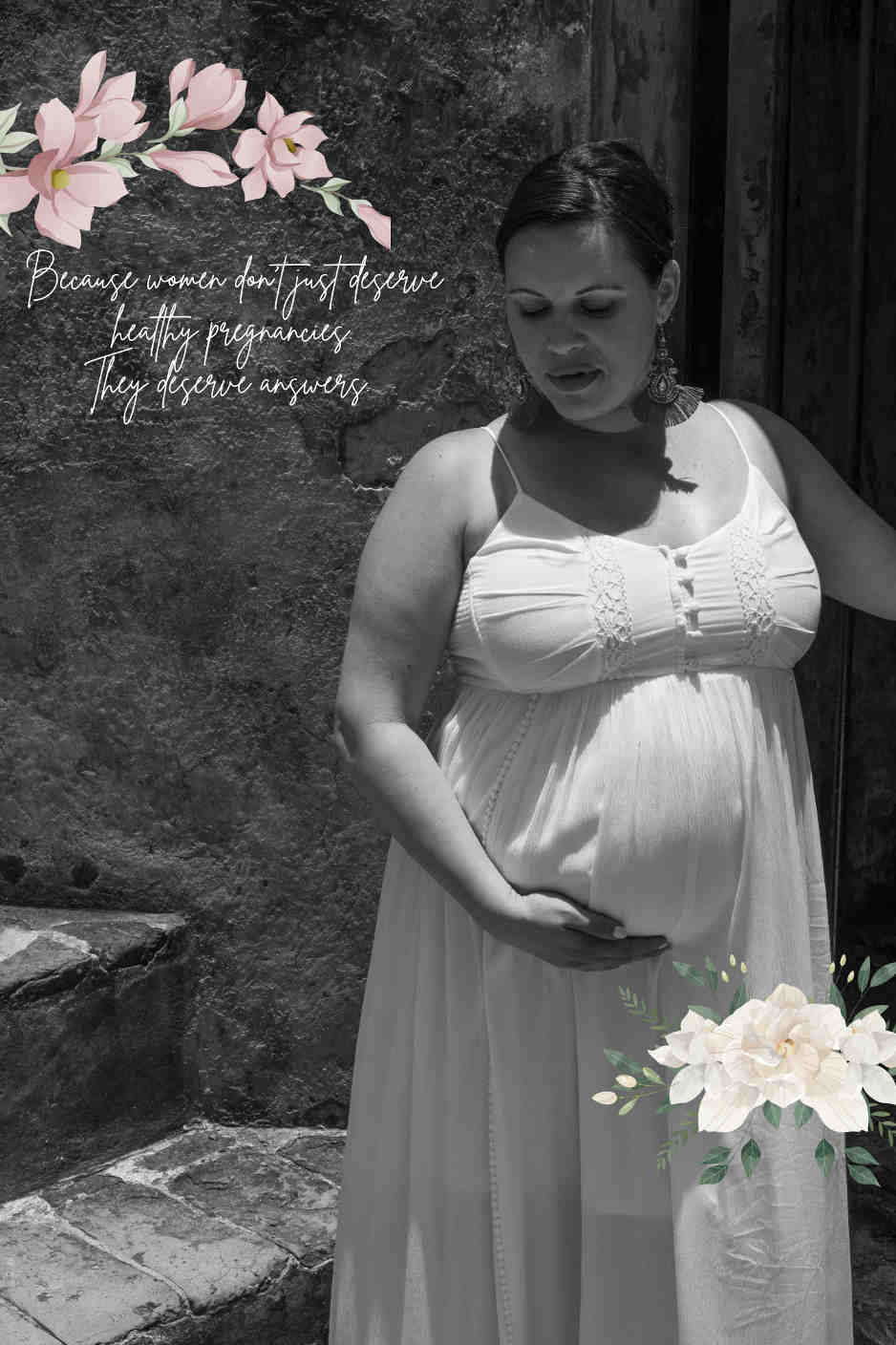
Because women don’t just deserve healthy pregnancies.
They deserve answers.
