


Introduction
In India, marriages are more than just two people coming together for partnership, companionship, or sharing a home. They often resemble an arrangement between two families, making a deal for their children to get together. Children who have grown up, often with typically overprotective Indian parents, are still seen as incapable of choosing the right partner, even at the age of 30. The concept of love marriage remains highly controversial still.
Indians also have a peculiar obsession with monitoring their adult children, despite those children being fully capable of making their own decisions. Parents in our society tend to base their choices on societal expectations, cultural norms, and traditional ideas about how life should be lived.
We are constantly taught that it is completely acceptable to view marriage as a transaction between two families, rather than a union between two individuals. Ironically, this mindset has been followed for generations; our parents and their parents have blindly accepted the idea that marriage is mainly about fulfilling certain duties and responsibilities assigned to two people.
Marriage is a climax for women’s lives.
In India, marriage is often celebrated as a point of fulfilment - in particular, for women. It is in terms of stability, respectability and social success. From childhood, women have been conditioned to fantasise about marriage as the climax of their lives.
But behind the rituals, traditions and wedding shots lies another, quietly spoken truth: marriage simply doesn't affect men and women in the same way. For most Indian men, marriage traps them into already established lives.
For the majority of Indian women, life is expected to reorganise itself around marriage. This difference is not a matter of love, effort or intention. It has to do with just how deeply-based gender roles are built into the institution of marriage itself.
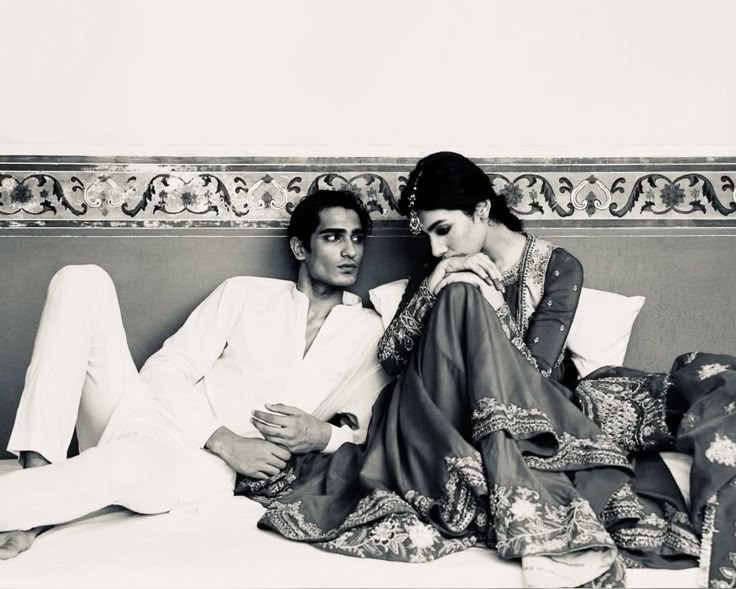
Image credit: Pinterest
Marriage as a continuity for men, a Transition for women
When a man gets married, there is little disruption in his life. He stays in the city where he has been living in even as a bachelor, in the same house, even in the same bedroom. His career path remains uninterrupted. His routine stays familiar.
For a woman, marriage is almost always a transition. She may have to move cities or states. She adapts to living in a new house, following new eating habits, falling into new rhythms and getting used to new unwritten rules. Even when the couple do not live together, the demand to "adjust" is firmly placed on her.
Marriage does not just provide an additional partner in her life. It changes the shape of her day-to-day existence.
The Invisible Responsibilities that Appear Overnight
Indian marriage is associated with a tacit job description for women. There is no formal assignment of these roles in conversation; the woman acquires them on the job.
A married woman's duties are defined and governed by her to be able to manage the routines in the home, festivals and rituals, ensure relationships with extended family members are maintained, and keep emotional harmony intact within the home. She becomes the keeper of traditions, calendars and social obligations.
Working women are not exempt. Paid employment has been counted as an addition, not a substitute, to domestic labour. After office hours, the second shift commences - cooking, cleaning, caregiving and managing.
For men, marriage rarely brings an equal extension of responsibility. While some men help more than those in the previous generations, the mental load - remembering, anticipating, coordinating - falls on women's shoulders.
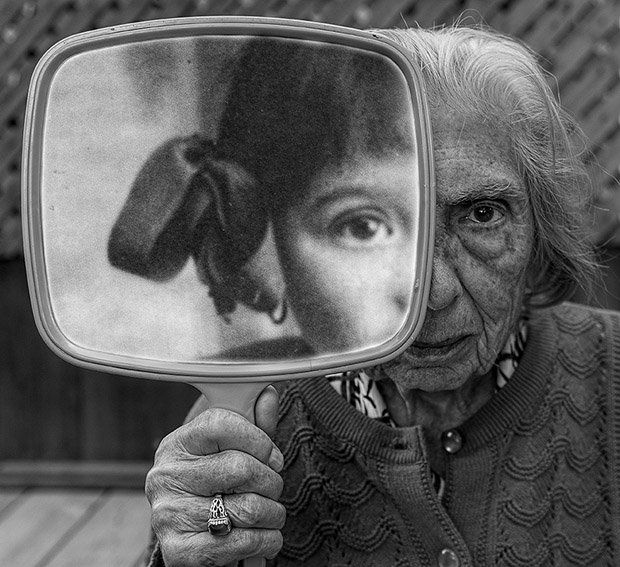
Image credit: Pinterest
Careers Bend More Often for Women
Marriage tends to be the turning point at which an Indian woman's career is quietly reviewed. The questions may not be aggressive, but they are persistent. Is the job flexible? Will late hours impact family life? What is going to happen after the children arrive?
Advice comes in the context of care, with the subtext voiced very clearly: Her career is up for grabs. Men rarely have the same scrutiny. Their work is taken to be central and essential. In fact, marriage is often the thing that augments a man's image in the professional workforce, reinforcing images of stability and responsibility.
For women, ambition is conditional. Career compromises are shown as maturity, not sacrifice.
Time Stops Being Fully Hers
Before marriage, time is a property of the individual. After marriage, a woman's time is to be shared - and, often, claimed. In many Indian households, women's time schedules are based around the needs of others in their lives: meal times, family routines, caregiving and social obligations.
Personal time can only exist after everything else is taken care of. Men's leisure, on the other hand, is something rarely questioned. Rest is considered earned. Socialising is normal. Solitude is allowed. For women, rest often carries guilt - as if not doing anything must be justified.
Emotional Labour Becomes Her Default Position
Indian women are socialised at an early age to control emotions - to maintain peace, ease the edge of conflict, and absorb discomfort. This conditioning is made more severe post-marriage.
A married woman naturally becomes the emotional anchor of the household. She anticipates tension, mediates disagreements, maintains communication and ensures emotional stability - even when she herself is overwhelmed.
Men are not often socialised to understand emotional maintenance as their responsibility. As a result, emotional labour is another task which women perform daily without pay, is often unrecognised and rarely equally distributed.
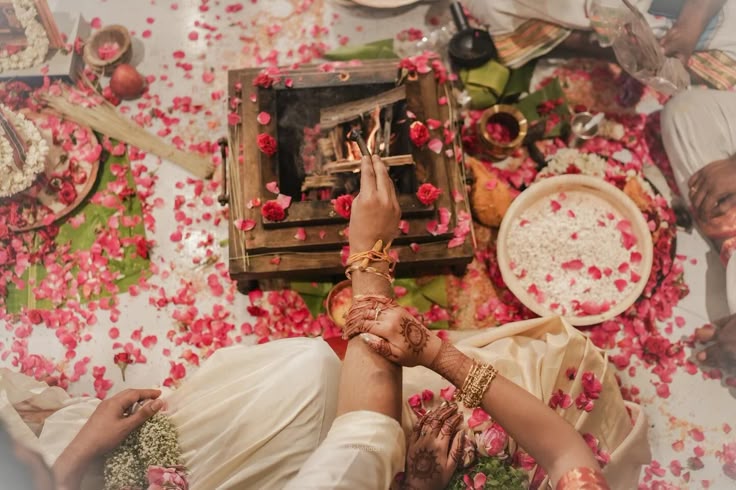
Image credit: Pinterest
The Marital Status of Women Changes Their Social Identity
In Indian society, marriage is not only a transformation of a woman's personal life - it is a transformation of her own way of being viewed. She is not simply herself any longer. She becomes someone's wife, or someone's daughter-in-law, or someone's future mother.
Her individuality is secondary to her relations. A married man, by contrast, retains the view of an individual. While his identity expands, hers narrows down. This shift impacts the extent to which women speak, their ambitions are downplayed, and the level of autonomy they are allowed is limited.
Expectations of Motherhood Start Immediately
Marriage subjects Indian women to a nameless timeline. Soon after the wedding, there are questions. When will the child arrive? Will she continue working? Who will take care of the baby? Even before pregnancy, women are expected to organise their lives around motherhood in the future.
Their bodies and health become the talk of the town. Their personal choices become the discussion of the family. Men are seldom asked about how marriage will make changes to their role as caregivers. The assumption continues that the responsibility of caring for the family will fall automatically on the women.
General Advancement, Structural Stagnation
It would be dishonest to deny that things have improved. Many men today are more aware, more involved and much more emotionally present than past generations. But personal awareness is not enough to pull down a structure.
Other systems, such as workplaces that penalise mothers, as well as families that depend on women's unpaid labour and cultural narratives that reward women for sacrifice rather than selfhood.
Even progressive marriages are often replicas of traditional roles - but are a result of deeply ingrained conditioning.
The Emotional Cost Women Don't Like to Voice
Over time, there is a gradual erosion in the self-esteem of many Indian women. Dreams are postponed. Needs are deprioritised. Silence becomes the coping mechanism.
Wanting more feels selfish. To speak up seems disruptive. Indian culture extols endurance in women. Discomfort is glorified as strength. But endurance bears a cost - a cost carried silently by women.
What a More Equal Marriage Would Actually Require
If marriage is to make less change in women's lives, it must make a greater change in men's lives. That means that men should adjust more to routines, expectations, and priorities - not at times, but consistently.
Men need to step up and consider domestic and emotional labour as actual work. They should promote women's ambitions without any bargaining or guilt. Marriage equality is not about help. It has a lot to do with shared responsibility.
The Reality We Need To Admit
Marriage in Indian society, as it currently exists, is not neutral. It is deeply gendered.
Until we accept this reality, women will continue to pay a higher price for marriage than men. And love alone will not be sufficient to change that.
