


Depression is also far more common than many people realize. As per the Mental Health Stats, more than one in three (36.7%) women experience depression at some point in their lives, and women are diagnosed two to three times more often than men. Yet despite how common it is, many women spend years living with symptoms before seeking help, often because their depression doesn't look the way they expect it to. Recognizing these different ways depression can appear is the first step toward identifying it early and getting the support you deserve.
Here's something we don't talk about enough: depression does not manifest itself in the same way in women throughout their lives. How it shows up for someone in their 20s could be entirely different than when it is felt at 38 or 46. The reason for this is simple - You change. Your responsibilities change. Your body changes. And the emotional weight you're carrying changes, too.
Recognizing these aspects of depression can be useful for many women in identifying the symptoms early and getting help faster.

Depression in Your 20s: When Everything Feels Like a Race
Your twenties are usually sold to you as the most fun decade of your life. You should create a career, form best friends, fall in love, gain financial independence, travel, live your dreams, and discover your true self all at once.
Exciting? Yes, but it can also be very overwhelming.
The pressure to have everything figured out can be real and is where depression starts sneaking into many young women's lives. Depression doesn't necessarily mean lying around in bed all day and being sad constantly. Instead, it manifests itself as constant anxiety, second-guessing, and feeling like you are in some kind of race where everyone else is ahead of you.
There is one more source of anxiety: Social media. Each post you see is about somebody announcing their engagement, getting promoted, going on an amazing vacation, moving into a new apartment, or transforming into their dream body. You may know that you only see the best parts of their life, but does it mean anything when you start asking yourself whether you are falling behind?
Such a comparison can gradually erode your self-confidence, causing you to wonder if you are really giving enough or if you are enough. Here are some signs of depression that could affect you in your twenties:
Losing interest in activities you once enjoyed
Constantly questioning yourself and your decisions
Feeling emotionally drained, even by small tasks
Sleeping too much or struggling to sleep
Withdrawing from friends while feeling like everyone else is moving ahead
Why is this difficult to identify? Because many of these signs are considered a normal part of "adulting." You keep telling yourself that you are simply stressed out, exhausted, or adapting to new phases of life.
Depression in Your 30s: Carrying the Weight of Everyone Else
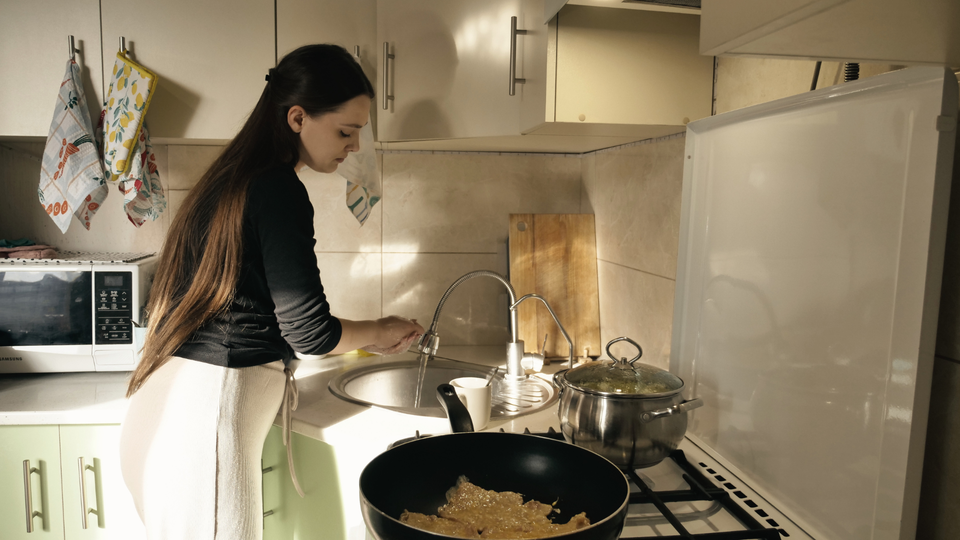
Where your twenties were spent discovering yourself, the thirties can be about keeping it all together. Nowadays, most women might have an established career, kids, a marriage or a relationship, and a mortgage to pay. But what takes the toll is usually the mental pressure that is being put on women.
You will be taking care of birthdays, making sure that you book an appointment for the doctors, cooking meals, answering teachers' queries regarding your kid, checking on elderly parents, managing money, and always knowing where everyone kept their charger.
For many women, the thirties can also be filled with personal struggles like infertility, miscarriages, postpartum depression or the struggle between motherhood and job. There are some who might have to look after their elderly parents along with pursuing their own lives.
It is not only the list of responsibilities that overwhelms, but having to bear all of them without anyone even realizing it.
And the main reason why depression is not about sadness. Depression in your thirties often isn't about constant sadness. It can feel like you've lost yourself beneath the weight of responsibilities as a wife, mom, employee etc., leaving little room for the person you used to be. The signs of depression include:
Feeling emotionally numb, even during joyful moments
Constant exhaustion despite getting enough rest
Difficulty concentrating or making decisions
Persistent guilt over never feeling like you're doing enough
Simply going through the motions instead of truly living
The problem is that nobody will see it.
But here you are still coming to work. You’re still making lunches, responding to your emails, paying bills, and caring for everybody else.
On the inside however, you’re just barely managing to keep your head above the surface. That’s precisely why there are so many “high-functioning” depressions among women in their thirties.

Depression in Your 40s: When Life Begins Asking Different Questions
When you reach your forties, life tends to take on a whole new meaning. The kids may be more independent, your work might be settled, and your relationships will continue to grow and change. Many women in their forties find themselves going through divorce, dealing with loss, or having to take care of elderly parents along with their own family.
And after many years of putting everyone else above yourself, you may find yourself wondering when you stopped paying attention to yourself.
On top of this, many women begin experiencing perimenopause in their forties. Perimenopause is a transitional period leading up to menopause where there are huge changes in hormones. One such hormone which is changed is estrogen, and estrogen can affect neurotransmitters which control emotions, causing more cases of depression and even increased depression for those who suffer from it already.
Depression in your forties is not always about being sad. Instead, you might feel numb or fatigued, irritated or simply that you've lost yourself.
However, depressive symptoms at this period in life might not be easily identified, since they do not necessarily present themselves in an exaggerated manner. Instead, they might manifest themselves through the following:
Ongoing fatigue, brain fog, or disrupted sleep
Feeling more anxious or emotionally withdrawn than usual
Losing interest in activities and relationships you once valued
A persistent feeling that something isn't quite right, even if you can't explain why
The forty-year-old age bracket is also one of introspection. It's likely that you will spend time assessing the life that you have created for yourself, evaluating whether you achieved all that you wanted to achieve and questioning yourself about what is coming next. Although such a review is perfectly normal, for some women, it becomes accompanied by profound feelings of sadness, regret, or hopelessness.
It's Not Just Hormones!
However, when speaking about women's mental wellbeing, it’s only reduced to one thing– "It's just your hormones".
It is true that the fluctuations in the hormones impact mental wellbeing as well. The periods of menstruation, pregnancy, post-partum and perimenopause might have an influence on the production of certain neurotransmitters and hormones that control a person's mood. However, hormones are just a part of the whole picture.
Imagine a mother who gives birth for the first time. On top of all the changes in her body and hormones, she experiences lack of sleep, recovery process, change in her identity and so much more. Often depression arises at the intersection of biology and life events. The "hormones" reasoning simplifies the issue.

You deserve to be happy!
Depression does not have a face, an age, or a particular reason behind it. It may manifest itself in the form of self-doubt during your twenties, the unspoken mental weight of your thirties, and the subtle emotional changes that usually happen in your forties. Though each period of your life presents unique struggles for you, there is something that does not change – your emotions must be recognized and not ignored under the pretext of "it's just stress" or "it's just hormones." Your happiness matters and you should be happy.
