


Picture this. You post a tweet about wage inequality. Or you share what it felt like to be harassed at work. Maybe you just have an opinion about something in the news.
So you hit send.
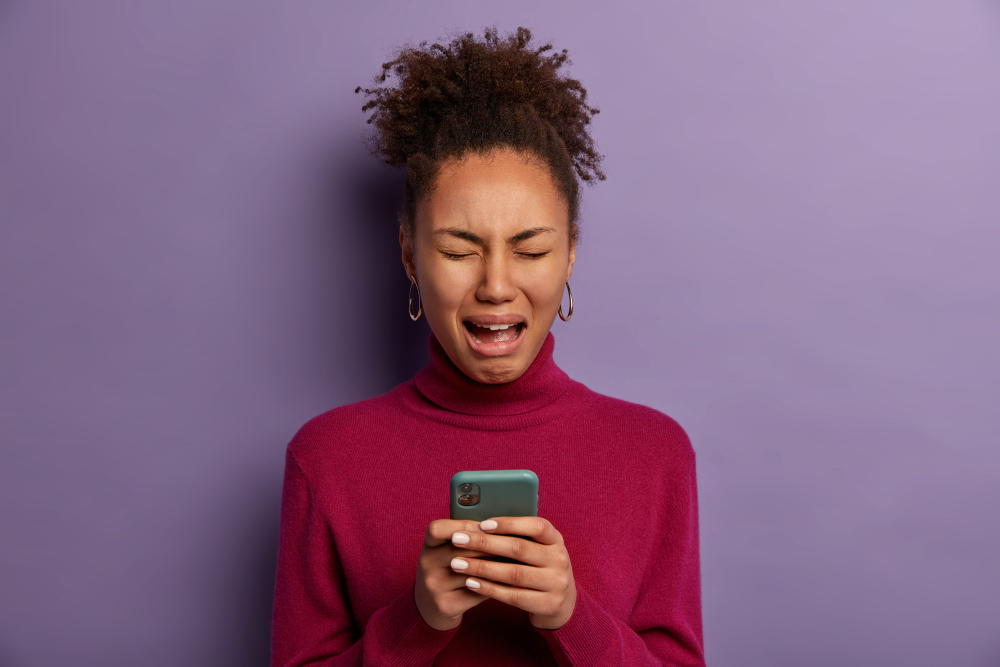
What comes back is not a debate.
It is a flood. Insults, threats, and messages designed to make you feel small, unsafe, and sorry you ever opened your mouth. For millions of women online, this is not an occasional bad experience. It happens every time they dare to take up space.
This is not random. It is a pattern, and it has a goal: to make women stop talking.
The Scale of the Problem
The data tells a clear story. A 2025 Communia report found that 52% of women had noticed more harassment on social media that year. For Gen Z women specifically, the number was closer to 60%.
The National Organization for Women published a study in March 2025, drawing on responses from over 5,100 American women. One in four said they had experienced online abuse. Women of mixed ethnic backgrounds faced the highest rates at 37%, followed by Latina and Hispanic women at 31%. Cyberbullying came up most, then sexual harassment, then trolling.
One hostile post can spiral into hundreds of messages in minutes. That is the nature of how abuse travels online.
It is not a problem contained to one country either. UN Women data puts 60% of women internet users in Arab states as having faced online violence. Across 12 countries in Eastern Europe and Central Asia, more than half of women over 18 have experienced some form of digital abuse in their lifetime.
What Counts as Abuse, and Why It Matters
A mean comment is the tip of it. Online abuse against women runs much deeper and can escalate fast.
There is cyberstalking. Sexual harassment in DMs and comment sections. Doxxing, where someone drops your home address or workplace online to send people after you. Swatting, where a fake emergency call brings armed police to your door. The sharing of intimate images without consent. Pile-ons where dozens or hundreds of accounts descend at once. Impersonation. Blackmail. And increasingly, AI-generated deepfakes, realistic fake videos or images, made and circulated specifically to humiliate a woman or destroy her credibility.
A 2024 report from the UN Secretary-General named three things driving all of this forward. A global pushback against women's rights. AI being adopted as a weapon to target women specifically. And the growth of the manosphere, a network of online communities built around contempt for women. What was once confined to obscure forums is now bleeding into mainstream platforms, shaping how ordinary people talk about women every day.
AI abuse is not a future concern. A 2025 UN Women study found that nearly one in four women journalists, activists, and human rights defenders had already been targeted with AI-assisted abuse, including deepfakes and doctored content designed to undermine them.
When Online Abuse Becomes Offline Danger
What happens online does not stay there. The connection between digital harassment and real-world harm is getting harder to ignore.
A UNESCO survey from 2020 found that one in five women journalists said the physical attacks they experienced were linked to abuse that started online. A follow-up study in 2025, using the same method, found that number had jumped to 42%.
Sarah Hendricks, Director of Policy at UN Women, has been direct about what this means: women who speak publicly, whether as journalists, activists, or everyday people with opinions, are being targeted with abuse that is built to intimidate them and push them out. And it does not always stop at the screen.
In NOW's 2025 research, nearly 13% of women who had been harassed online said they ended up fearing for their physical safety as a result. Among women who experienced swatting specifically, 78% said the impact on their lives was severe or lasting.
The Silencing Pattern: How Abuse Pushes Women Out
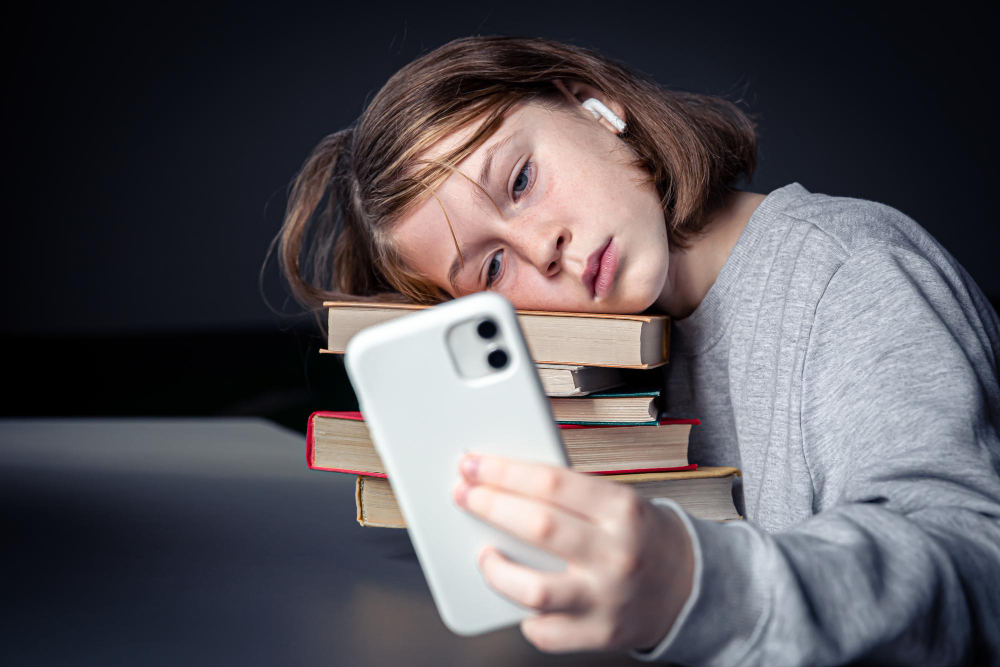
Researchers call it the chilling effect. It is what happens to a woman's public voice after she has been targeted online long enough. She does not just feel bad. She changes how she lives.
Amnesty International found that more than three in four women who experienced online harassment changed how they used social media afterward. They posted less. They stayed away from certain topics. Around a third stopped sharing their opinions on specific issues entirely.
A global study on women journalists by the International Center for Journalists, called The Chilling, found similar results. Women self-censored. Some went quiet on social media altogether. Others stopped engaging with readers, missed work, or eventually quit. A small number left journalism completely, not because they wanted to, but because the cost of staying visible had become too high.
For girls, this starts young. Plan International found that frequent harassment leads many girls to hold back their opinions or water down how they speak, just to avoid being hit. Girls who are openly feminist or activist-minded are targeted at higher rates.
Who Gets Hit Hardest
The burden does not fall equally. Over half of LGBTQIA+ women in NOW's research, 55%, said they had experienced online harassment. That is more than double the rate for the wider group surveyed. Women of colour deal with a compounded version, where misogyny and racism hit at the same time.
Women in visible roles carry extra exposure. Women in journalism and media had the highest abuse rates of any profession at 55%. Women in tech came second at nearly 40%.
For women in politics, the attacks take a specific shape. The goal is rarely to challenge their ideas. It is to drag the conversation toward their bodies, their relationships, their *********. Research from the National Democratic Institute has shown that this does not only affect the women targeted directly. It puts younger women off entering politics at all. They watch what happens and do the maths.
A 2025 Communia report also found that Native American women were twice as likely as white women to have a partner monitoring or trying to control their online activity, a reminder of how digital abuse and domestic abuse often overlap in ways that go unrecognised.
Why Platforms Keep Failing Women
Most of this abuse happens on platforms most women use every day. Facebook, Instagram, X, messaging apps. And most of those platforms have not done enough to stop it.
NOW's 2025 research found that only 14% of women felt current laws gave them real protection online. Nearly 70% said the protections in place simply are not enough.
Close to half of the women who chose not to report abuse said they did not bother because they did not believe it would change anything. That is not pessimism. It is pattern recognition. Years of slow removals, rules applied inconsistently, and reporting systems that put all the work on the person being hurt have taught women exactly what to expect.
The EU has estimated that online violence against women and girls costs between 49 and 89 billion euros annually across the bloc. That is lost work, damaged mental health, and women stepping back from public life to protect themselves.
Protecting Women's Voices Online: What Needs to Change
Progress is happening. In May 2024, the EU passed a directive targeting violence against women that includes specific provisions on online abuse. The UK, Australia, and Canada have all moved to tighten laws around image-based abuse, doxxing, and cyberstalking.
But technology is moving faster. Deepfakes, AI impersonation, coordinated harassment, these tools are ahead of the laws meant to address them. UN Women has called for cross-border cooperation because perpetrators frequently exploit jurisdictional gaps to avoid accountability.
What Women Are Doing to Fight Back
Women Are Not Waiting
Despite everything, women are not simply absorbing it. Activists are building digital safety networks. Journalists are archiving abuse for legal cases. Ordinary women are organising, calling out platforms, and demanding better.
In France, Shanley Clemot McLaren was 17 when she launched #StopFisha to fight image-based abuse. It became a national conversation and pushed platforms to act. Globally, organisations like the Global Partnership for Action on Gender-Based Online Harassment and Abuse are doing the structural work needed to move governments and tech companies.
UN Women continues to build coalitions through the Generation Equality Action Coalition. Amnesty International keeps the pressure on platforms directly. The movement is there. It is growing.
The Right to Speak Is Not a Privilege
Freedom of expression is a right. Full stop. It is not something women should have to earn by staying quiet enough to avoid being targeted.
The quiet you see from women online is not natural. It has been manufactured through years of abuse that taught them the price of being visible. That can change, but only if platforms stop treating it as an unfortunate side effect and start treating it as what it is: a structural problem with a structural fix.
Stronger laws. Real platform accountability. Systems that protect people instead of protecting engagement numbers. And a refusal to keep accepting that this is just how things are online.
