


The Bias We Don't Always See
Not all discrimination looks like discrimination. Sometimes, it looks like a “policy”.
At first impression, the hiring process is quite a fair practice. The same steps are taken by all individuals; everyone considers the same criteria and is supposed to be evaluated in terms of his/her skills. However, not everything can be reduced to such a simple approach. There can be two individuals who take the same steps and have absolutely different chances afterwards.
This is why it is so difficult to detect systemic discrimination. It does not always imply making a conscious choice based on the prejudice of one individual. Systemic discrimination occurs in a case when an organization hires, evaluates, and develops its employees with bias incorporated.
These systems could have ramifications that are much bigger than just hiring practices. It could result in the creation of a system in which equality of opportunity in all aspects of life, such as work, education, healthcare, and others, becomes inaccessible. As a consequence, companies might miss out on talent, diverse views, innovative ideas, and, ultimately, harm their reputation.
The issue cannot be solved by telling people "to be less biased." The process of solving the problem has to start with an analysis of the systems themselves. A system that appears to be neutral to everyone in theory might be discriminatory in practice. Thus, the key question is: Are we actually giving everyone a fair shot, or are some of our systems quietly getting in the way?
What Is Systemic Discrimination?
Put simply, it occurs when such injustice becomes a regular pattern of organizational or social operations. This kind of discrimination may manifest itself in the form of policies, routines, organizational cultures, or even decision-making procedures. The presence of systemic discrimination patterns for a prolonged period means that they start being perceived as something usual and, thus, unquestionable.
What is more, systemic discrimination does not necessarily represent any intention to put some group at a disadvantage. On the contrary, some rule or procedure can be absolutely reasonable at first glance but lead to drastically different consequences for various individuals.
It is here that the distinction between individual bias and systematic discrimination becomes significant. Individual bias has mostly to do with an individual’s assumptions, preference, and decision. Systematic discrimination, on the other hand, goes beyond an individual, being related more to the process within a certain system, which continuously disadvantages some people.
In simple terms, discrimination does not always lie in a particular policy; rather, it can be a consequence of its implementation.
Where Does Systemic Discrimination Enter the Hiring Process?
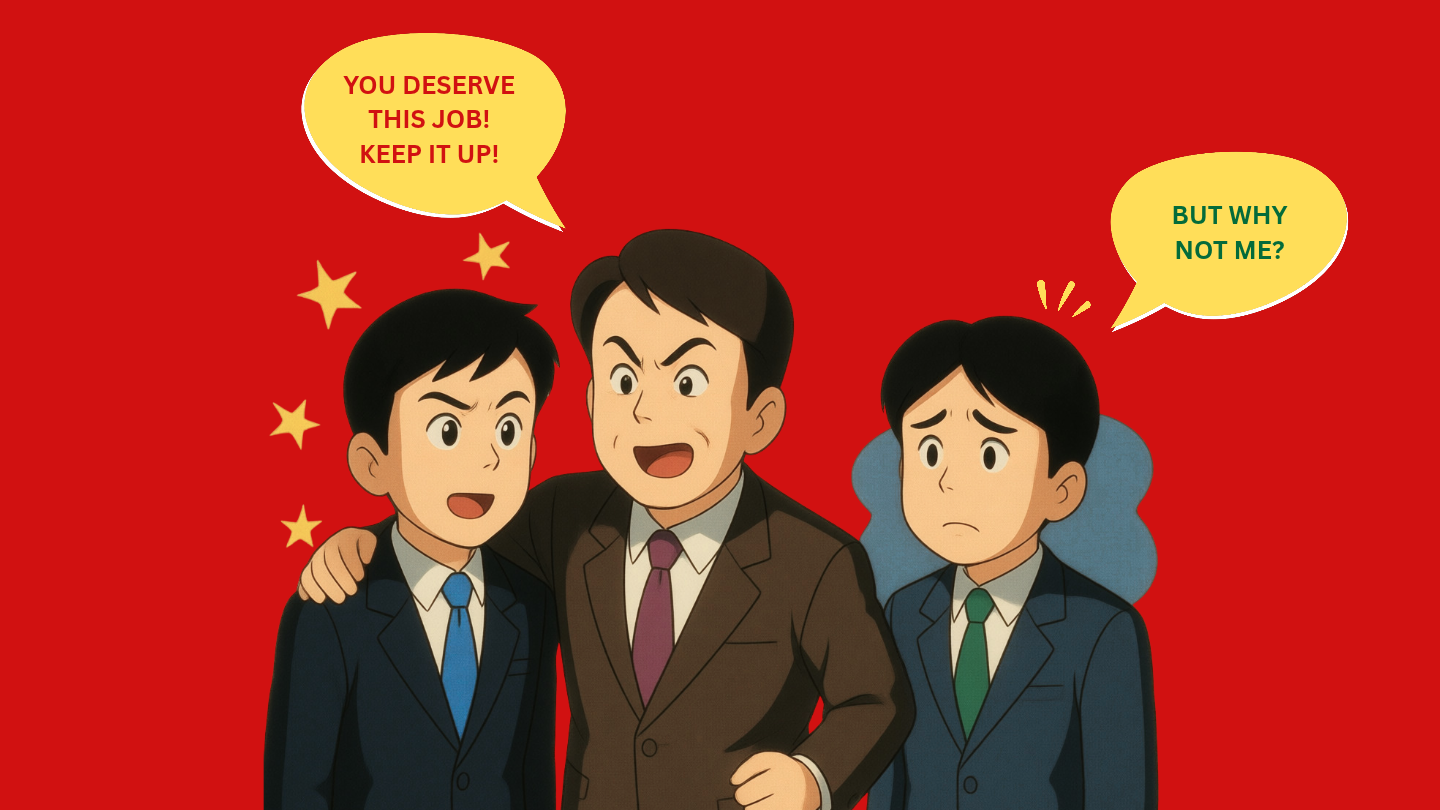
The process of systemic discrimination could occur at almost any point in the employment life cycle - right from hiring, resume screening, interviewing, pay, advancement, and training.
Recruitment and Resume Screening
Even before the potential hire gets the chance to talk to the recruiter, bias can set in. The impact of a candidate's name on their resume has already been proven by research. For example, according to Harvard Business Review, recruiters may prefer candidates whose names sound white. It has also been found in California that both Black and Latino candidates got fewer callbacks than white candidates with the same resumes.
That is not to say that someone consciously thinks, “I don’t want to hire this person because of their race.” Sometimes, bias can be subtle enough that the recruiter is not aware that it is happening. A candidate’s name, background, experience, and even communication skills can have an effect on their impression.
When "Cultural Fit" Becomes a Problem
Then there’s the expression that we often hear: “Cultural fit.”
It seems logical. Indeed, organizations need to hire employees who will be able to get along well with other employees. However, at times, “cultural fit” could become an euphemism for “Is this individual similar to the people working for our organization?”
It could happen because hiring managers feel at ease with the applicants who share similar background, language style, and experience with them. As a result, organizations may hire the same kind of people, while the goal should be to diversify the team.
To solve the problem, organizations should create a set of values as a description of its culture and consider the skills required for the position.
The Referral Loop
Another potential cycle created by employee referrals is the following. People refer those whom they know. And those people who are known often belong to the same social or professional groups.
Thus, there arises a cycle like:
Workforce already present → existing networks → referrals → similar candidates → similar workforce.
The problem with referrals does not lie in the referrals themselves. They become problematic when they are the primary means of candidate recruitment. Candidates who do not belong to these networks will have no chance of getting in.
This is one of the issues of systemic discrimination because no one needs to discriminate consciously in order to create such an outcome.
When "Neutral" Practices Produce Unequal Outcomes
Criminal background checks serve as an example of how apparently neutral policy can have differential impacts on different populations.
There are potential impacts on minority candidates from the implementation of criminal background checks during employment hiring processes. "Ban the Box" legislation has been put into effect in California in order to postpone questions concerning criminal records until further in the hiring process.
Nevertheless, there are studies showing that some negative consequences can be associated with such policies as well.
Specifically, in some instances, organizations may become more focused on other information provided by job seekers, such as name or address.
The general message here is that organizations need to look both at the intentions behind the implementation of a policy and its impacts as well.
Understanding Intersectionality
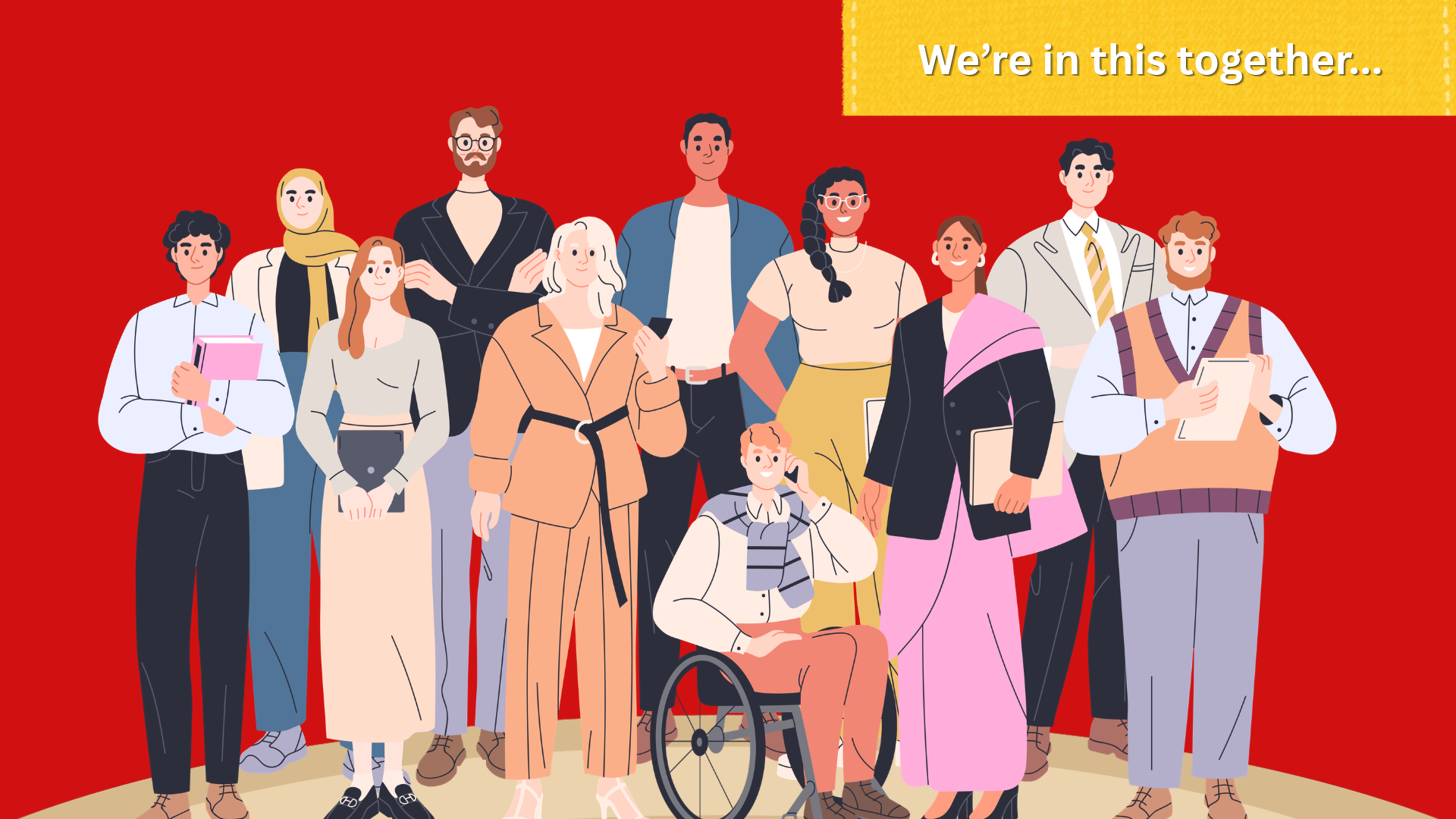
However, systemic discrimination is not always about one factor only. In fact, discrimination based on race may coincide with discrimination based on gender, age, economic status, or other issues, which complicates the process and makes barriers more difficult to address.
Thus, for instance, Black women may encounter obstacles related to race and gender. According to research done in 2025, 57% of Black women were subjected to racism or discrimination in the workplace in the previous year, while 48% felt excluded from advancing in their careers.
Therefore, companies have to consider the intersection of various kinds of discrimination.
The Organizational Cost
But the repercussions of discriminatory systems do not end with the victims themselves. If an organization depends heavily on limited networks or subjective screening methods, then it risks missing out on skilled talent and useful viewpoints.
The disparities may persist even after the hiring process through uneven access to compensation, mentorship, training, and career opportunities. In the long run, that may have implications for trust, retention, organizational culture, and even the organization’s reputation.
To put it another way, dealing with discrimination systems is not only about doing the right thing, but also about creating more productive work environments.
What Can Organizations Do?
While there is not one solution for systemic discrimination, a good place to begin would be looking at decision-making processes more closely.
Structure the hiring process: Structured interviews and job-relevant selection criteria will limit subjective assessments.
Mitigate biases when possible: Screening resumes blindly is just one method of reducing unconscious bias.
Expand the pool of applicants: Seek out talent from sources outside the usual colleges, networks, and referrals.
Think about other factors: Equality should be considered in terms of salary, mentoring, professional development, and leadership.
Evaluate the results: Analysis of hiring, promotion, salary, and retention statistics can uncover any unnoticed patterns.
Incorporate accountability into the process: A disparity does not help to anything unless organizations try to understand its reasons and address them.
Training can definitely help individuals identify their biases, but in order to be effective, it has to be supplemented by system change.
Conclusion: From Awareness to Action
Systemic discrimination is hard to detect because it is not always easy to recognize what discrimination looks like. It may resemble a recruitment policy that has always existed or referral process that is convenient, or a policy that is neutral in its appearance.
For this reason, changing organizations for the better goes beyond having good intentions. Organizations must ask themselves whether their practices are discriminatory and pay close attention to their results.
It is not necessary to achieve the ideal state immediately. What matters is to keep asking!
