


Hormones are a fairly constant thought in the minds of women from the time we hit puberty. When our bodies or moods shift, hormones are usually to blame. These days, hormone talk has moved from women’s circles to general spaces, with phrases like “she’s hormonal” becoming more common—and more irritating.
But let us face it, our hormones can in fact be drama queens. Sometimes all they need is to feel seen and heard. What we consume; the foods we eat and what we drink are what communicate to our hormones. They either tell our hormones they’re seen and supported — or that they’re on their own. Depending on what we eat, our hormones either find control and contentment or they start up a riot in our bodies where they technically live.
Periods and PMS: The 2Ps
One of the most well-known hormone-led performances is the menstrual cycle. Hormones are in charge of the progression of the cycle and the symptoms that come along with it. They give us the recurring stars of the show; Periods and PMS (Premenstrual syndrome) .
Periods and PMS are a natural part of womanhood, yet there is an irrational shame and stigma often surrounding them and causing unfair treatment worldwide.
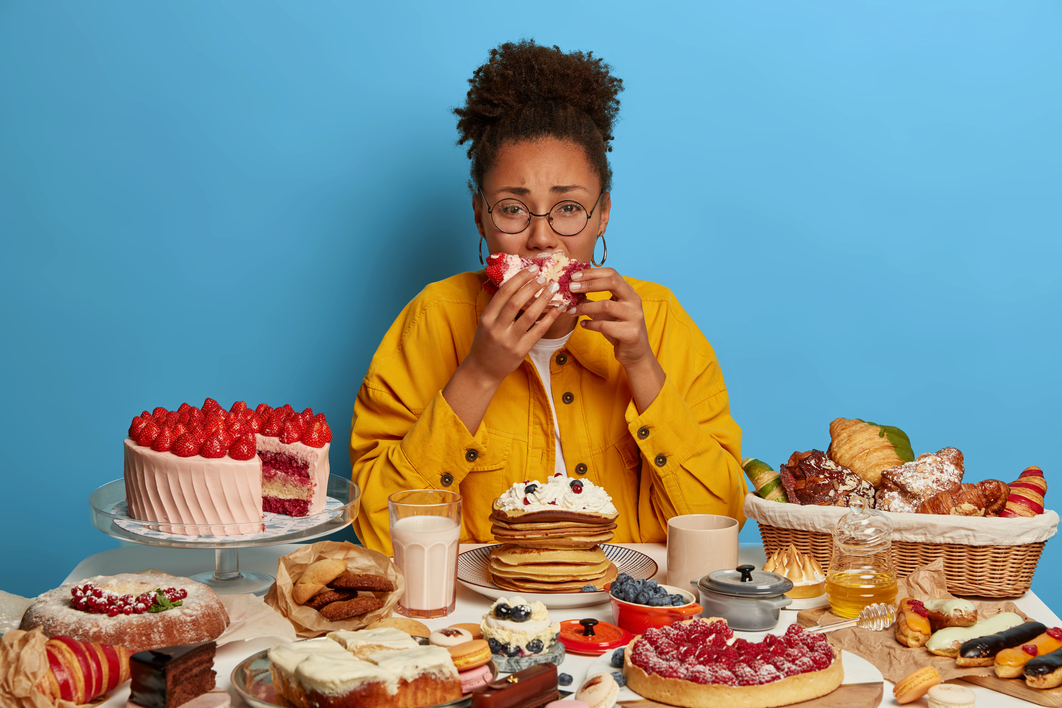
A huge part of this is shame around cravings. Many women and girls are made to believe their cravings are something to fight. The irony is that some of these cravings are our body's way of communicating what we need. A perfect example is craving chocolate. Many of us have been taught that this is an irrational craving when actually chocolate cravings are brought about by our bodies needing magnesium, which helps with cramps. This craving, if listened to, could ease the excruciating cramps that millions of women endure.
The irony is that the worse we eat during PMS the worse we feel; yet we repeat it monthly. Instead of shaming cravings or mood swings, we could listen to them and learn what our bodies actually need. For instance, we could eat foods high in magnesium during periods rather than bingeing on chocolate.
Fertility isn't Just about Babies
Beyond Periods and the accompanying PMS, our hormones are in charge of our fertility. While fertility is often associated with babies and reproduction it goes beyond that. Fertility affects things such as ovulation and the maintenance of a healthy cycle. It is what ensures the health of our reproductive organs whether we choose to have children or not.
Hormones play a key role in fertility. They tell our reproductive system what to do and when therefore eating to support this mechanism is important. Things such as stress-eating, under-eating, and blood sugar levels have a direct impact on ovulation. This is more than the perceived ‘toxins’ which we are often warned about. This is why with the rising trend of clean eating that promotes unbalanced diets we also have a rise of irregular ovulation cycles and fertility issues. Our reproductive systems, consequently our fertility are dependent on balanced diets to stay functional.
Menopause isn't the End
There is no way to talk about women’s health without talking about menopause. While many women are made to feel like menopause is the end, it is in fact just a twist in the journey. The hot flashes and mood swings are simply our hormones rage-quitting. It is a drama filled ending to one journey and the start of a new one despite being a little unexpected and sweaty. Our hormones let us know during menopause that it's time to kick-off the next era of our lives. Fear-mongering around menopause steals from what could be a powerful experience of change. Menopause begins a new era where the menstrual cycle no longer defines womanhood and we get to redefine it on our own terms.
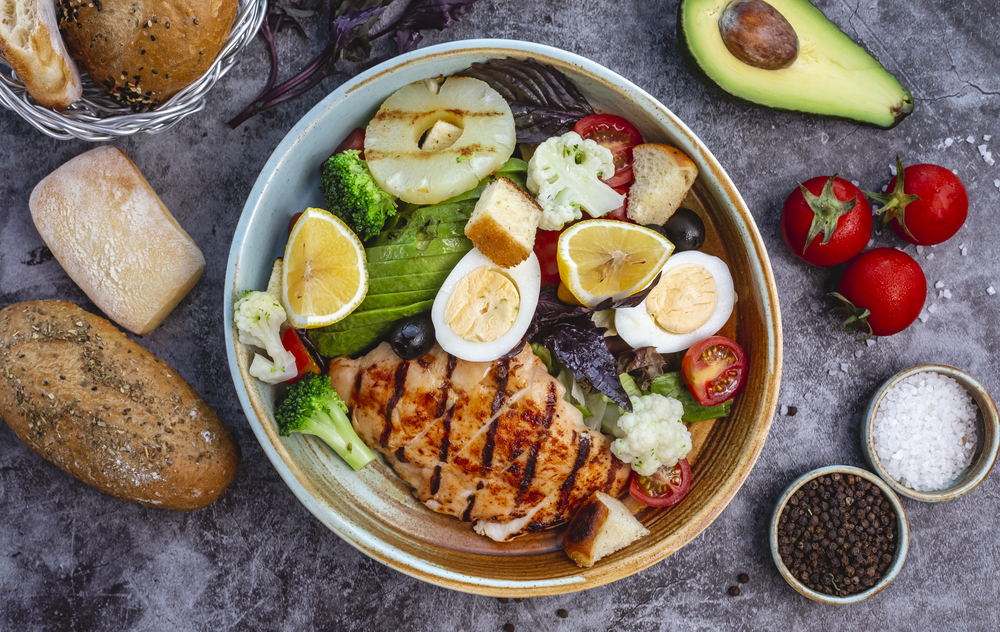
That said, this transition isn’t all power poses. Perimenopause can be very unpredictable and messy. One minute you’re fine, the next you’re crying into a salad while questioning everything. But what you eat can make all the difference. Instead of relying on detox culture, what actually helps is eating balanced meals. It doesn't sound very **** but it is effective. Menopausal women do not need a cleanse, they need real food to launch them to their next era.
When food isn't enough
Sometimes eating right and doing everything according to health experts is not enough. Often this is because there are complex medical conditions that affect the functionality of our hormones. There are a myriad of conditions which affect our hormones such as thyroid issues, PCOS, PMMD, adrenal dysfunction and endometriosis.
These conditions affect the lives of women in ways that often lead to isolation and misunderstandings. Instead of constantly asking women to eat right only, we should encourage them to seek medical professionals to confirm their reproductive health. While eating well can help make things better it is not always; seeking medical help is.
Capitalism is Messing with your Hormones
While most of the chaos caused by hormones throughout our lives is mostly internal, part of it is actually external. Our hormones respond to the world around us. They respond to the chaos that is presented to us in our everyday lives. A significant part of our hormonal chaos is from hustle culture and other aspects of our lives that keep us destabilized. Being underpaid, overstimulated and overworked actually play a role in upsetting hormonal balance.
There is also the absurd nature of ‘wellness culture’ that sells hormone balancing powders to a market that is struggling to afford groceries and other basic needs. This is not the answer to hormonal balance and women’s health; it is part of the problem.
The reality is that rest and proper, affordable nutrition would work much better to resolve hormonal imbalance. Women’s health inadvertently asks us to question the systems and institutions in which we run our lives. Do they serve us or are they killing us softly?
Conclusion

Oftentimes women are pushed towards treating eating as punishment. Eating is meant to be a way to show love to our bodies. While food is not a cure-all solution to all the crazy things our hormones can take us through it is a means to soften the blow.
Eating the right things allows our hormones to thrive and vibe instead of raging out. If anything it is a fail safe to protect ourselves. Our hormones don’t always have to be in charge and feeding them right is the love language that gives us a bit of control.
