


The Economic and Environmental Impact of Technology Obsolescence: A Critical Examination
Let me tell you a two-sentence horror story: Your latest smartphone suddenly becomes incompatible with the latest software. To make matters worse, your laptop battery starts failing right after the manufacturer has stopped producing and selling it. Let's agree that this has happened to a lot of us. And yes, a classic one: your printer refuses new cartridges because a firmware patch just puts the older, compatible ones out of production. All of these are nothing but the consequence of technology obsolescence. If you pay attention, you will realize that these outcomes are nothing but a device, appliance, or gadget becoming obsolete simply because innovation has invented something new to replace it. This usually also happens well before their physical components give out.
Technology obsolescence is everywhere; the best example of it can be your smartphone currently lying in your pocket or on your study table. But this goes even deeper; we can include the applications that have stopped receiving updates, which contradict the model, so now both the smartphone and the application become obsolete. What we cannot see directly is the cost this cycle carries: billions of dollars go into unnecessary spending that comes with a truckload of discarded hardware, increasing the gap between who can afford it and who gets left behind.
What Technology Obsolescence Actually Means
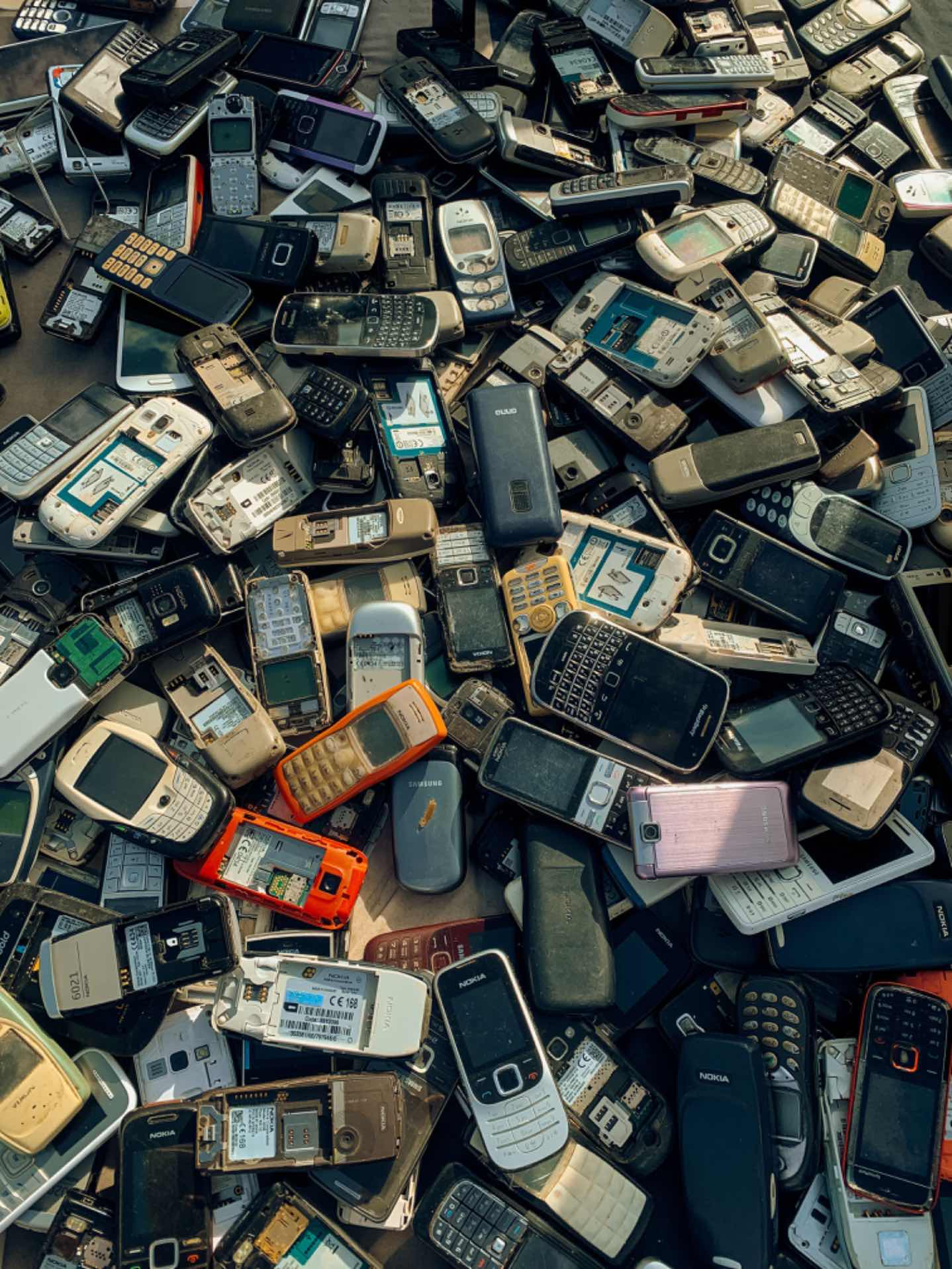
Image credit - Pexels
Technology obsolescence is a sudden occurrence of innovation that renders all devices, gadgets, and appliances out of date, even when they are fully functional and in good shape.
There are six main forms of technology obsolescence -
Functional obsolescence - This happens when a device physically stops working and cannot be repaired under affordable means.
Perceived obsolescence - This is a marketing-based perception driven by the understanding that a two-year-old phone looks or feels outdated, even when it performs its job satisfactorily.
Planned obsolescence - This is where the most debate and damage occurs. It's because this obsolescence is related to design choices, software updates that slow older hardware, and batteries that cannot be swapped out, parts locked to a single device, minimizing a product's usable life on purpose or as a side effect of business priorities.
Vendor-induced obsolescence - The vendors or manufacturers deliberately stop producing parts and updates that support a device; hence they indirectly force a replacement.
Regulatory or legal obsolescence - Laws and regulations that prohibit older versions and technologies and force compliance upgrades. This is a common technology obsolescence witnessed in automobiles. As many governments invalid cars that are more than a decade old even when they are in sturdy conditions.
Systematic obsolescence - Physical ports or hardware changes that make the older devices obsolete because of incompatibility,
This is a controversial take because it simply means that companies intentionally bring updates and changes to make their devices drop their performance, indirectly forcing their customers to buy a new model or invest in the latest tech. A glaring example of this can be picked from 2017, when Apple apologized for slowing older iPhones and stated that they did it to prolong the device's life.
A key thing to remember here is that none of these categories exist in isolation. Irrespective of the manufacturer’s intent, for any device that works perfectly when it becomes obsolete because of security patches and not receiving software updates, the result is the same: distress for the customer and eventual replacement.
The Economic Weight of Constant Replacement

Image Credit - Pexels
Ultimately, the financial burden of this cycle lands on businesses, people, and even on governments. Before we talk about the heavy burdens, let’s just look at this issue from the perspective of common people. Research from The Repair Association reports that American households could save an average of $330 annually by choosing to repair and avoid replacement.
Now, we have to do the simple math with a bit of common sense that this figure sums up across a household with multiple devices, which ultimately increases the total average savings. This clearly explains why the right-to-repair movement has gained so much momentum in recent times, with dozens of bills introduced.
When we talk about businesses, they feel the same pressure but on a much higher scale. Think about enterprise IT departments' budgets for hardware refresh cycles that are often driven less by performance needs and more by vendor support timelines.
In addition to the previous figures we discussed, according to the data published by the United Nations Institute for Training and Research (UNITAR) and the International Telecommunication Union, the value of raw materials contained in the e-waste generated in 2022 was approximately $91 billion, out of which only $19 billion was recovered through proper recycling. This is something a circular economy would never accept; it would rather focus towards opting better economical and environmental ways.
The Environmental Toll
As per the Global e-waste monitor in 2022, 62 million tonnes of e-waste generated a mix of valuable and hazardous materials. In contrast, only 22.3% of e-waste was formally recycled. Discarded electronics contain mercury, lead, and other substances that directly pose health risks.
The same report also indicates that from 2010, an 82% increase in e-waste was witnessed till 2024. This e-waste travels across countries via informal channels in parts of Asia and Africa. Since humans and technology have become mutually dependent, their problems also co-exist because of each other, as this e-waste is often burned or dismantled without any protective equipment. Hence, it exposes workers and local water supplies to toxic residue and leftover garbage.
E-waste alone is only one catalyst. Even when we discuss production, manufacturing new electronics itself is also resource-intensive. Every phone, laptop or gadget abandoned way before it can actually be replaced sparks the entire production footprint for its replacement. According to UNITAR, formal e-waste recycling in 2022 avoided approximately 93 million tonnes of CO2-equivalent emissions through recovered refrigerants and decreased metal mining.
Who Carries the Burden
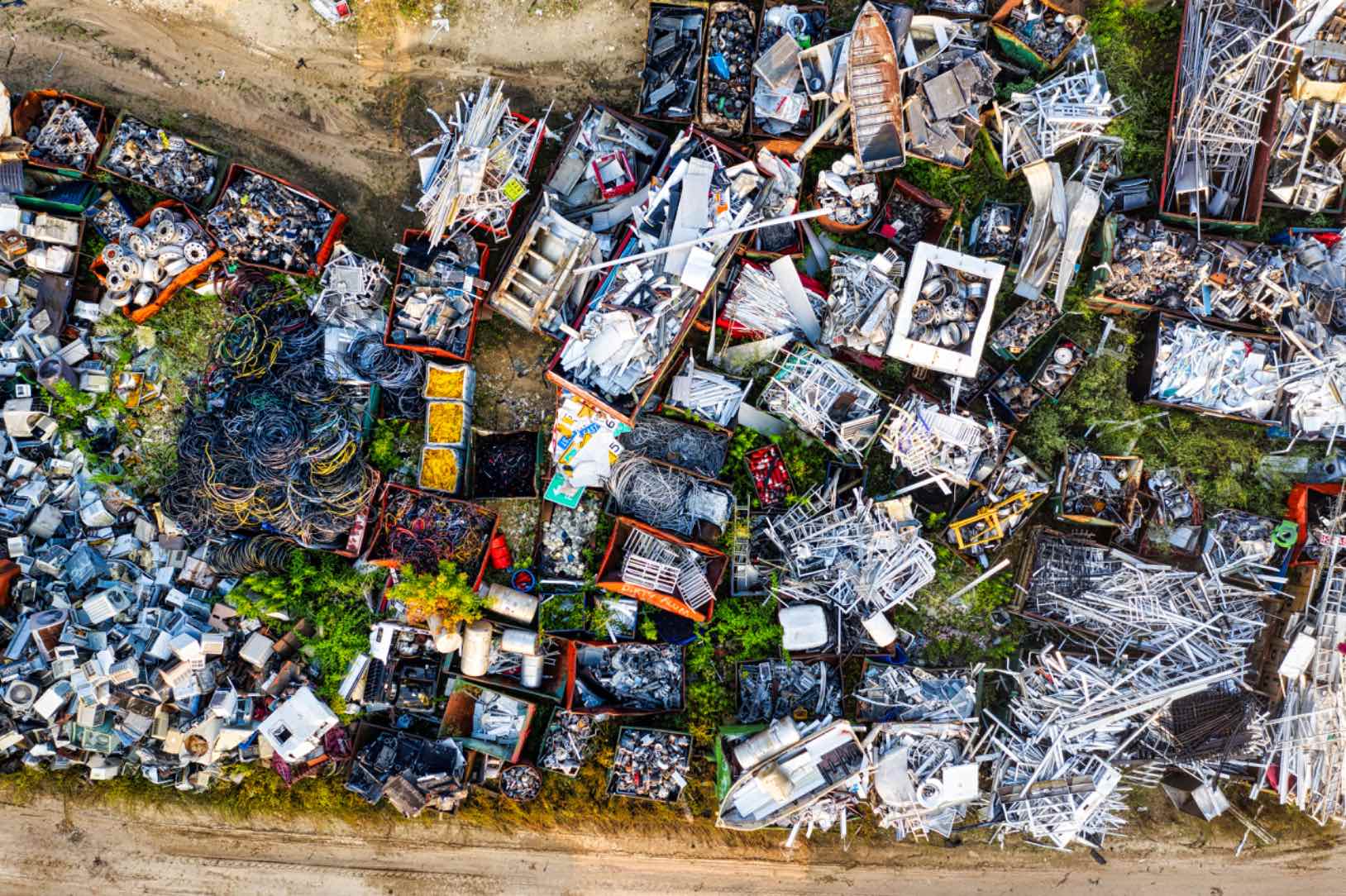
Image Credit - Pexels
It is common sense that lower-income households are more dependent on older or secondhand devices for work. They are also the ones who are reluctant to make a replacement. But at the same time, repair has its cost too. A 2022 Consumer Reports survey found that more than half of the US population has replaced a broken product because they could not find an affordable repair option.
Communities near informal e-waste processing sites, especially in the lower-income regions of Asia and Africa, are the ones who bear the environmental and health consequences compared to others.
What Is Actually Changing
A lot is happening on different levels. Especially when we talk about the right-to-repair movement, it has become a mainstream policy; many states like California, Colorado, Minnesota, Oregon, and Washington have passed comprehensive repair laws, and many other bills are active across the country. As per these laws, manufacturers must provide the parts, tools, and documentation that independent repair shops and consumers require to repair devices.
On the corporate side, many manufacturers have started offering longer software support timelines with modular repair programs. This happened because of regulatory pressure and, due to refurbished and repaired-device markets that have genuinely become profitable segments. Conversely, on the consumer side, purchasing refurbished hardware, choosing repair over replacement, and going for manufacturers with longer support commitments are small individual choices that make all the difference.
A More Deliberate Relationship With Technology
Technology obsolescence will always be a problem; that’s the harsh truth. The only thing we can do is maintain and regulate its percentage in the environment and in our lifestyle. People need to look beyond their immediate technological needs. The real question is whether replacement is happening because a device is truly beyond saving, or because a marketing cycle, design decision, or a software update made it happen. If the answer is the latter, then it is a serious problem. Extending a device's working life by even a year or two, through repair or resale, is one of the many accessible ways to fight technology obsolescence.
