


Growing up, my relatives would often taunt my cousin brother, “Why are you crying like a girl?” And when I excelled in sports, they said, “Oh! She plays like a boy.” Even as a kid, this left me confused. Why was I being compared to a boy for playing well? And why was my brother being compared to a girl for crying? Crying and playing had nothing to do with gender. They were simply human expressions.
But this confusion is exactly how society draws its lines. Wide, rigid lines that divide women and men into labelled boxes of hypocritical expectations. These boxes come with instructions. Be strong. Be quiet. Be tough. Be nurturing. Step outside them, and you are corrected, mocked, or shamed.
For generations, we have followed these expectations without question. We have inherited them, normalised them, and passed them on, even subconsciously, often. This is not a new realisation. Conversations around gender have existed for decades.
Though this piece is about the grave consequences of stereotyped gender roles. It explores the uncomfortable truth that rigid gender roles don’t empower us. They exhaust us. And in doing so, they harm both strong women and silent men.

The Myth We Grew Up With
There are numerous toxic ideas reinforced in our homes, classrooms, workplaces, and popular culture, until they stop feeling like rules and start feeling like truth. That’s how one is conditioned since childhood. Women learn that their worth lies in how much they can carry without breaking. Men learn that their worth lies in how little they reveal while carrying it.
This conditioning doesn’t just shape behaviour, it shapes identity. Women who ask for rest are labelled weak or ungrateful. Men who ask for help are seen as incapable or less masculine. So both adapt.
“Be Strong” Meant Two Very Different Things
Have you ever noticed how strength is taught to men and women differently? If you are a woman, strength often means endurance. It means taking on caregiving roles, not complaining or expecting, adjusting without resistance, and holding emotional spaces together quietly. Women are praised for being nurturing, selfless, and resilient, especially when it costs them something.
Meanwhile, men are taught that strength is suppression. Society expects them to be tough, stoic, and controlled. That is why a man choosing caregiving roles is mocked or questioned, and a boy showing vulnerability is told to “man up.” Even ambition comes with boundaries because men are celebrated for physical strength and academic or technical success, yet often looked down upon if they choose subjects related to arts, emotional labour, or anything considered “soft.”
When Strength Becomes a Survival Skill for Women
For women, strength becomes visible only when it is forged in pain. Rarely is it asked whether she wanted to be strong in the first place.
The Praise That Often Comes Too Late
From a young age, many of us are taught to step in and hold things together. To care, adjust, and emotionally manage households and relationships. This emotional labour is rarely named, yet it is constantly expected. I have seen women in my own family become the emotional anchors for everyone else, tolerating conflicts and maintaining silence in the name of dignity. Their endurance is praised, but their exhaustion is ignored.
Over time, strength stops being a choice and turns into a duty. A woman who copes quietly is admired. A woman who struggles openly is questioned. In this way, resilience is hailed, but vulnerability is condemned. So, asking for rights and fighting for generational inequity becomes condemnable.
The Cost of Always Being “The Strong One”
Living up to this idea of strength comes at a cost. Burnout becomes normal. Women feel guilty for resting, saying no, or needing help. And basic human considerations disappear amidst absurd, ‘normal’ expectations.
I have often felt that women feel they need to earn validation. That is the reason they need to justify themselves for being tired or overwhelmed. When we express hurt and complaints, we’re labelled as dramatic or overly sensitive, while staying silent is seen as maturity. Women are allowed to be strong or emotional, but rarely both. And when strength becomes the only acceptable identity, it slowly erases the need to be cared for.
The Silence We Demand from Men
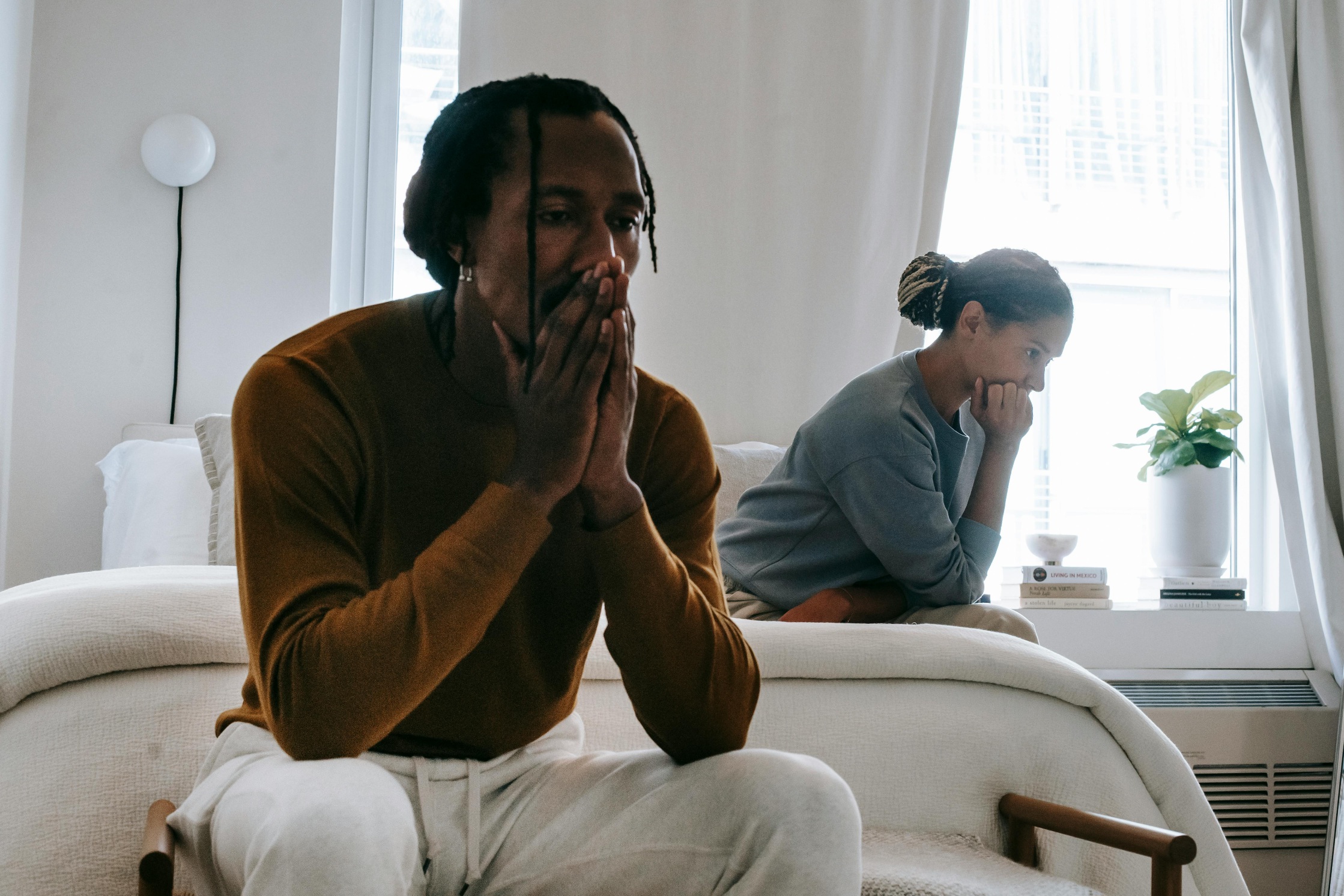
Since childhood, society has conditioned boys on which emotions are acceptable and which ones are not. “Don’t cry.” “Man up.” “Be strong.” These phrases are often said casually, sometimes even with good intentions. But subconsciously, it is the same patriarchal set-up being imposed. While boys grow up to become men, this vulnerability is something they ‘must’ outgrow.
How Boys Learn to Swallow Their Feelings Early
Instead of learning how to process fear, sadness, or confusion, boys are taught to control them. But when crying is termed weak, anger is termed manly. And these are pure double standards. Emotional restraint is praised as discipline, but abusing women becomes normal. Being a provider is positioned as the ultimate marker of worth, leaving little room for emotional expression beyond anger or confidence.
This leads to a permanent change. Boys who were once expressive slowly learn to withdraw. They stop naming their feelings and start managing them privately, believing that asking for support is a sign of failure rather than trust. And this shows up in the form of toxic anger.
When Silence Turns Into Loneliness
When boys grow into men without the language to express vulnerability, relationships become harder to navigate. Asking for help feels unfamiliar and even threatens their masculinity and society considers silence as the absence of pain.
But this pain shows up in heavy ways. It shows up as loneliness, irritability, emotional unavailability, or a sense of disconnection, even from people they care about deeply. Mental health conversations often miss this nuance. Men are not silent because they don’t feel. They are silent because they were taught that feeling openly was not masculine.
How These Roles Collide in Relationships
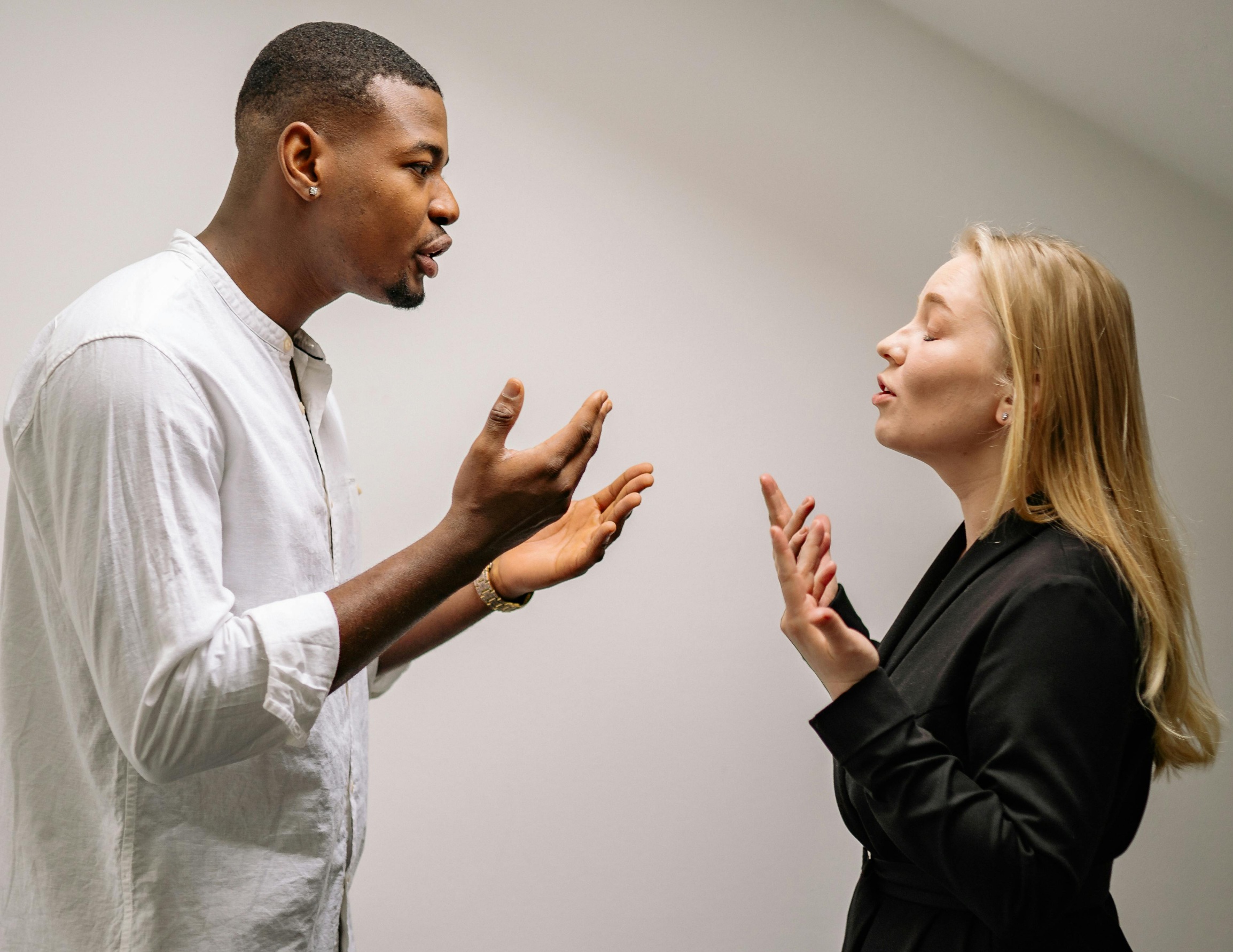
When these two forms of conditioning meet, relationships carry a quiet imbalance. Women take on the emotional weight because they are trained to endure and nurture. They listen, reassure, remember, and repair. They sense shifts in mood, manage conflict, and keep connections alive, even when they are tired.
Men, taught to suppress rather than express, often withdraw. This isn’t because they don’t care, but because they were never taught how to show care in emotionally healthy ways. When conversations turn vulnerable, they are either silent or angry.
Over time, this creates frustration on both sides. Women feel unseen despite giving so much. Men feel overwhelmed by emotional expectations they were never prepared for. What looks like emotional absence is often emotional untraining.
The Flawed Concept of ‘True Love’
We see love being heavily dramatized in most mainstream movies and books. But love is not a test of endurance or restraint. If love expects a woman to feel she must always be strong and a man to feel he must always be composed, intimacy becomes conditional. Due to conditioned stereotypes, partners rarely have an open conversation about needs and boundaries. And if you think pretension and lack of healthy communication will be automatically sensed by your partner, then you are wrong.
A relationship should have a space where softness is allowed, conversations are real, confusion can be voiced, and care flows in both directions. So, what many relationships need is not more effort, but less performance. Less pressure to be strong or silent, and more room to be human.

This Is Not a Gender War
Society always finds it easier to blame individuals than to question the systems that shaped them. So, when conversations around gender become “men versus women,” we miss the larger structure at work. We must understand that patriarchal norms harm people differently, but they harm everyone.
The System Benefits From Keeping Us Divided
Women are expected to adapt and carry more. Men are expected to not express vulnerability and ask for help. And this is how, both are punished when they step outside these roles. This keeps people defending themselves instead of questioning why these expectations exist at all.
As long as the issue is framed as a gender conflict, the system will stay untouched. Because the problem is not women being too emotional or men being too distant. It's rather the rigid roles imposed on both. The harm lies in expectations, and not people directly.
Unlearning Is Not Weakness
Unlearning toxic roles takes courage. Women should choose rest and softness without guilt. Men should express emotions and seek support without shame. Because, strength does not disappear with vulnerability. It rather makes one more honest.
Letting go of these roles is not about losing who we are. But it's about reclaiming the freedom to feel, speak, and connect without performing strength or silence.
Let Women Rest and Men Express
We, as a generation, must heal. By normalizing women to rest and men to express, we can be free from the grips of toxic expectations. We must normalise women choosing to stand up for their needs without apology and men expressing themselves without fear. Showing your emotions is a form of courage, not weakness.
Strength isn’t about hiding feelings; it’s about choosing how to act on them. And that can mean stepping back, speaking up, or handling anger with awareness. People, irrespective of gender, must learn to rest, express, and be honest. That is how connection and healing can replace isolation and shame.

Conclusion: Strength Is Shared, Not Gendered
As individuals we must understand that strength is not about who can endure more or who stays silent longer. People need to show up honestly, without pretension, because resting when needed and expressing emotions without fear are normal. When women can speak up and men can be vulnerable, only then relationships, families, and communities will become healthier.
