



Source: Unsplash
Alt Text: Woman speaking up in a workplace meeting, representing psychological safety at work
Introduction
The moment you've got a good point in a meeting, and instead of just saying it, you run it through your head two or three times first. Softening the wording, checking your tone. Then someone else says almost the exact same thing, five minutes later, a little flatter, a little more confident, and the room reacts like it's the first time anyone's heard it.
If that's ever happened to you, you already know what psychological safety at work feels like when it's missing. You just didn't have a name for it when it happened.
What Psychological Safety at Work Actually Means
Harvard's Amy Edmondson mentioned the concept back in 1999. Her definition, boiled down, is a team where nobody gets embarrassed, ignored, or punished for speaking up. Sounds obvious, but it's rarer than most workplaces like to admit.
People misread this idea; Edmondson herself has pushed back on the assumption that psychological safety means lowering the bar or being endlessly agreeable; it doesn't. The safest teams psychologically catch more mistakes because members feel comfortable speaking up, rather than staying silent.
Google stumbled onto the same finding almost by accident. Its well-known Project Aristotle research went looking for what separated its best internal teams from the rest. The answer wasn't intelligence or budget but whether people felt safe enough to take a risk in front of each other.
The Gender Gap Inside “Feeling Safe to Speak Up”
Getting Talked Over, Then Talked Down To
Start with the numbers LeanIn.Org and McKinsey's Women in the Workplace research have tracked this for over a decade now, and one pattern shows up year after year: women get interrupted more, second-guessed more on their own expertise, and are more likely to watch someone else get credit for their idea. In the most recent surveys, close to four in ten women said they'd been spoken over more than their peers. A similar share said their judgment had been openly questioned in an area where they're the actual expert. Women of color and women with disabilities report all of this at even higher rates, and the gap didn't shrink in the newest data; it grew.
Here's what that looks like in practice, not in a chart. A woman flags a concern, and the room goes quiet. A man rephrases the same concern ten minutes later, and suddenly it's a great point. Nobody in that meeting thinks they did anything wrong; this is what makes it hard to fix.

Source: Pexels
Alt Text: Woman working thoughtfully alone at her desk, hesitating before speaking up
The Assertiveness Trap
There's a reason a lot of women learn to soften their delivery before they've even opened their mouths, and it isn't timidity. Yale psychologist Victoria Brescoll has studied this for years, and later research from Joseph Grenny and David Maxfield, drawing on more than 11,000 participants, found something specific: when women communicate with the same directness as men, their perceived competence drops, and so does their perceived deserved pay. Equally direct men in the same studies often came out ahead instead of behind.
So women get boxed in from both sides: speak up plainly and risk being seen as difficult, or stay quiet and risk being passed over. Researchers have a name for it, the double bind, but you don't really need the term to recognize the trap once someone's pointed it out.
Why This Is a Career Issue, Not Just a Culture Issue
It would be easy to write this off as workplace mood, the soft stuff HR mentions in a slide deck nobody remembers by Friday, but it isn't soft. Whoever gets heard is the one who gets remembered when a promotion opens up, because credit sticks to names, not to ideas floating around unclaimed in a meeting room. The most recent Women in the Workplace data still shows women in leadership are more likely than men to say a colleague took credit for their work. The broken rung hasn't gone away either. For every 100 men promoted into their first management role, fewer than 100 women get the same shot, and the number drops further for women of color.
Then there's the quieter cost: women who deal with these patterns regularly report more burnout and more disengagement, and plenty are leaving jobs over it, not because their ambition faded, but because staying started to cost more than it was worth. None of that shows up on a performance review. It shows up in who's left in the room a year later.
What Psychological Safety at Work Should Look Like for Women
Edmondson has made one point that's easy to miss: psychological safety isn't a company-wide setting you flip on. It's built team by team, usually shaped by whoever happens to be running the room. Which is actually useful, because it means nobody has to wait around for a culture-wide overhaul before things get better.
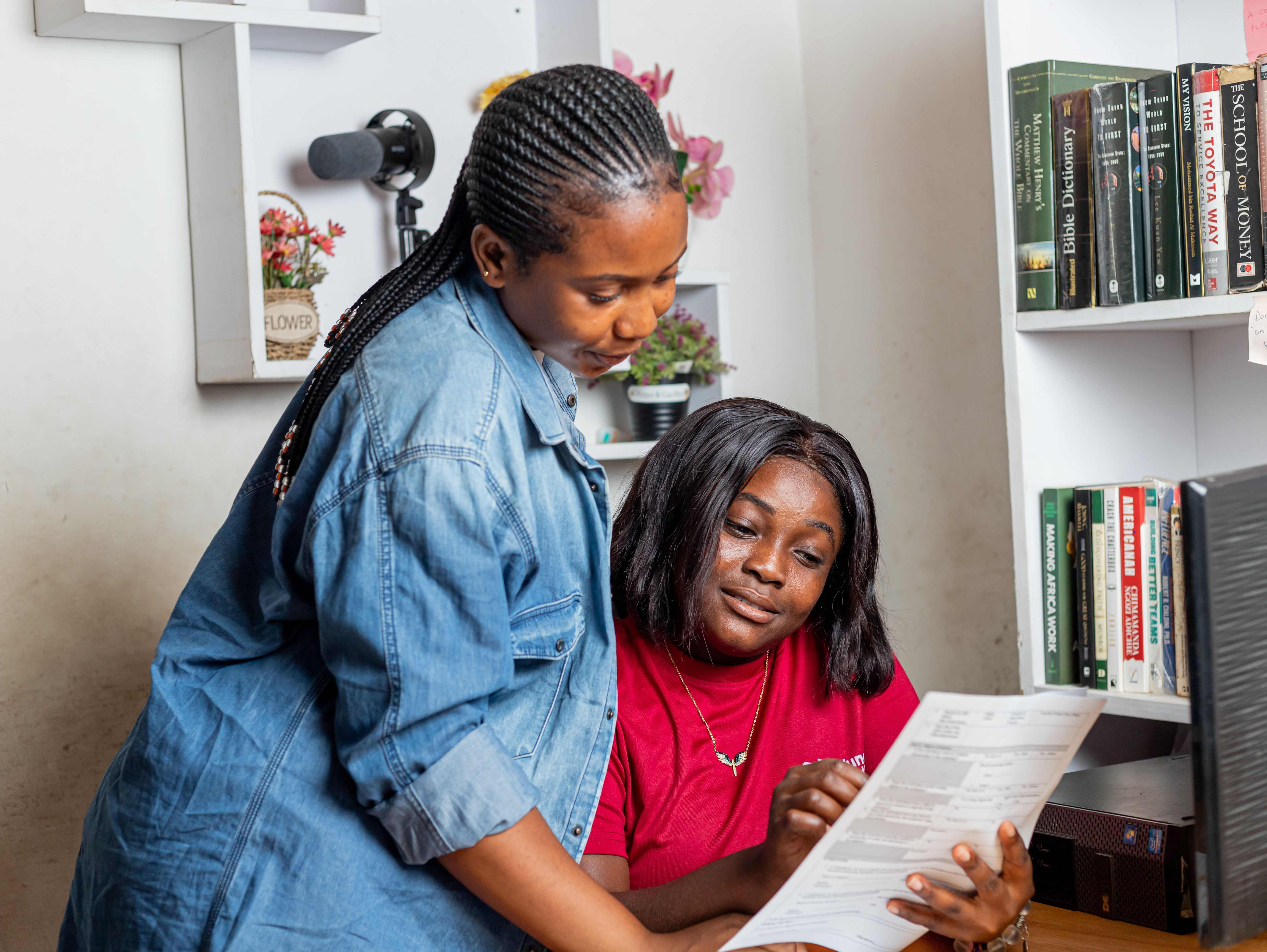
Source: Pexels
Alt: Two women in a supportive mentoring conversation at work
Managers who get this right tend to do a few unglamorous things consistently. They say who came up with an idea out loud, while it's still fresh, instead of letting the room quietly forget it by the next meeting. They pay attention to who's being interrupted and pull the conversation back to her. They separate tone from substance in feedback, so a woman isn't quietly dinged for being “too direct” while a man gets called decisive for saying the exact same sentence.
These everyday actions are practical ways to support women in the workplace and create an environment where everyone feels safe to contribute.
For anyone stuck in a workplace that hasn't figured any of this out yet, there's a smaller trick worth knowing. Framing a blunt point with a short line first, something that signals you've thought it through and you're choosing directness on purpose, has been shown in the research to meaningfully cut the backlash without forcing you to water down what you're actually trying to say.
Conclusion
Psychological safety was never supposed to split along gender lines. It was supposed to be about performance, plain and simple, about whether a good idea survives long enough to matter. But as long as speaking up costs women more than it costs men, calling it gender-neutral just protects whatever's already broken. Naming the gap is the easy part. Closing it means paying attention to who gets interrupted, who gets credited, and who's quietly decided it isn't worth saying anything at all.
