


Menopause is one of the most universal experiences of womanhood. It is a transformational phase where a woman faces not only the permanent end of menstruation but also goes through a hundred other symptoms and consequences. Still, it is one of the least honestly discussed events of womanhood.
In the 21st century, which prides itself on progress, technology, and empowerment, menopause still lives in the shadows, wrapped in discomfort, jokes, and quiet endurance. It is treated as a private inconvenience or a medical problem to be managed by women and rarely as a significant life transition that deserves attention, care, and respect. This article aims to bring that discussion to the table.
Understanding Menopause
Menopause is a biological event that marks the permanent end of menstruation. It also marks the end of a woman's reproductive cycle and the transition into old age. It is a necessary process that ensures women's health in their old age and is not a disease but a normal function of the female body. It is accompanied by extreme hormonal changes that affect most dimensions of a woman's life. So, there needs to be proper awareness and care related to it to help women truly heal and prepare for the upcoming phase of life.
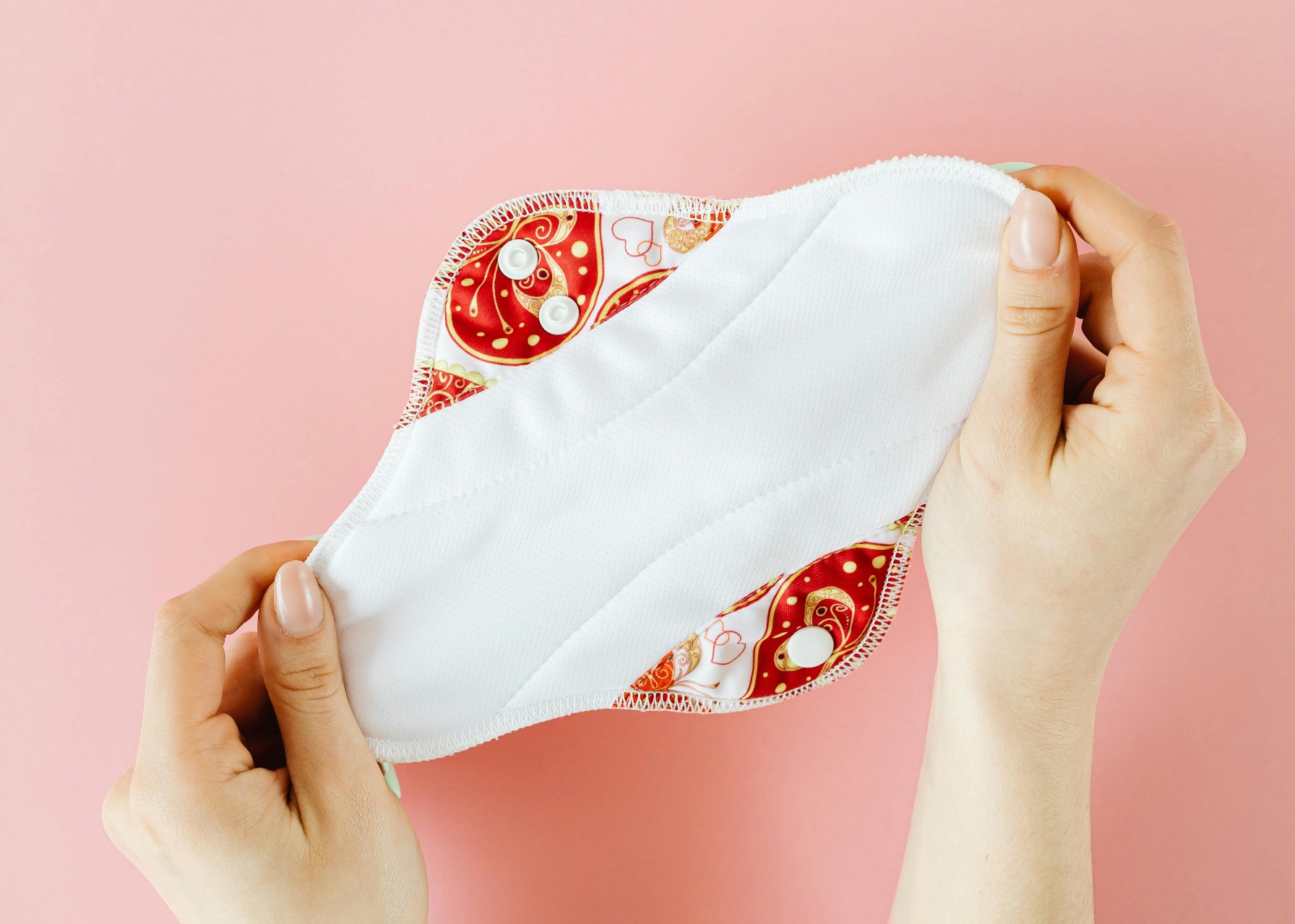
The Silence Around Menopause
There has always been a trail of stereotypes and taboos regarding women's health, especially menstrual health. Females face menstrual issues across age groups and shame, whether it is about their first period or their last one. There is still so much awareness, information, and open-mindedness needed. This is most required among older women who have faced a more patriarchal society than we have today.
Menopause Isn't a Taboo, but a Transition
It is crucial to know that menopause is a biological process and an extremely important transition in a woman's life. Yet, many people are barely aware of it. Unlike puberty or pregnancy, it is rarely discussed with honesty or care. Instead, it is wrapped in discomfort, humour, or silence. This lack of conversation turns menopause into a private burden rather than a shared experience, leaving many women unprepared and isolated as their bodies change.
Why It Is Important to Discuss the Causes of Menopause
Silence around menopause affects women and their loved ones at various levels. When women don't speak up about their emotions, physical changes, and stress, it leads to confusion. Without an open dialogue, symptoms regarding menopause are misunderstood, dismissed, or endured without support. Emotional and mental health changes often go unnamed, deepening self-doubt. Over time, this silence reinforces harmful ideas about ageing and self-worth, shaping how women experience not just menopause but also their identity beyond it.
Ageing, Identity, and the Modern Woman
Women's bodies are a complex work of art that brings life into the world. Yet, the discussions regarding it are always stereotyped, misinformed, and vague. This is due to the lack of understanding and respect for women in a patriarchal society. There must be more discussions about these issues, as they shape a woman's identity and insecurities at various levels.
The Fear of Ageing
For ages, a woman's beauty has been stereotyped. From a young age, their value is tied to youth, productivity, and appearance, which makes ageing look like an unfortunate event in life. This conditioning is so toxic that it makes menopause feel like a loss rather than a transition into old age. The fear is not just about physical change but about becoming invisible in a society that rewards youth and sidelines older women. Menopause often marks this shift, intensifying anxiety around relevance, desirability, and self-worth.
Impact of Menopause on Emotional and Mental Health
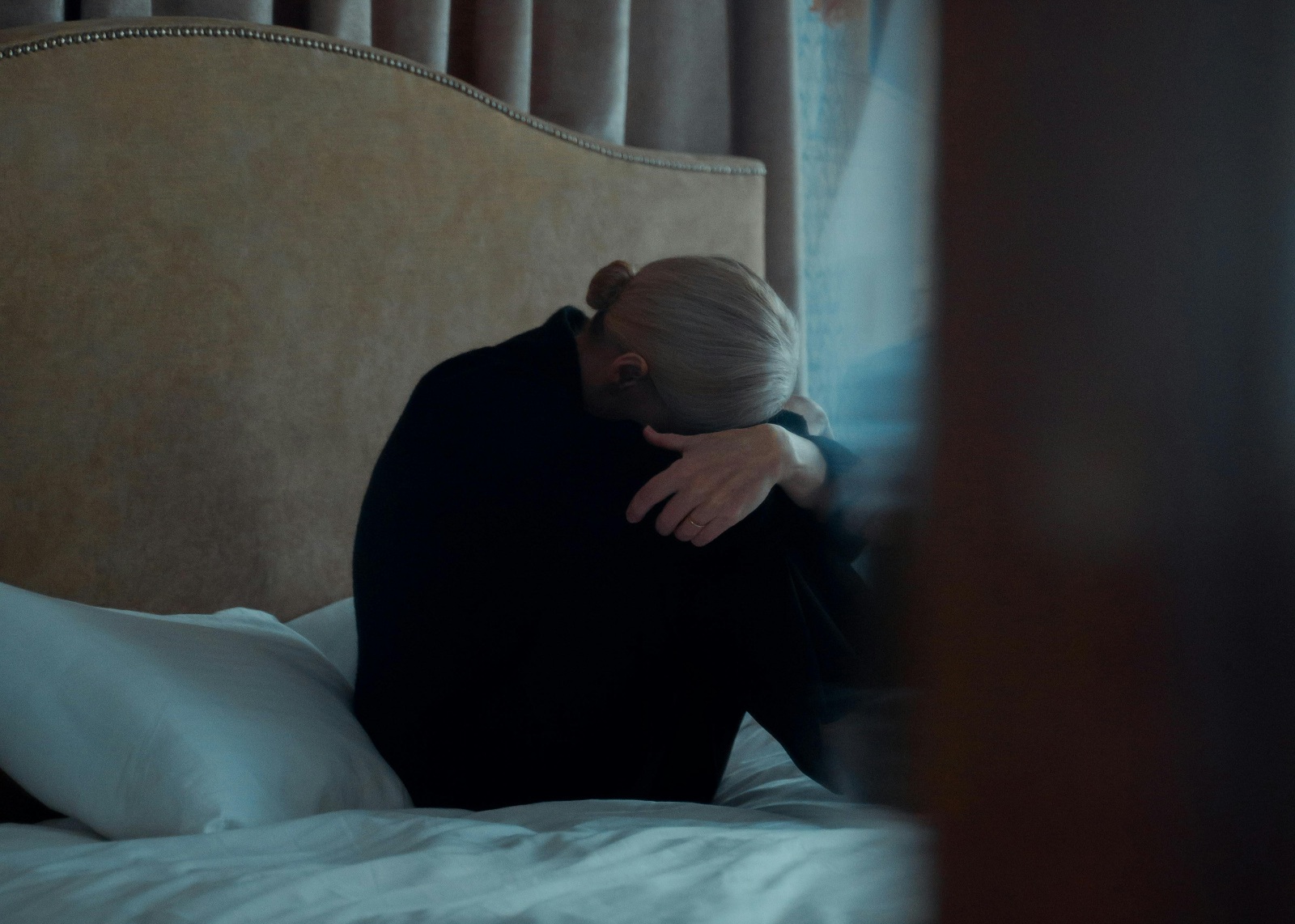
Menopause doesn't just affect the body; it releases hormones, changes the functions of organs, and messes with the mind. Hormonal changes can influence mood, sleep, memory, and emotional regulation, and often at a time when women carry heavy personal and professional responsibilities.
Anxiety, mood swings, panic attacks, and emotional exhaustion are common, yet frequently overlooked or mislabelled. When mental health impacts are ignored, women are left questioning themselves rather than the lack of awareness and support around them, deepening isolation and distress.
Medicine, Misinformation, and Missed Care
To battle the silence around menstruation, both scientific knowledge and care-building are needed. Care can be brought with proper awareness and sensitisation, while scientific knowledge can boost healing. These together are essential to shape important plans and interventions required to handle menstrual health issues, including menopause.
What Healthcare Gets Right and Wrong
Medicine has evolved significantly over the decades, and modern medicine has made important strides in recognising menopause. Women can opt for treatment options, like hormone therapy and symptom management. But this again depends on the fact of whether women have access to these treatments and awareness about them. Many women still encounter dismissal, rushed consultations, or conflicting advice; others can barely afford expensive hospital bills, and some are simply dismissed. When care lacks understanding and accessibility, women are left navigating confusion instead of clarity.
The Limits of a Purely Medical Approach
Medical treatment alone cannot address everything menopause brings. There should be a focus not only on hormones but also on the social, emotional, and psychological dimensions of this transition. Menopause comes with lifestyle pressures, mental health issues, and identity crises, and these are rarely part of the conversation. These issues must be looked at from a holistic point of view; only then can true support be ensured. Without the holistic view, care remains fragmented, placing responsibility back on women to cope individually rather than offering collective, compassionate support.

Rewriting Menopause in the 21st Century
It is high time we rewrite norms, hold conversations, and break the barriers between women's health and accessibility. Let's view menstrual health issues with an inclusive and wholesome point of view rather than putting symptoms, pain, ideas, and policies into boxes. This is the only way we can ensure women's dignity and respect.
Menopause as a Social and Structural Issue
Menopause does not occur in isolation. It unfolds within workplaces, families, and healthcare systems that are rarely designed to acknowledge it. When symptoms are treated as personal inconveniences rather than shared realities, women are expected to adapt silently. So recognising menopause as a social and structural issue helps to shift the responsibility outward, calling for supportive policies, informed healthcare, and environments that respect women across all stages of life.
A Step Toward Dignity, Visibility, and Support
Rewriting menopause begins with visibility that is brought by open conversations, better education, and compassionate care. These can replace shame with understanding. Support should extend beyond clinics into workplaces and communities, allowing women to move through this transition without fear or apology. Menopause is not an end, but a continuation of life that deserves dignity, respect, and care in a century that claims to value well-being and equity.
Conclusion
Menopause should no longer be carried in silence but understood and discussed. Understanding it requires more than medical awareness; it demands cultural change, empathy, and collective responsibility. When we talk openly, listen without dismissal, and design systems that support women through this transition, menopause becomes less isolating and more humane. The 21st century has the knowledge and resources to do better for this. What it needs now is the willingness to acknowledge, support, and respect women as they age, without shame or invisibility.
