


Understanding Female Friendships
Ever caught yourself wondering what Feminist Friendships are all about? Are there many different meanings, practices and beliefs about it? Well, for a lot of people, including myself, I believe that Feminist Friendships are built and discovered by women who experienced oppression, discrimination and lack of justice, the friendship that keeps you warm, giving the act of love in comfort and strength, giving the act of love in challenging patriarchal structures. This kind of friendship does not hide you from societal issues because this friendship stands by you as you fight for justice and protect what you deserve as a woman living in the 20th century.
Feminist Friendships are far from the cultural narrative that women are competitive, insecure and distrustful of one another, a stereotypical way of pinning women against each other. This friendship prioritizes empathy, collaboration and shared growth. They keep their eyes, ears and mind open in the reality that women’s struggles are not just some coincidental and random incidents but a part of a broader social pattern that was shaped by gender limitations and expectations.
This friendship works with intentionality, friends who notice your doubts through your eyes and check in without being instructed to do so, they speak with honesty yet can still be compassionate, and they think a hundred or a thousand times before taking any action. This is what you call intentionality because feminist friendships invite deep interactions, they value real conversations, they practice real listening, and their goal is real transformations.
What is Emotional Labor?
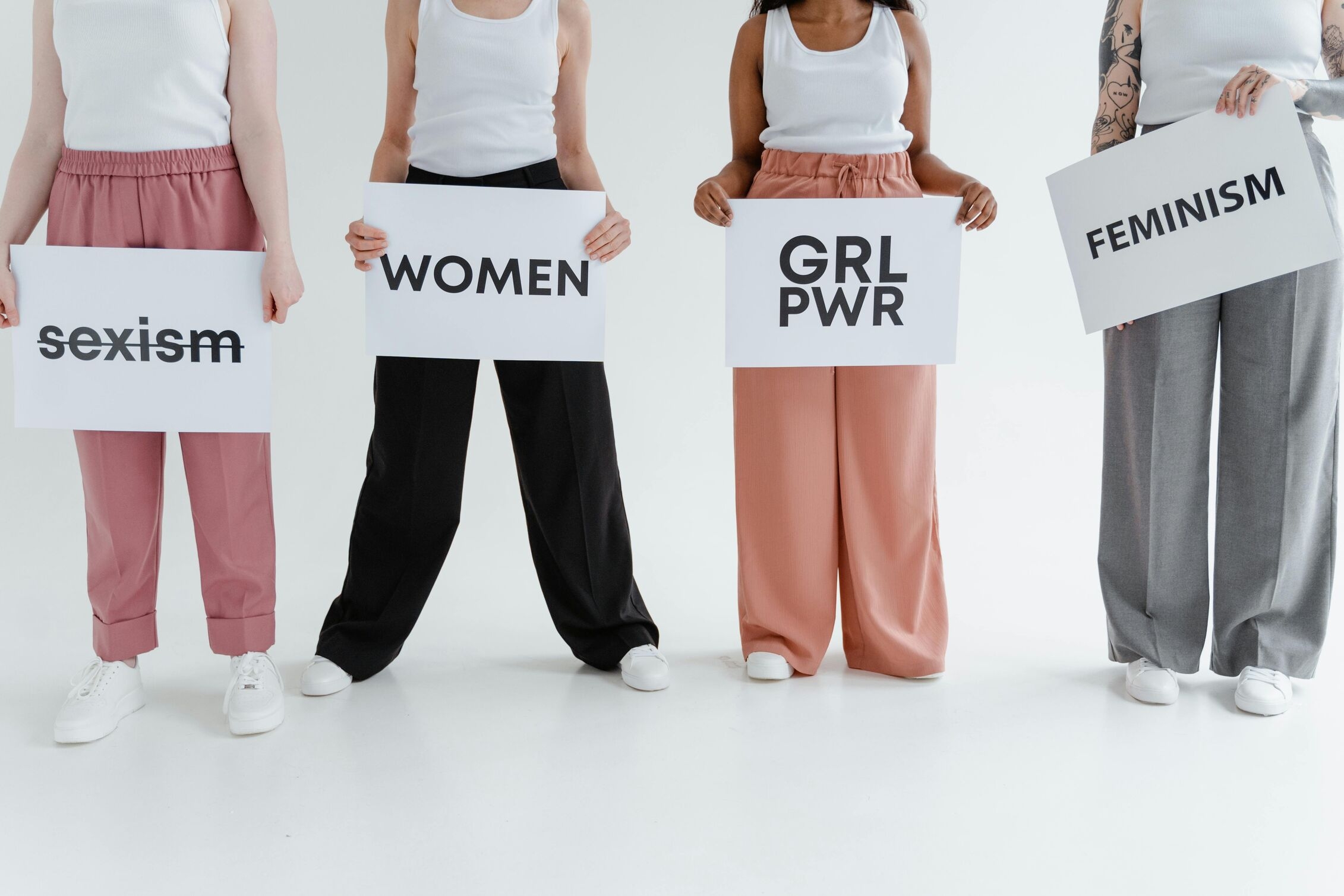
Have you ever heard of emotional labor? Are you aware that it became the invisible backbone of women’s connections? Emotional Labor has become a widely used term which was discovered when realized that women have always been unrecognized and undervalued because societal standards think that being the “emotional gender” comes naturally and should be practiced without any recognition.
Emotional Labor is when you see your friend in distress and you immediately comfort them, it is when you see people having conflicts and you become the mediator, it is when you became a mom and suddenly every vacation, birthday party, holidays, celebrations, and important events that you see yourself anticipating everyone’s needs, it is when your daily life includes different questions in your head such as “What should I cook for my husband and children?” “Did I forget something in the grocery store?” “Did I pack the right clothes and necessities for my family?” “Oh my, it’s raining! Thankfully, I brought the umbrella, my kids will get sick, I need to give them medicine, and I have to cook soup when we get home.” “My kids are fighting, my husband is upset because of work, I also have problems with my boss, but I need to comfort my husband and attend to my children’s needs first.”
These are just some of the everyday things that women should attend since society always says “Women are just better at this stuff” yet we are unrecognized, undervalued, and expected to perform this labor instinctively, labelling it as a part of women’s nature, when in reality it should be a shared responsibility and commitment between both gender rather than being an unbalanced expectation.
Emotional Labor: The Invisible Backbone of Feminist Friendships
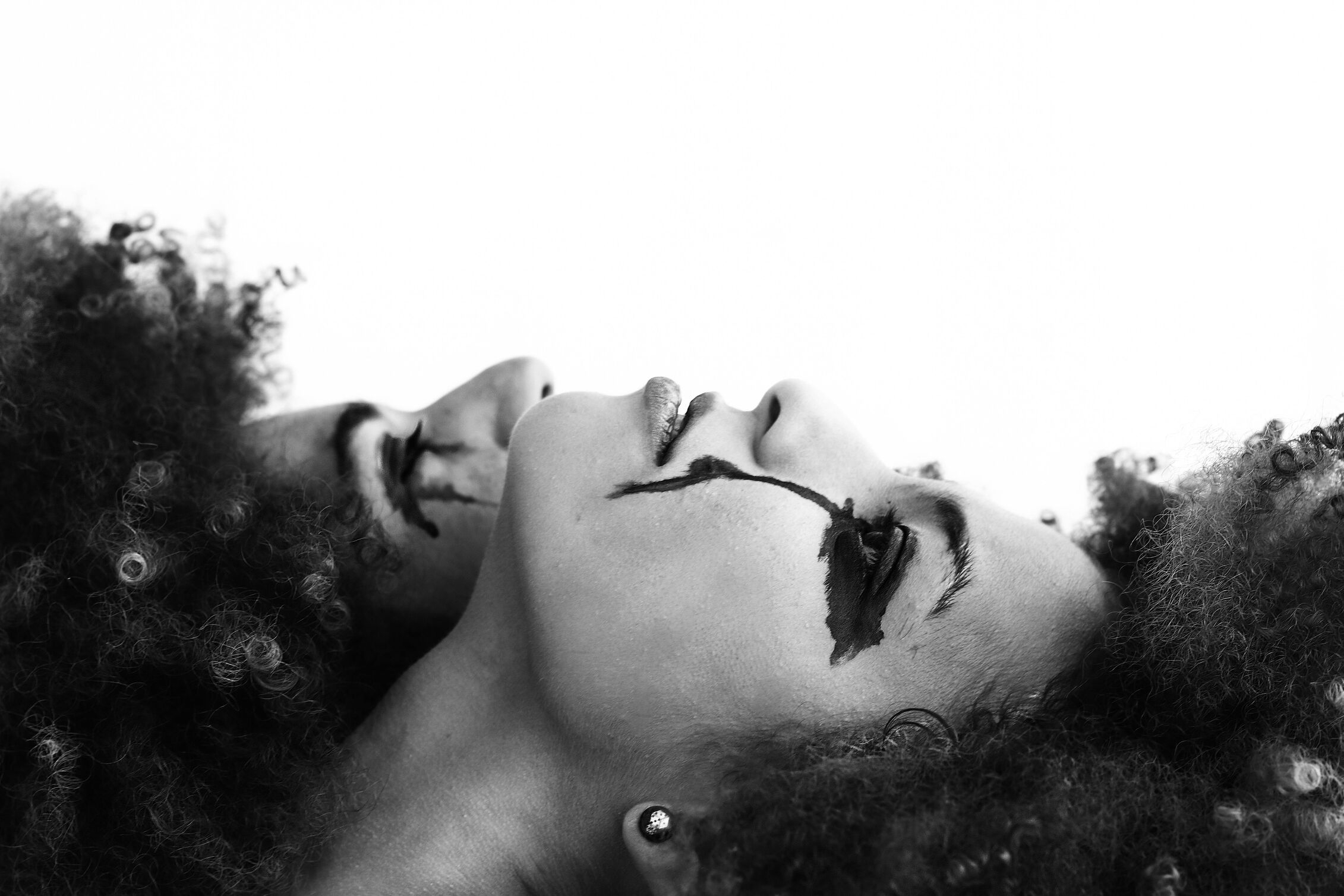
When women come together and make a collective act to recognize that they are experiencing burnout, discrimination, oppression, or any societal pressure, they begin to affirm that their emotions are worthy of attention and that all their struggles as the “emotional gender” need to be recognized and valued. Their emotional labor becomes the invisible backbone of feminist friendships because it is the root of acts of feminist consciousness. They acknowledge that emotional work has always been work and that friendships grounded and formed through mutual understanding and support are revolutionary.
Mutual Aid Within Friendships
Support among women has always been revolutionary. Historically, women have fought their way for voting rights, reproductive health, access to education, labor protections, etc. They continue this lineage by creating pockets of resistance in everyday life.
In today’s feminist friendships, support takes many forms. These are acts such as being physically, emotionally and mentally present when problems, doubts, uncertainty arises, helping a co-worker with their presentation, giving menstrual pads to a stranger in a public restroom, lending a hand to support a mother reaching out to a shelf in the grocery store while carrying her child, helping a divorced woman on how she can have a stable job while also supporting her children’s education or it may be helping a woman in her 30’s or 40’s to navigate a career transition. It may also involve deep conversations about their experiences with sexism, moments of comfort after a difficult encounter or a simple yet meaningful act of the quiet reassurance that you are not alone.
The Mutual Aid within this friendship creates safe spaces where women can process the reality of the world without having to filter themselves to seem palatable. Over time, these actions may be small or big, they transform into something beautiful, and that is a steady foundation of trust and safety.
Radical Sisterhood: Not a Clout
Radical Sisterhood is not just a clout or a phase that will no longer be relevant in the upcoming years and generations. It is a reminder and a movement that reflects an understanding that solidarity among women is an important act to challenge the system of oppression. Radical Sisterhood is an experience of being fully seen. Many women are programmed to hide parts of themselves and pressured to be someone that is a stranger to themselves to fit the gender expectations that were set before.
Creating a space where imperfections are understood, where emotions are not liabilities, and where being the total opposite of what is expected is celebrated rather than criticized. To be seen fully is to be accepted without shrinking. It is to be acknowledged not just as a friend but as a whole person navigating an often exhausting world. Feminist friendships offer this rare sense of emotional visibility.
The Revolution Begins in Our Relationships
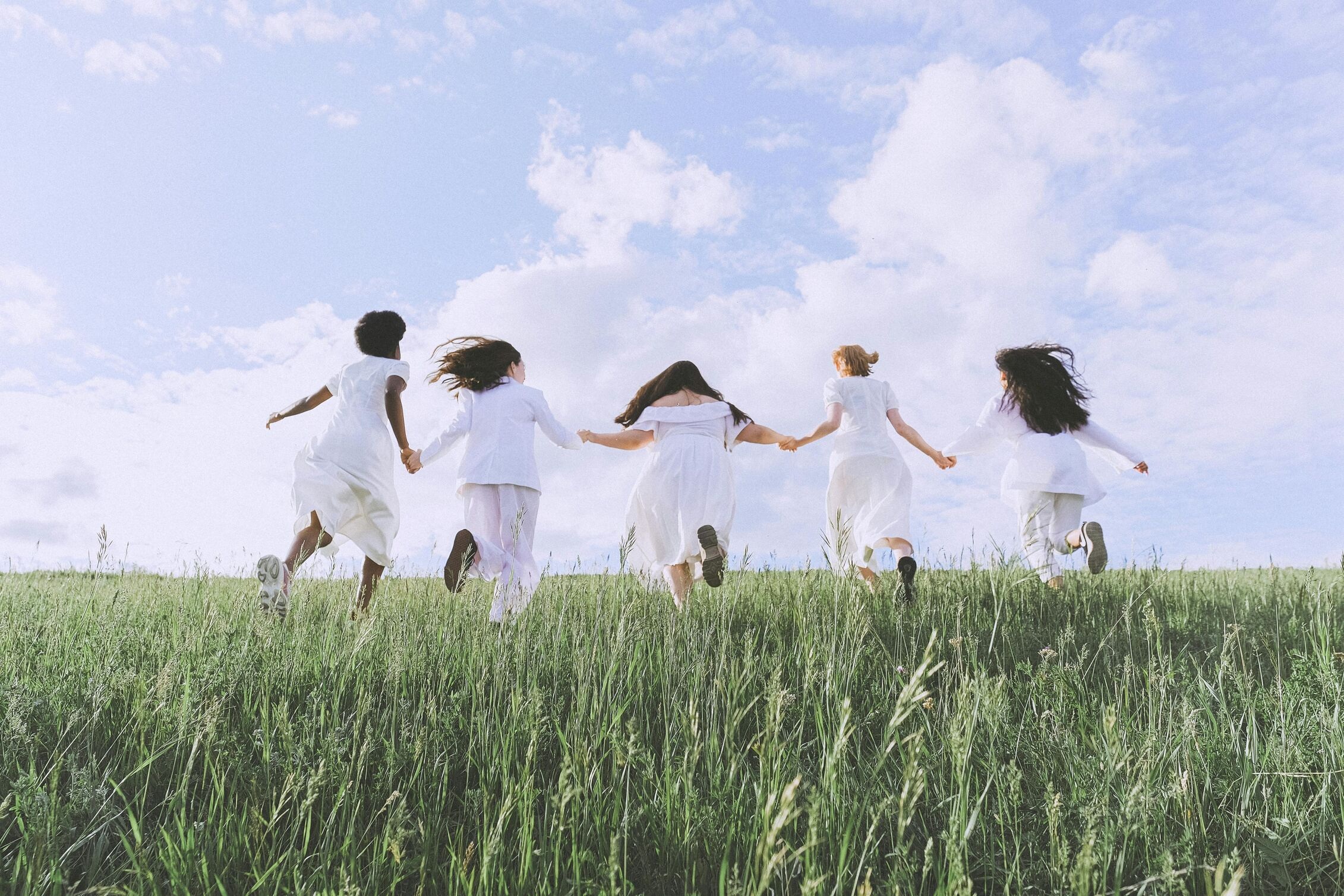
Feminist friendships are miniature revolutions. They are places where care becomes political, where emotional labor is recognized, and where sisterhood becomes a lived practice. These relationships show that liberation is not achieved only through public actions or policies but also through private acts of compassion, accountability, and solidarity.
Radical sisterhood is not an abstract idea. It is present in the ways women show up for each other, listen without judgment, challenge each other gently, and celebrate each other wholeheartedly. In a world that often isolates and exhausts women, feminist friendships weave communities of strength, healing, and hope.
The revolution, in many ways, begins with how we love and support one another.
