


Introduction
Scroll through enough fashion week archives and you start noticing the same move on repeat. A headdress sacred to Native American nations gets styled as a runway accessory. A print rooted in West African textile traditions loses its name and gets relabeled “tribal.” A hairstyle that’s gotten Black women sent home from work or passed over for jobs suddenly gets called edgy the second it shows up on a white model.
Fashion does not always say it out loud, but there is a word for this pattern: exoticization. It has been running through the industry for well over a hundred years, and has not slowed down.
At its core, the idea is not complicated. A culture’s clothing, hair, or traditions get pulled out of context and used purely as a look, with no real thought given to where any of it came from or who it belongs to. The people connected to that culture rarely see the credit, the spotlight, or the money that follows.
What Exoticization Actually Means
There is a real difference between borrowing with permission and just taking. The genuine cultural exchange usually comes with some kind of relationship attached to it, credit, collaboration, maybe even payment. Exoticization skips that step entirely.
A culture, usually one that has been colonized or historically pushed aside, gets treated as something mysterious and appealing that exists mainly to be raided for ideas. Writers have been describing this dynamic for decades under the term Orientalism, the idea that Western imagination built an entire fantasy version of the East out of mystery and sensuality rather than anything real. Fashion took that fantasy and turned it into a product line.
A Habit With Deep Roots
These things have not started with Instagram. If you go back to the early 1900s and you will find French couturiers openly building entire collections around what they called “Oriental” fashion. Taking the silhouettes and fabrics from Asia and the Middle East and reworking them into harem pants and turbans for wealthy European clients. Nobody from the cultures being referenced was in the room, let alone credited or paid. It was treated as raw material.
You saw the same instinct again in the 90s. Dreamcatchers, feathered headdresses, that whole look started popping up on mall racks and sold to teenagers with basically zero mention of which nations those symbols actually came from.
How It Still Shows Up Today
Fast forward to the last decade or so and the examples have not really stopped. A major lingerie brand once sent a model down the runway in a sacred Native American war bonnet. Despite the backlash, it later used similar “exotic” and “nomadic” themes. High fashion is not innocent here either. There was a well-known Italian house that built an entire collection around African tribal motifs, then shot the campaign on location with local community members barely amounting to more than background scenery. Around that same stretch, a major American designer put brightly colored dreadlocks on his runway models and somehow did not book a single Black model to wear them.
This is not a small-label problem. Some of the biggest names in fashion have done exactly this, more than once, which says a lot about how normal it has become.
The Real Cost of Turning Culture Into Costume
Communities Get Stereotyped Instead of Represented
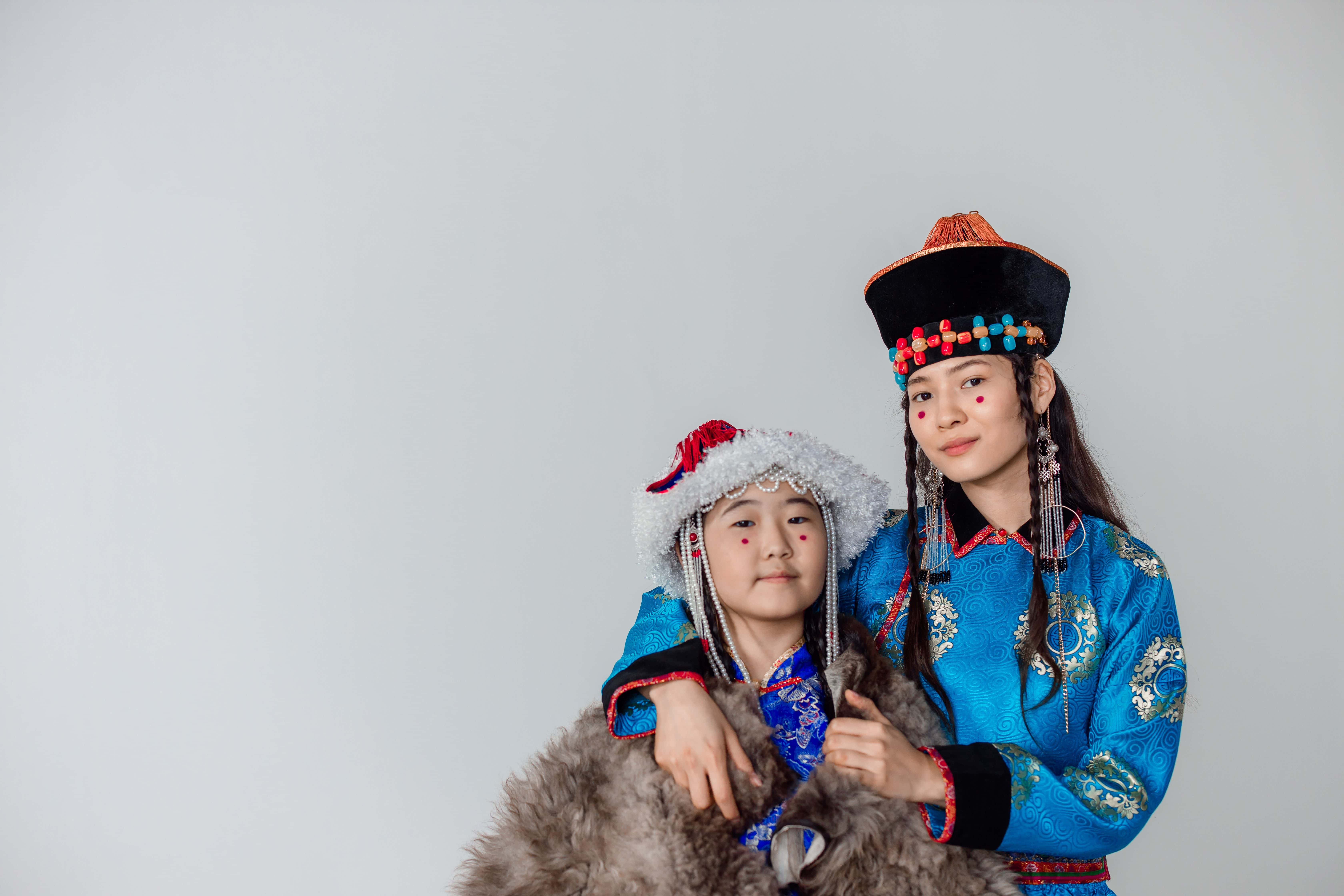
Once a culture’s dress becomes a trend, it tends to flatten fast. Entire regions and histories get reduced to a few recognizable symbols, repeated season after season until the actual meaning behind them disappears. A headdress stops standing for achievement and becomes shorthand for “festival look.” The specific draping traditions in something like a sari get replaced by one generic idea of “exotic fabric.” And the people who actually live inside these traditions almost never get asked how they would like to be represented.
The Money Rarely Reaches the Source
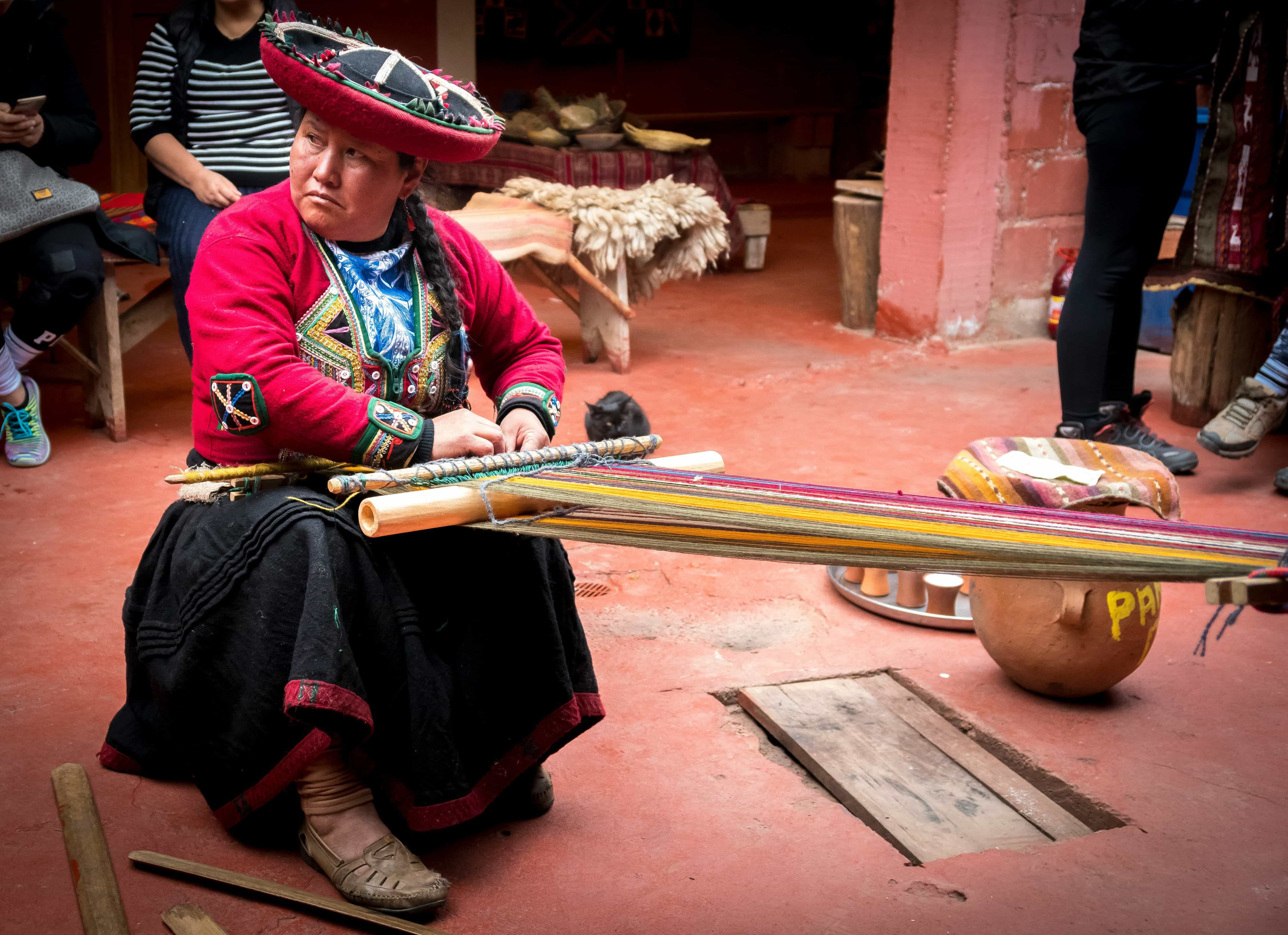
There is a financial piece to this that is very easy to skip over. Big fashion houses make real money from these collections, while the communities usually see none of it. A lot of traditional dress and craft does not belong to any one identifiable person legally, which means it is not protected the way a logo or a design patent would be. It belongs to a whole community, but in practice just makes it easy to take from and hard to defend. A community can get judged for wearing its own traditional clothing while a European label sells a version of the same thing at a markup and calls it design innovation. Prada’s recent reworking of the traditional Kolhapuri chappal is a clear example of this tension.
Double Standards That Cause Real Harm
Maybe the hardest part to sit with is the double standard underneath all of it. Cornrows and dreadlocks have gotten Black students suspended from school and Black professionals passed over for jobs, for decades. Put that same hairstyle on a runway on someone outside that culture, and it suddenly reads as bold and fashion-forward. The look only gets celebrated once it has been separated from the people who actually wore it first and dealt with the consequences.
Why the Industry Keeps Doing It
Some of it just comes down to how fashion runs. The whole business depends on constant reinvention, and designers are under pressure to make something feel new every few months. Reaching outside the usual references is often the fastest way to manufacture that sense of freshness.
Who is actually making these decisions matters too. Leadership at most major fashion houses is still overwhelmingly white, so choices about which cultures get “featured” in a given season are usually made by people with no lived connection to them.
What Genuine Change Looks Like
Staying away from other cultures completely was never really the point, and it is not the fix here either. What is different about the brands that get this right is pretty simple: actual partnership instead of one-sided borrowing. There are independent designers, including a few with direct family ties to the cultures. They draw from, who work hand in hand with artisans, split profits fairly, and let the original makers shape how their own traditions get shown to the world. This is a completely different process from a design team pulling reference images off the internet and calling it inspiration.
The line between appreciation and appropriation usually comes down to a short list of questions. Were the people from that culture actually involved? Did they get named and paid? Did they have any real say in the outcome? A collection can answer yes to all of that and still look beautiful. It is the difference between working with a culture and simply working off of it.
Conclusion
Exoticization sticks around because it is profitable and the industry has never been great at holding itself accountable quickly. Even so, brands do change course when there is enough public pressure and shoppers asking harder questions about where it actually came from. Every public callout and every apology forced out of a fashion house chips away at a habit that has been normalized for far too long.
Culture was never meant to be a costume, no matter how many decades of runways have treated it that way. The next time a collection gets described as “exotic,” it’s worth asking a much simpler question: who actually gets to tell that story, and who is just getting paid for repeating it.
