


Why Hating Women Became Clickable and How It Can Be Countered
Digital platforms were made to help people share their creativity. But many women feel unsafe there because they often face mean behaviour because of their gender. This happens a lot in games and online communities, where women can be seen but also get picked on.
What we are witnessing is not simply online harassment. It is the transformation of misogyny into a form of entertainment. Content that targets women generates attention, reactions, and traffic, which in turn makes it profitable. This shift has serious consequences for women who work, create, and build audiences online.
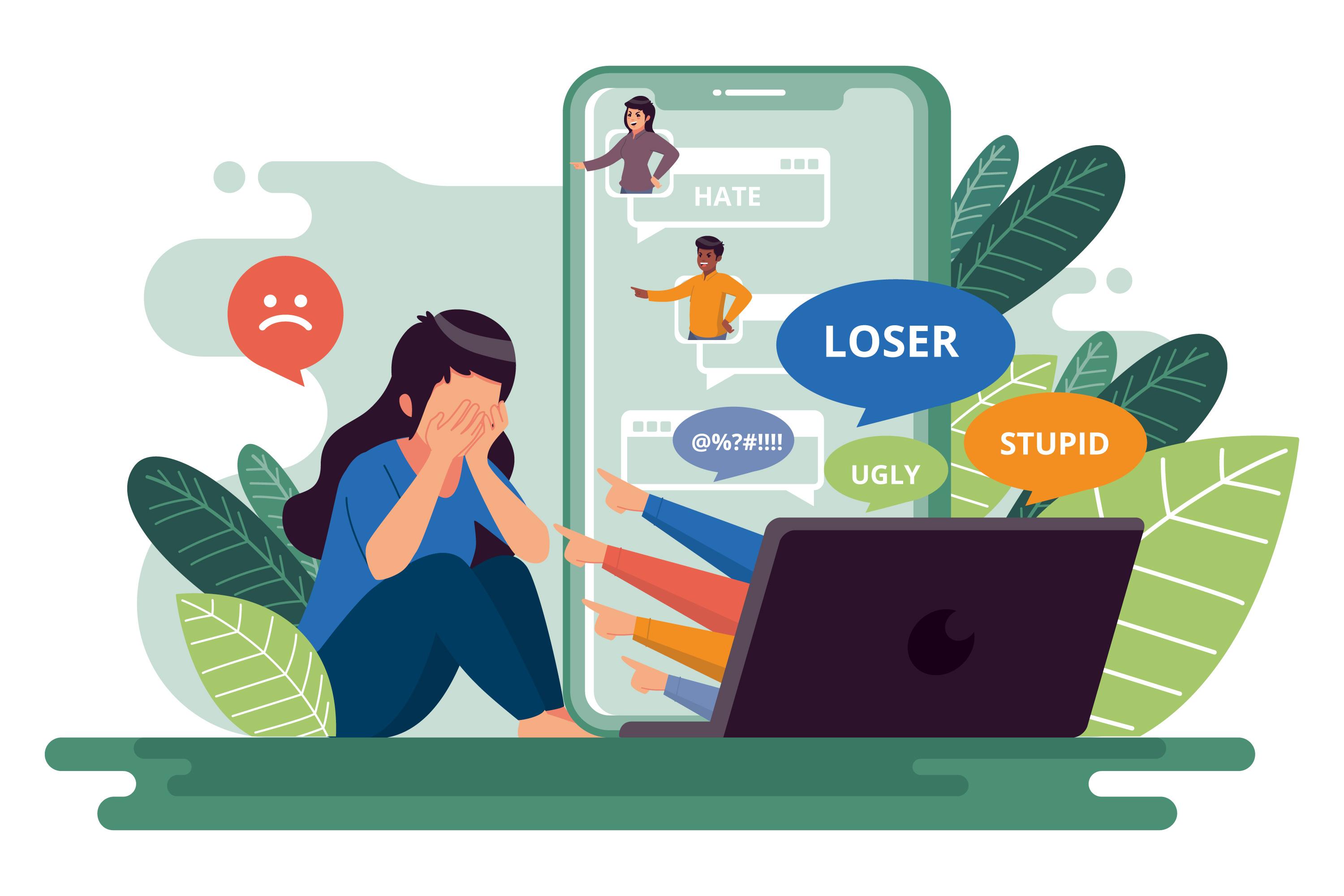
Image credits: Freepik
How Misogyny Became Clickable
Misogyny, or hate against women, didn't start online. The internet just makes it easier to see and share.
Websites want people to stay and engage, so they show things that get strong reactions. Attacks against women often get more shares because of this. This means hurtful content becomes popular.
Over time, people start using hate to get noticed, rather than just being mean by accident. Misogyny turns from a bad idea into a way to get attention.
Why Female Gamers and Women Creators Are Targeted
Women in gaming and content creation frequently face harassment, sexism, and cyberbullying. These issues arise from their visibility in male-dominated spaces, leading to discrimination that can hinder their participation and adversely affect their mental health.
Gendered Gatekeeping
The gaming industry has been known as a male-dominated field since it started. Women in gaming often have to prove themselves through tests that men do not face. Players doubt their skills. They notice their mistakes more than usual, and people treat their presence on the field as unusual.
Blurred Personal and Professional Boundaries
The assessment process for women creators evaluates their work in combination with their personal attributes. The public uses their appearance, voice, clothing, and personal choices as material for assessment. The process creates content from identity, which restricts both privacy and the ability to make mistakes.
Audience Entitlement
Some people think they have the right to a woman's time, emotional support, and agreement with their demands. When women set boundaries or show confidence, many react with hostility. This behaviour creates an environment where targeting women is seen as acceptable.
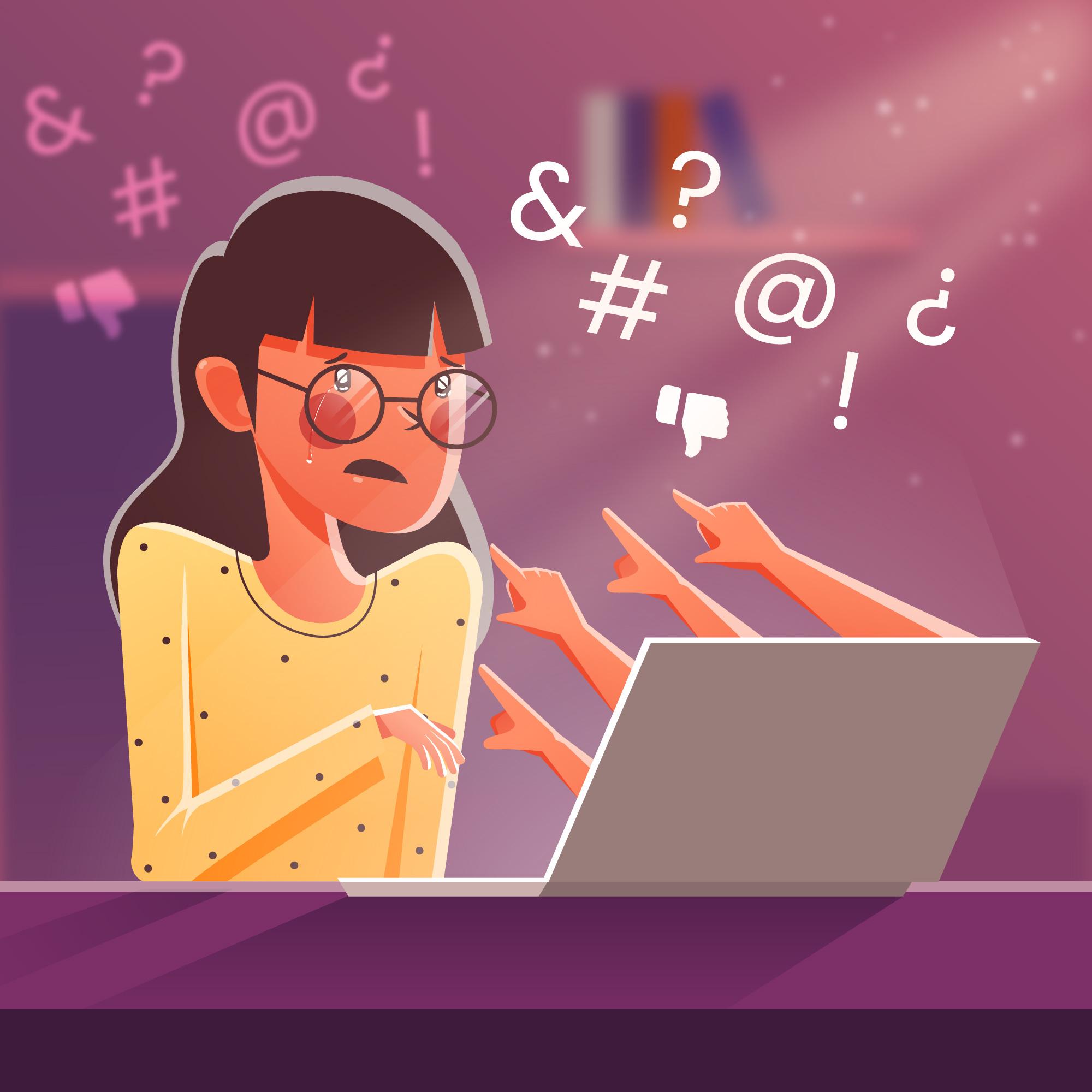
Image Credits: Freepik
Humour as a Shield for Harassment
Digital platforms use humour to hide most of their misogynistic content. People use jokes, memes, and satire to present their abusive remarks. The framing presents the situation as less dangerous because it shifts responsibility to the victim for their response to the incident.
When people treat harassment as something funny, it becomes easier for them to spread the behaviour while their attackers face no consequences. People who express complaints about the situation experience their objections being ignored as excessive responses, while the organisation permits the harmful actions to persist. Through repeated acts of cruelty, people gradually establish a new standard of what is acceptable behaviour.
The Real Costs for Women Online
Digital misogyny creates harmful effects that reach beyond its expression through comments and messages. Permanent damage results from continuous harassment, which affects both women gamers and content creators. The effects include public withdrawal, mental health challenges, damaged reputation from fake content, lost income chances, and worries about personal protection. The systems that allow abuse should be changed to help women.
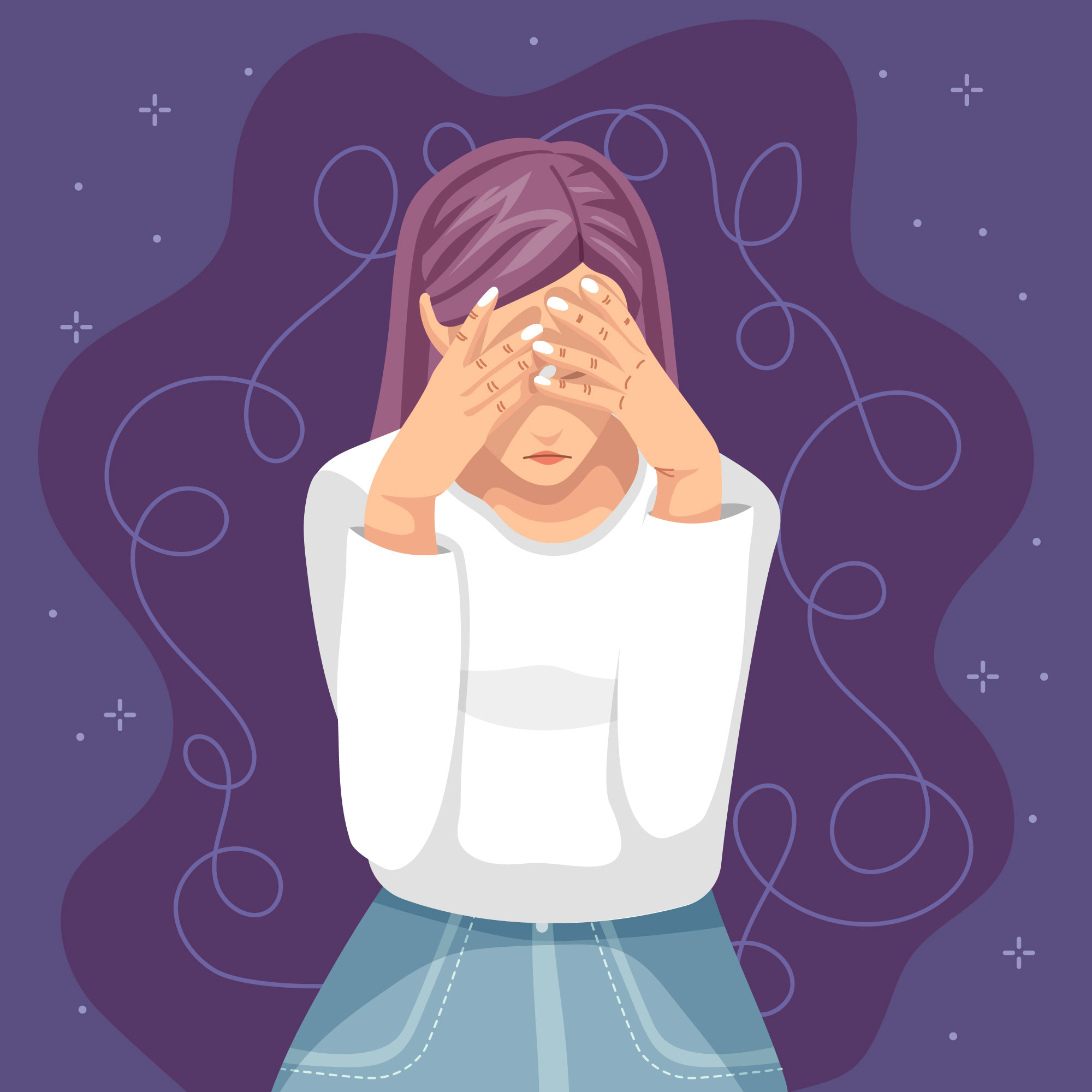
Image Credits: Freepik
Platform Responsibility and Structural Gaps
Platforms depend on reporting systems, which take down content only after users have suffered harm. The implementation of these processes experiences both delays and unpredictable results.
The user base of platforms experiences a conflict because platforms use dangerous content to increase their operational profits. Users need improvements to the system to make it easier to find content and control their online safety.
Strategies to Counter Digital Misogyny
Digital misogyny needs to be solved through group-based solutions, which establish permanent changes instead of requiring single people to develop their personal strength.
Reducing Visibility of Harmful Content
Abusive materials become more widespread when we directly interact with them. The combination of blocking and muting, together with exposure restriction, allows users to control their content visibility while decreasing algorithmic content distribution.
Shared Moderation and Clear Community Rules
Moderation works best when it is collective. The establishment of visible standards together with their consistent enforcement establishes distinct boundaries that demonstrate that harassment will face disciplinary action.
Platform Literacy
Creators need to be aware of platform tools, which include comment filters, chat delays, and moderation settings, as these tools help them create their desired boundaries. Professional safeguards should be considered essential protective measures instead of being seen as methods to restrict content.
Shifting the Narrative
The research shows that cyberbullying of women through digital abuse acts as a significant threat that needs more than a single incident assessment to evaluate its severity. The broader framework helps us understand how online harassment, which consists of cyberbullying and sexual harassment, affects women.
The identification of these patterns demonstrates their importance because they enable us to discuss necessary changes that should occur in media frameworks and regulatory systems, and legal standards to combat the existing problem.
Legal and Policy Awareness
Legal protections for personality rights, impersonation, and defamation rights provide people with both protective measures and legal remedies. The act of being aware of something can transform existing power relationships between people.
Conclusion
The current state of digital misogyny continues to exist because people receive views and engagement for it, and society accepts it as normal, while there exists no effective system to combat it. Female gamers and gamers who create content are subject to harassment due to their visibility in the gaming community. This attention is not any sign of their weakness, even. To make things online better, we need to change what we reward. If people stop ignoring bullying, being nice to each other will be the norm. Websites also need to take care of how their users act. The issue is not whether women belong online. The issue is whether digital spaces are willing to move beyond hostility as entertainment.
