


Ecofeminist principles have been around for about fifty years now, and the idea at their core is straightforward: the way society treats women and the way it treats nature both come from the same impulse to control something, use it up, and sell it for profit rather than care for it. This connection has faced considerable skepticism over the years, often dismissed as an overreach, as if two unrelated issues were artificially combined to create a neat theoretical framework. However, if you consult an ecofeminist from the Global South, the perspective shifts from theory to tangible lived experiences.
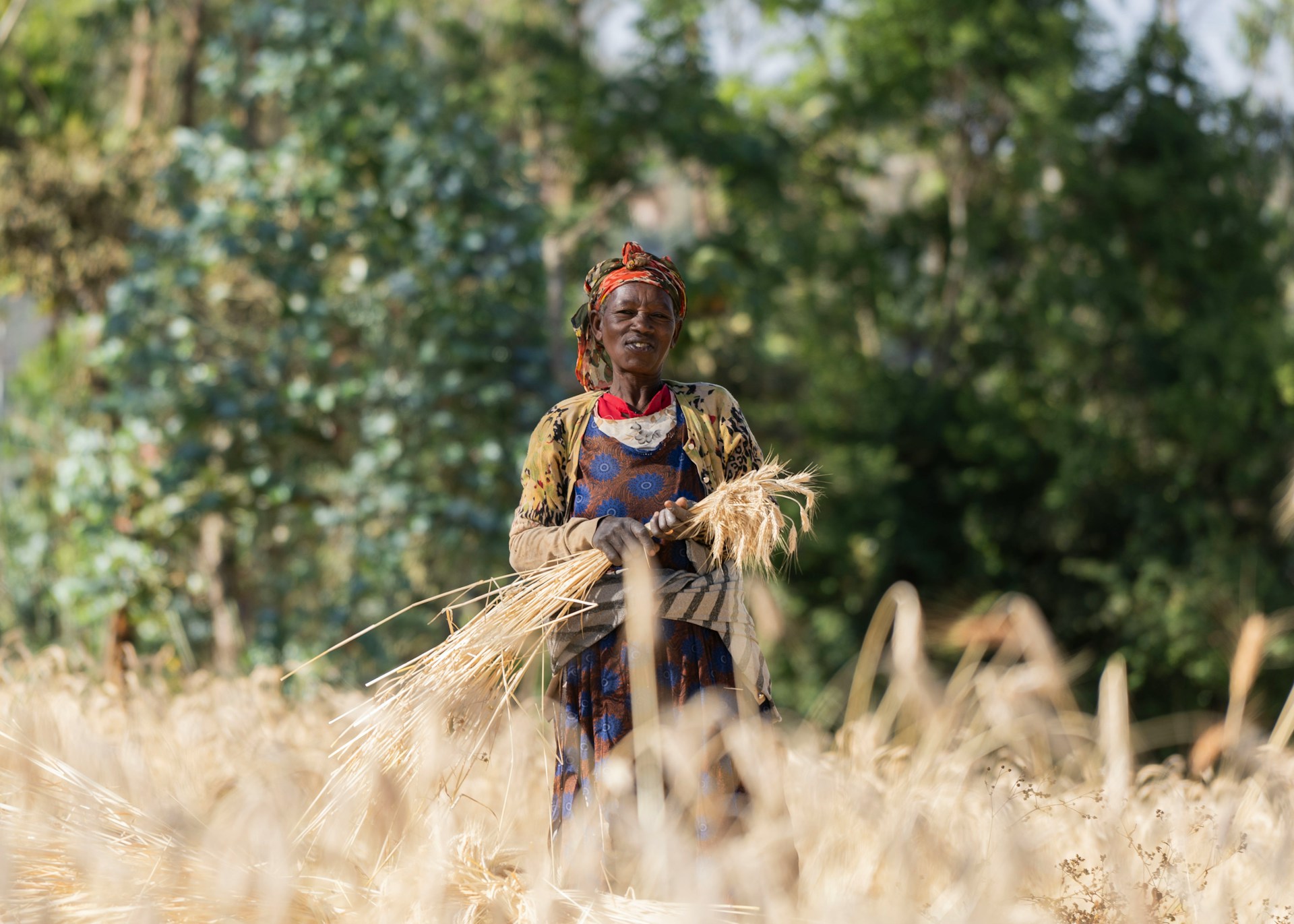
Nobody's arguing women are somehow closer to nature, biologically or otherwise. What ecofeminists actually point to is extraction: land stripped of resources, women stripped of labor, both around the same time, both treated as if neither would ever run out. Nowhere shows that more clearly than the Global South, where women are usually the ones working the land, hauling the water, gathering the fuel, and absorbing whatever the environment throws at their household first.
What Are Ecofeminist Principles?
The term was coined by French writer Françoise d'Eaubonne, who wanted a word that could link the oppression of women directly to environmental degradation but ecofeminist theory got its real teeth from people working outside Western academia, Indian physicist Vandana Shiva chief among them, who built the concept around Global South realities. She argued that industrial and colonial development amounted to over-exploitation of nature and women together. Many generations of women across the Global South have farmed the land, carried water and fuel, and kept local ecosystems running. None of that labor has ever counted toward a country's GDP.
Shiva named this the feminine principle in her 1988 book, Staying Alive: Women, Ecology and Development. In her opinion, patriarchy and environmental destruction both extract from their targets instead of sustaining them. Nature isn't raw material sitting around waiting to be used. It's a living, interconnected system.
This same logic is why formal institutions dismissed women's ecological knowledge for decades. Rural women learned which seeds survived drought and which soil needed rest, then passed that on to daughters and neighbors through practice, not paperwork.
This model of progress runs on subsistence, not growth.
Where This Actually Happened
Chipko, the Green Belt Movement, and the resistance building across the Amazon all trace back to the same instinct: protect what you can't survive without.
The Chipko Movement, India
It started in Chamoli district in 1973, when villagers, mostly women, began standing physically between commercial loggers and the trees those loggers meant to cut down. People started calling it Chipko, from the Hindi for "to hug." A year later, in the village of Reni, that resistance found its defining moment when a group of women led by Gaura Devi held the same line against loggers trying to reach the forest their households depended on for fuel, fodder, and water. They didn't move, and by 1980 the Indian government had banned commercial logging across the Uttarakhand Himalayas for fifteen years, in what's still considered one of the clearest examples of ecofeminism in practice.
The Green Belt Movement, Kenya
Wangari Maathai took a different approach a few years later in Kenya, where streams were drying up, food supplies were shrinking, and women were walking farther every year just to find firewood. So in 1977 she started paying rural women to plant trees instead, an effort that grew into the Green Belt Movement. Seven seedlings planted on a single World Environment Day eventually turned into more than 30 million trees, and along the way, tree planting became something women could actually earn a living from, tying ecological restoration directly to their financial independence. Maathai won the 2004 Nobel Peace Prize for it, the first African woman ever to receive one.
Buen Vivir and Indigenous Resistance in Latin America
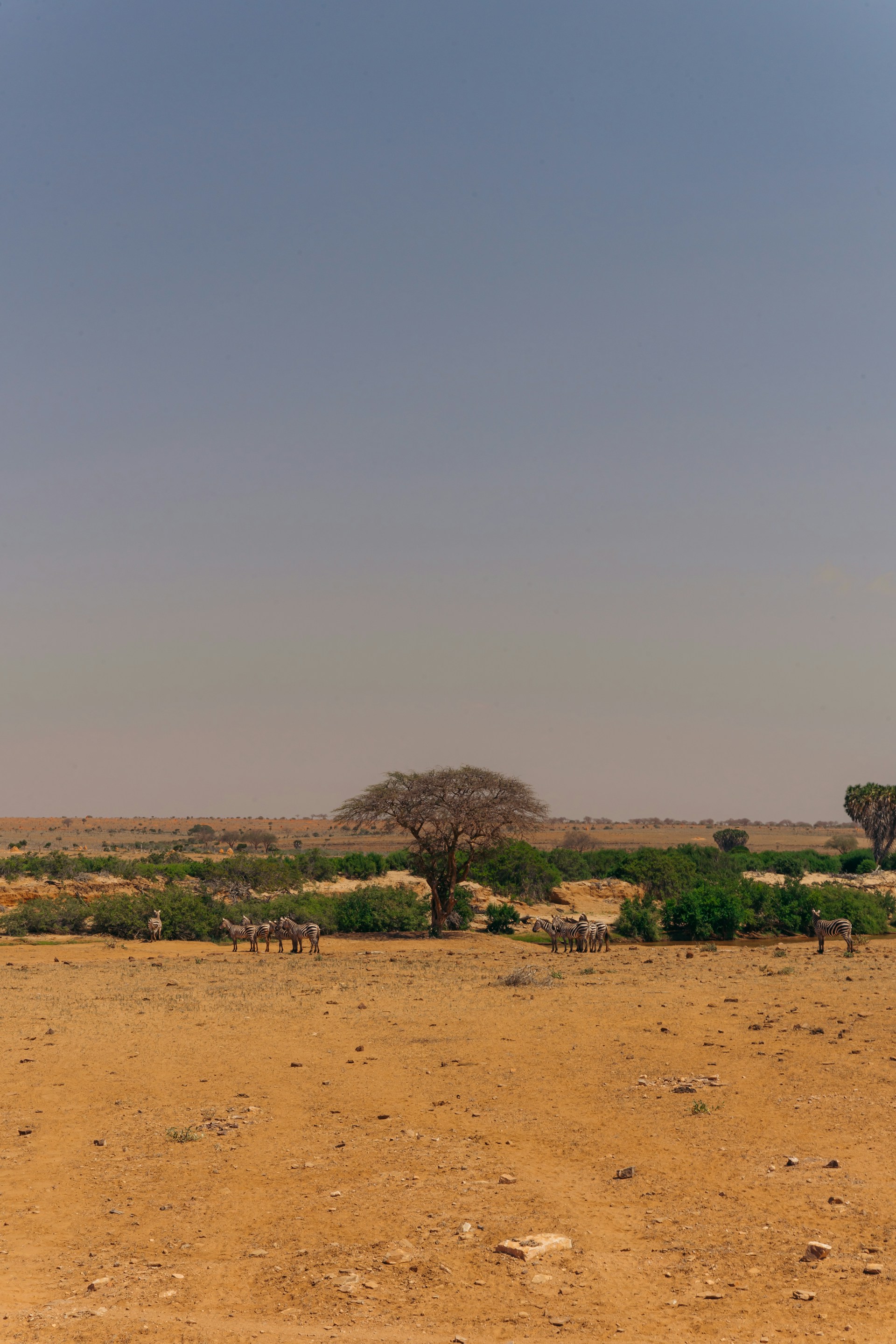
The Amazon tells a similar story in a rougher form, as oil and mining companies keep pushing into Indigenous territory and the women living there stop waiting to be asked first. In Ecuador, a group called the Mujeres Amazónicas started keeping their own records of the spills and incursions those companies left out of their official reports, while pushing for legal protections grounded in free, prior, and informed consent. The idea driving all of it is buen vivir, balance between people and everything else alive around them, rather than accumulation for its own sake.
What Any of This Has to Do With Your Own Life
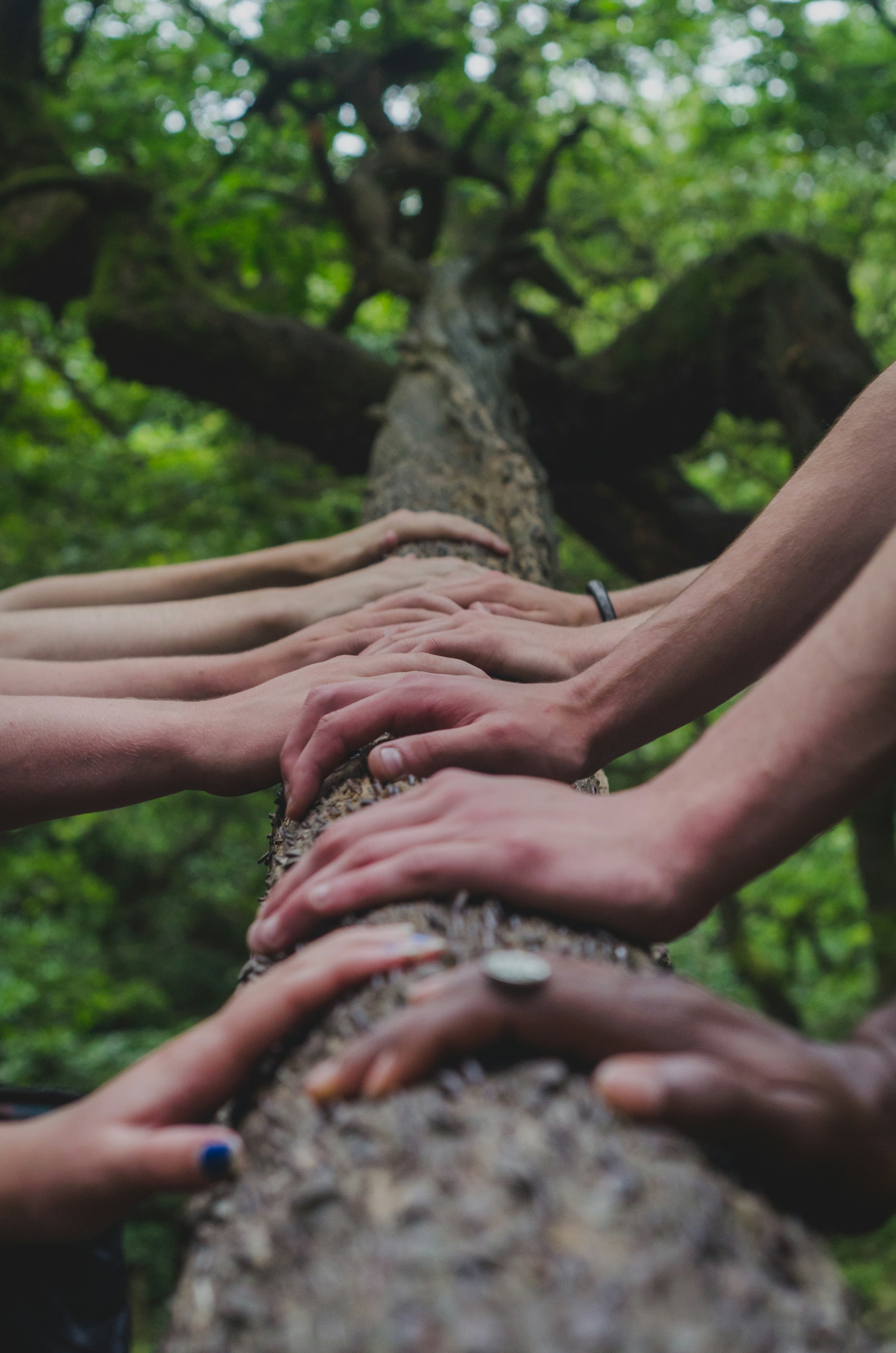
Ecofeminist principles can also guide everyday choices about food, farming, consumption, and community care. You do not need to become part of a movement for these concepts to hold value. Prioritizing traditional agricultural wisdom over foreign industrial techniques that were not designed for the local environment is a good starting point, as is supporting community seed banks instead of depending solely on patented commercial seeds. Acknowledging unpaid care work such as cooking, gathering, child-rearing, and gardening as legitimate economic contributions, rather than viewing them as invisible, is equally important, as the nature of this work does not change simply because it is not compensated with a paycheck.
Shiva's long fight against seed patents makes the stakes easier to see. Crops like neem and basmati rice were bred collectively, over generations, by farming communities who never filed a single patent between them, relying entirely on knowledge passed down rather than paperwork. When a corporation shows up afterward and claims ownership over the whole variety, that stops being a contract dispute and becomes something more serious: a community cut off from the land it built an entire life around, exactly the relationship ecofeminists argue real sustainability depends on. Shiva's own organization, Navdanya, has spent decades fighting precisely this kind of seed patent.
A Fair Look at the Criticism
Ecofeminism has taken real criticism over the years, including from other feminists, some of which are valid. Early versions of the theory leaned on the idea that women are somehow inherently closer to nature. That claim flattens something real, since women's lives look completely different depending on where they're from, what they do, and who they answer to. Critics have also pointed out that some of the movement's most visible voices come from fairly comfortable backgrounds, speaking for rural and Indigenous women whose daily lives look nothing like theirs. The field took that criticism seriously. It moved toward closer attention to race, caste, and class alongside gender. This intersectional approach recognizes that women can experience environmental and social inequality in very different ways.
Where That Leaves Us
Women built ecofeminist principles while defending things they genuinely couldn't afford to lose: forests, water, seeds, and land. None of it started life as an academic theory dreamed up somewhere far from the people it was supposedly about, in much the same way that real climate resilience rarely gets built from inside a boardroom either. Chipko happened in the seventies, the Green Belt Movement started around the same time, and the fight in the Amazon still hasn't stopped, different decades and different places all landing on the same pattern: sustainability that ignores the people already doing the work of holding their communities together was never sustainability to begin with.
