


Pregnancy risks are an all time high. Changing lifestyles, degrading quality of life and resources, and stress predominantly affect maternal health. While many of these risks can be managed well to prevent loss of life, sometimes it's about the so-called ‘priorities of whose lives should be saved and whose not.’
In the United States of America, whether regarding abortion laws or implicit negligence towards Black women, the system is quite messy compared to other high-income countries. In 2023, Black women in the U.S. had nearly 50 maternal fatalities per 100,000 live births, compared to roughly 14.5 for White women, according to a study by the National Center for Health Statistics (NCHS). This represents a three to four times disparity rate. The worst part is that these tragedies are avoidable preventable failures fueled by negligence, bias, and racial discrimination.
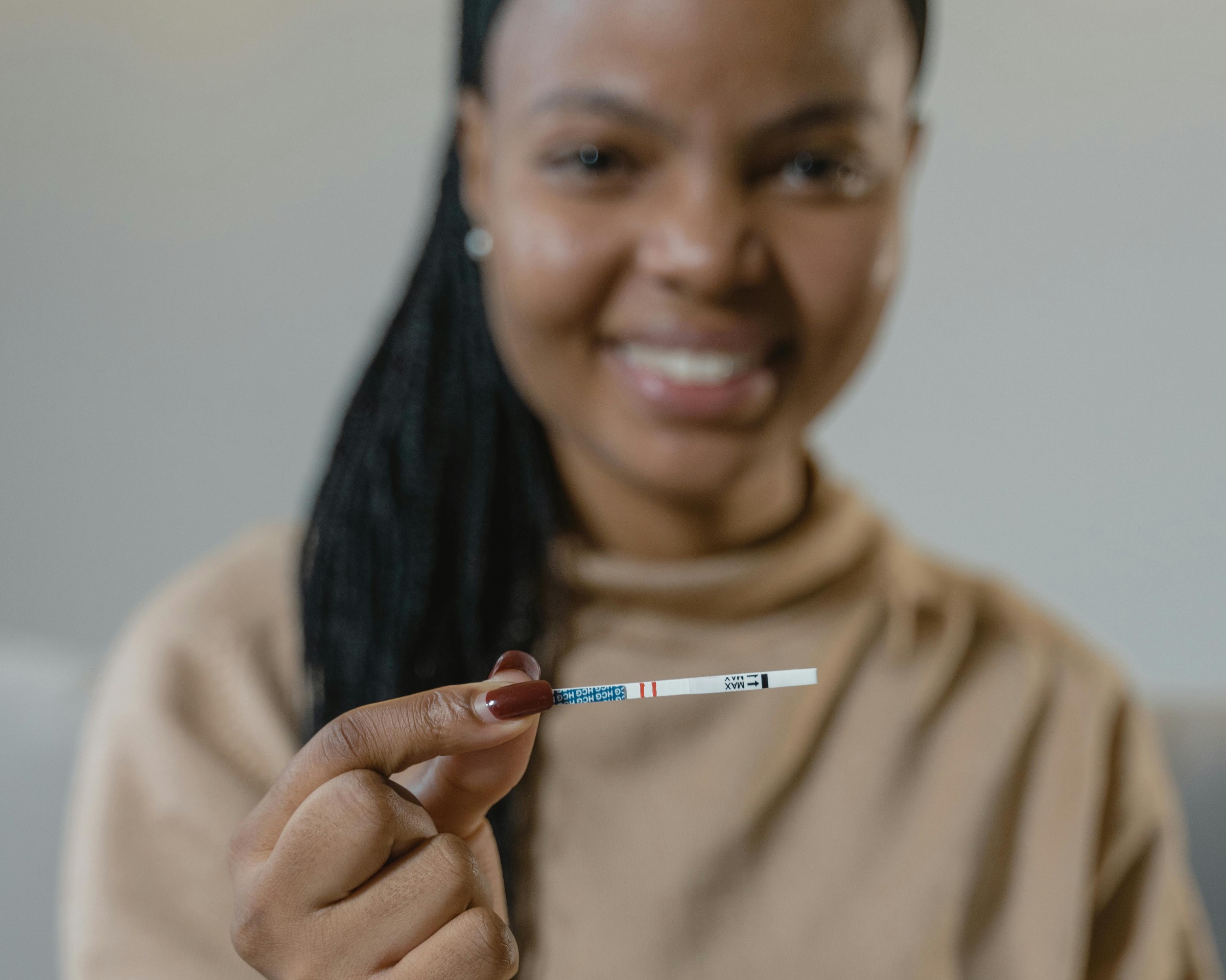
Reason for the Gap
Preventable Failures or Negligence?
A report by the Commonwealth Fund Organization states that maternal deaths in the USA are a systemic failure and not just an unfortunate mishap. It states that about 2 out of every 3 maternal deaths in the United States occur post-childbirth, especially during the postpartum period of up to 42 days.
These statistics are not mere data, but the brutal truth about negligence that is based on racism, inequality, and thoughtlessness. When avoidable mistakes lead to loss of life, they are deliberate and need to be questioned. Quality infrastructure, monitoring systems, risk analysis, and reasonable action are non-negotiable.
The Role of Structural Racism in Black Women's Deaths
Data from the NCHS reflect on the grave disparity and rooted racism in American healthcare history with Black women's maternal death rates being higher than that of White, Hispanic, and Asian women.
One can not justify such disparity by simply stating the difference in educational or socioeconomical status. Prolonged neglect of Black communities, differences in healthcare quality, geographical allotments, and policy gaps all point to the evident structural racism. This mainly influences the health risks and circumstances Black women encounter before and during pregnancy.
Medical Care: Treatment Gaps and Dismissal
Pre-eclampsia- a condition related to high blood pressure during childbirth, clotting issues, severe infections, misinterpreted procedures, and hemorrhage are primarily responsible for direct maternal deaths. Due to the prevalent intersectionality, Black women are often neglected. Their symptoms and pain are more likely to be dismissed or ignored due to implicit bias and racism. This leads to missed treatment, disregarding women’s pain, and ultimately death due to ‘pregnancy risks.’
Impact of Racism Induced Stress
Persistent racism hampers the mental health of pregnant women along with their already strong hormonal mood swings. Mental health impacts human health more predominantly than we think. It directly impacts the hormone levels in the body and triggers the physiology to fluctuate highly. Along with that, constant exposure to racism and discrimination causes an increase in allostatic load, or stress-related exhaustion.
The main reason behind most sorts of pregnancy complications is stress, which increases the chance of maternal death. Even the Black women earning well in better positions face this struggle more than other women.
Accessibility and Geographic Limitations
Two important factors that affect the outcomes of pregnancy related risks are geographic factors and accessibility to quality hospitals. In the U.S., Black individuals mostly reside in areas with higher levels of violence, pollution, and lack of access to efficient educational and health services.
Articles in Science Direct have found that, Black women often give birth in hospitals with worse quality metrics, fewer resources, or less capacity for obstetric emergencies. This often leaves them with greater risks and inadequate response systems that fuel maternal death rates.

Policy Failures and Impact on the Gap
The U.S. legislation designed to protect mothers often fails to safeguard them when they are most vulnerable, particularly the women of color.
Medicaid Coverage Issues
The majority of states in the U.S. provide coverage for economically disadvantaged pregnant women for 60 days post birth, but the Center for Disease Control and Prevention (CDC) reports that over 30% of maternal deaths occur within one week up to a year post childbirth. This sort of a provisional loophole disproportionately impacts Black women, who are more likely to rely on Medicaid for childbirth that is about 65% as suggested by CDC.
Next in the list is the American Rescue Plan Act passed in 2021 that authorized all U.S. states to renew postpartum Medicaid for 12 months, but didn't make it mandatory. So several states, especially in the South, haven't yet implemented complete extensions, worsening it for Black mothers.
Abortion Acts Increasing the Risk
Regressive abortion laws in several states have made it immensely difficult for doctors to handle fatal complications such as labor issues, pre-eclampsia, still birth and miscarriage. According to a study by the Johns Hopkins Research Center in 2023, the states that impose strict abortion laws have 62% higher maternal death rates. Black women are disproportionately affected by this as a significant portion of the population tends to reside in the southern states of the U.S., where abortion restrictions are most stringent and average maternal risks are already high.

Efficient Action Can Help Better the Situation
Priority Policy Changes Are A Must
Here are a few ways policy changes can ensure reduced rates of maternal death in Black women:
Expanding postpartum Medicaid coverage to 12 months can help in aiding care for complex childbirth up to a year.
Ensuring that all hospitals have efficient obstetric facilities for early diagnosis, emergency protocols, and real-time analysis and action.
Investing in culturally appropriate, community-based support services such as midwives, and monthly house-visits.
Maintained transparency and conducting honest reporting and investigations.
Prioritizing mental health services, access to quality healthcare, and financial aid for historically underprivileged neighborhoods.
The Need to Highlight Testimonials
It is extremely crucial to advocate for issues like higher maternal death rates in Black women using a mix of creativity, raw testimonials, documentation, and reporting brings about the real pain of Black women in the U.S.
Being able to bring attention to the stories of such victims, has the power to influence laws, change policies and portray the actual statistics and pain points of them and their families. We can amplify the voices of suffering communities through their lived experiences, honest investigations, and social media platforms to highlight these issues. It's high time we listen and act.

Conclusion
Preventable maternal fatalities serve as a condemnation of systems rather than mothers. If we truly cherish Black lives, we must finance the measures necessary to keep mothers alive. That is not philanthropy; it is justice. It isn't an option to neglect someone's life based on their race. It's human rights. The key to progressive societies lies in this grave intersection of health, gender, and human rights.
