


Introduction
Delhi’s air quality. China’s choked Yellow River. Russia’s polluted Norilsk.
We usually discuss industrial pollution, contaminated water, or unbreathable air when we discuss environmental justice. We rarely equate our daily beauty routines— the shampoo, lotion, makeup and hair products that promise transformation— with the same social justice concerns. Yet, contemporary research demonstrates that beauty products are more than just consumer indulgence; they can be a source of toxic chemical exposures.
These exposures do not occur in isolation, nor are they evenly distributed. Chemical ingredients, pattern of use, and gaps in regulation together shape health risks that fall disproportionately on certain communities. Research increasingly highlights racial and socioeconomic disparities in exposure, shaped by targeted marketing, limited oversight, and entrenched beauty norms.
Beauty products, when viewed through environmental justice lens, sit at the intersection of chemical safety, public health, and structural inequality.

Picture credit: Pexel
The Hidden Chemistry of Everyday Beauty
Modern beauty products often look sleek on shelves, but the science beneath their glossy exterior tells a more sobering story. Scientific studies reveal that many care products commonly contain synthetic chemicals such as phthalates, parabens, formaldehyde-releasing preservatives, quaternary ammonium compounds, isothiazolinone preservatives, and undisclosed fragrance mixtures.
Environmental Working Group (EWG) analyses of thousands of products indicate that many formulations, especially hair and skin products, report moderate-to-high hazard scores based on ingredient profiles. These hazards are associated with respiratory effects, skin sensitization, reproductive harm, and cancer related concerns, among other potential health risks.
It is important to clarify that chemical presence alone does not prove harm at typical exposure levels. Toxicological risk depends on dose, frequency, and combined exposure. However, repeated use of several products over time raises concerns about cumulative exposure.
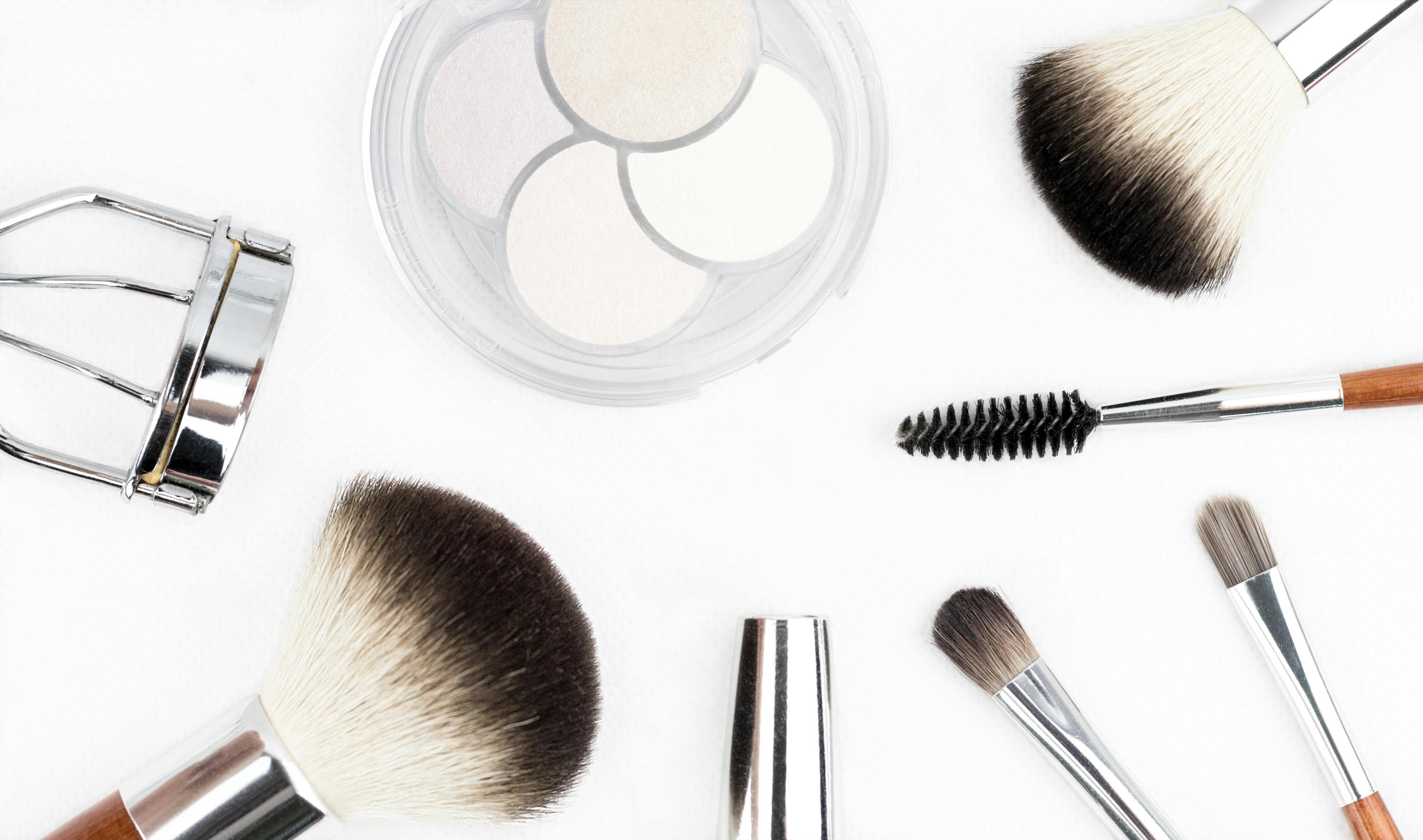
Add Image
Picture credit: Pexel
Unequal Exposure: Race, Marketing, and Beauty Norms
It is tempting to treat all consumers the same and label your products as “for all skin types”, but evidence shows that beauty product exposure does not affect everyone the same way. Research indicates that women of color, especially Black women, carry higher levels of beauty-related environmental chemicals in their bodies compared to white women, even after accounting for socioeconomic status.
This disparity is not accidental. It stems from “targeted marketing”, historical and on-going beauty norms, and limited regulatory transparency. Products such as skin lighteners, hair straighteners, douches, and certain feminine hygiene products are marketed disproportionately toward women of color. These products often contain higher levels of chemicals linked with health risks, such as endocrine disruption and cancer.
A 2025 EWG analysis reinforced these concerns: nearly 80% of more than 4000 beauty products marketed to Black women were rated as moderate-to-high hazard according to hazard scoring databases.
Moreover, a peer-reviewed study led by Rutgers and Columbia researchers found that Black women, middle-aged adults, and lower-income consumers were more likely to use products with higher hazard scores, based on their product use pattern.
Further, another community-based research in South California found that more than half of the women participating in product-use survey reported that they use product containing formaldehyde-releasing preservatives. It is important to note that compounds that release formaldehyde are classified as a carcinogen— a concern for both respiratory health and long-term risk profiles.
Safer alternatives of cosmetics items are often expensive or less widely available. Therefore, communities with fewer economic resources have limited access to products formulated without higher-risk chemicals.
Environmental justice scholars emphasize that these patterns should not be framed as individual failings or uninformed consumer behavior. Instead, they reflect broader systems that shape exposure risk through race-based marketing, regulatory gaps, and unequal access to health-protective information. The result is a form of “invisible” environmental inequality— one that does not rely on proximity to factories or waste sites but still produces measurable differences in health risk.
Health Consequences of Chronic Chemical Exposure
Heath implications associated with cosmetic chemicals fall into a range of categories. Some key points based on current evidence include:
Formaldehyde and formaldehyde-releasing preservatives have known respiratory effects and carcinogenic potential. The European Union has banned certain uses of formaldehyde in cosmetics, in contrast to more permissive U.S. policies.
Ingredients such as quats and isothiazolinone preservatives are recognized irritants and sensitizers, with potential respiratory and dermal effects, and are often termed as a higher-hazard ingredient in market analyses.
Some fragrance ingredients, even when undisclosed as mixtures, are associated with hormone disrupting and reproductive effects, immune responses, and allergic sensitization based on laboratory and animal studies.
There is a difference between hazard identification (what a chemical can do under certain conditions) and risk characterization (whether typical use leads to meaningful heath outcomes). While definitive causal links between every day product exposure and specific diseases are difficult to establish, consistent evidence from toxicology and epidemiology supports a precautionary approach.
Picture credit: Pexel
Regulatory Gaps and Policy Challenges: U.S. vs. U.K. vs. India
Regulatory landscapes for cosmetics differ significantly between jurisdictions.
In the United States, most cosmetic products and ingredients do not require pre-market approval by the Food and Drug Administration. The manufacturers bear the primary responsibility for product safety under the Federal Food, Drug and Cosmetic Act. Although the Modernization of Cosmetic Regulation Act, 2022, expanded FDA authority by introducing new to-dos (registration, product listing, adverse event reporting, and mandatory recall powers), regular pre-market safety approval remains largely absent.
On the other hand, the United Kingdom operates under a precautionary regulatory framework that requires cosmetic products to undergo safety assessments and regulatory notification before hitting the markets. Moreover, it also has a designated Responsible Person who is legally accountable for compliance, documentation, and post market surveillance.
Coming back to home-ground, India regulates its cosmetics through the Drug and Cosmetics Act, 1940 and the Cosmetics Rule, 2020. These legislations provide an oversight focused on product registration, manufacturing standards, labelling, and inspections. However, the system does not mandate the same level of formal pre-market safety assessment as required in the U.K.
Environmental Justice and Broader Impacts
The environmental justice conversation around beauty products goes beyond human health. Many cosmetic ingredients derived from petrochemicals and plastics tie beauty consumption to fossil fuel extraction, microplastic pollution, and climate change.
Microplastic and persistent chemicals from personal care products can enter water systems and affect ecosystems and communities downstream. These broader environmental urges users to view beauty consumption as part of a larger environmental system rather than as a purely personal matter.
Towards a More Equitable Beauty Landscape
The intersection of beauty products and environmental justice can only be addressed through a multi-pronged approach. First, we need regulatory reforms that prioritize chemical safety and enforces mechanisms with health-protective standards. Second, there is a necessity for industry accountability. From manufacturers to retailers, everyone involved in the chain must go beyond marketing and embrace rigorous safety and sustainability criteria. Third— and this is a must— we require community education and access to safer alternatives, especially for communities disproportionately affected by toxic exposures.
But most importantly, we need to recognize that beauty standards and the products that support them are not neutral. They are shaped by history, culture and economic forces that have persisted beyond their expiration dates and normalized sufferings in some communities in exchange of physical aesthetics.
Environmental justice in beauty is not a niche concern. It is a public health imperative, a civil rights issue, and a call to build a future where access to safety and wellbeing is not a luxury.
