


Introduction
Sparking a conversation about climate change has highlighted important environmental reforms for ages. A specific example that comes to mind is the COVID-19 pandemic. Along with environmental change, it was marked by adverse health issues and scarcity of important resources at the cost of livelihood.
Particularly, the outbreak led to the regression of women’s rights with growing cases of violence against them. In addition to their care burden, gender disparity was further accentuated by narrower economic and rehabilitation options for women. This raises an important question about the gendered experience of climate change.
Intersection of Climate Change and Gender Disparity
The climate crisis in today’s age accounts for increased pollution, loss of biodiversity, droughts, floods, and land degradation, among other challenges. While efforts are made to address these problems, their large-scale impact on men and women differs significantly.
Differential Experience: Interplay of Socio-economic and Cultural Norms
It is observed that women and girls face the more pronounced effects of environmental threats, especially in rural areas. In societies where the role of women is considered derogatory, owing to traditional norms and stereotypes, men hold positions of power. In this context, power yields resources, access to opportunities and decision-making processes.
Women become more susceptible to the wrath of climate change because of their domestic responsibilities. Depletion of natural resources, such as water and wood that rural women are primarily responsible for carrying over long distances, often results in poverty. They struggle to make ends meet while bearing the burden of household work. Surviving on little to no food, their needs are often sacrificed for the men of the household.
Conventional views dictate that women withdraw from education to become caregivers. Not only do they experience severe health problems, but their safety is also threatened. Women become victims of harassment and domestic violence, increasingly when economic problems persist. Furthermore, their voices are silenced, and their growth opportunities are restricted as opposed to those of their male counterparts. In most cases, access to education and school also connects them to sanitation facilities. Deprivation of necessities puts them on the brink of the gendered impact of natural calamities.
Women in Agriculture
Climate shocks can cause the displacement of people to explore employment prospects far from home. This doesn’t change the story for most women in villages, whose work is constrained to agricultural activities. The land yield can be affected by drastic weather conditions and unpredictable rainfall patterns. Consequently, the economic plight of crop failure further exacerbates women’s weak position in society.
One would think that women’s increased involvement in agriculture would warrant some benefits for them. Sadly, the challenges hold more weight; they are characterised by a lack of land ownership and proper training. Women farmers don’t enjoy access to important assets related to land, such as technology, advanced machinery, etc., which thereby affects productivity levels. It is important to note that knowledge is power and it can significantly increase their capability to respond to climate change in a previously male-dominated field.
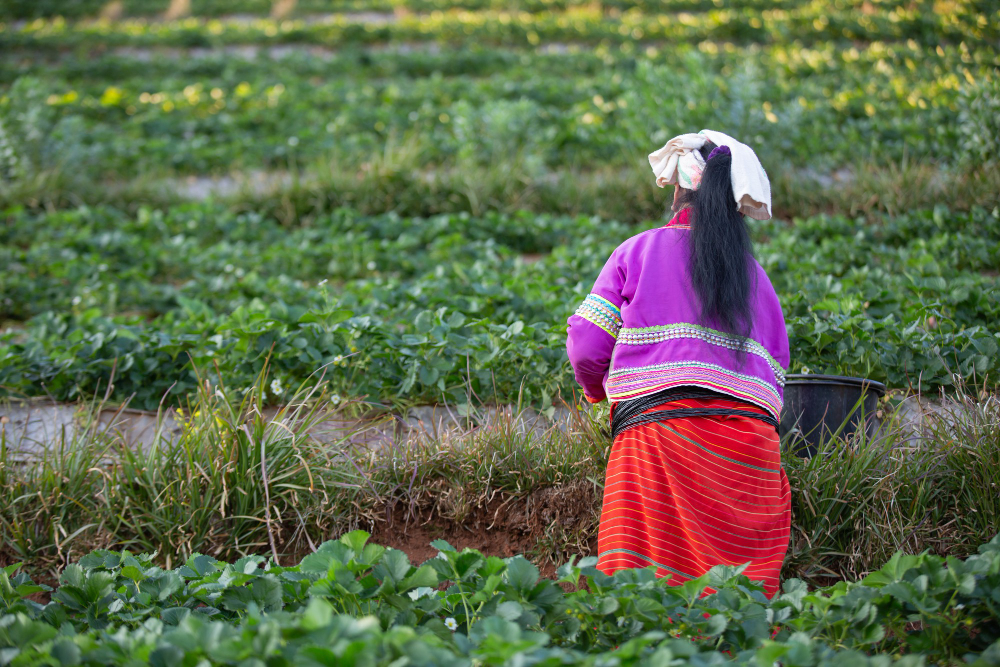
Image Credits: Freepik
Call for the Heart of Climate Action
“Environmental change (…) has specific differentiated impacts on women and girls or on men and boys. Using a gender-specific approach to examine these complex linkages (which may be referred to as the “gender-and-environment nexus”) is therefore an appropriate way to investigate the dynamic relationships between environmental change and gender equality, as well as between impacts on sustainability and the realisation of women’s rights and empowerment.”
Global Gender and Environment Outlook, UN Environment Programme, 2017
Scope of Change
When diving into how policies can reshape the unfavourable repercussions of environmental change, it’s important to consider the Beijing Declaration and Platform for Action. Its commitment to uplifting women’s rights holds special significance in addressing the disproportionate impacts of climate change. Women are more empowered to lead in climate action when they are actively made a part of the processes that affect them. For instance, new policies should pay heed to the insights that women provide from having previously engaged in cultivation.
Identifying gender inequalities that result from climate change creates a space for climate action. Before crafting solutions, it’s imperative to study the environmental aspects of the drivers of change. Sustainable development is hindered when gender gaps are revealed; differences in the management of resources and systems are highlighted. Efforts are being made to uplift the voices of women and enable inclusive decision-making processes. This leads to improved conservation practices while streamlining environmental upgradation for a better tomorrow.
Stalwarts of Climate Action
Despite their limited access to a range of resources, women have shown their capability by managing complex tasks on land. They work together by revolutionising age-old practices to enhance restoration efforts. One self-taught quality from handling climate crises head-on is the ability to adapt quickly. Their resilience is apparent in the way they step up in responsibility at home and extend support to communities at every stage. Recognising as well as honing their skills can help position them as changemakers above being risk-takers, playing a transformative role in disaster management.
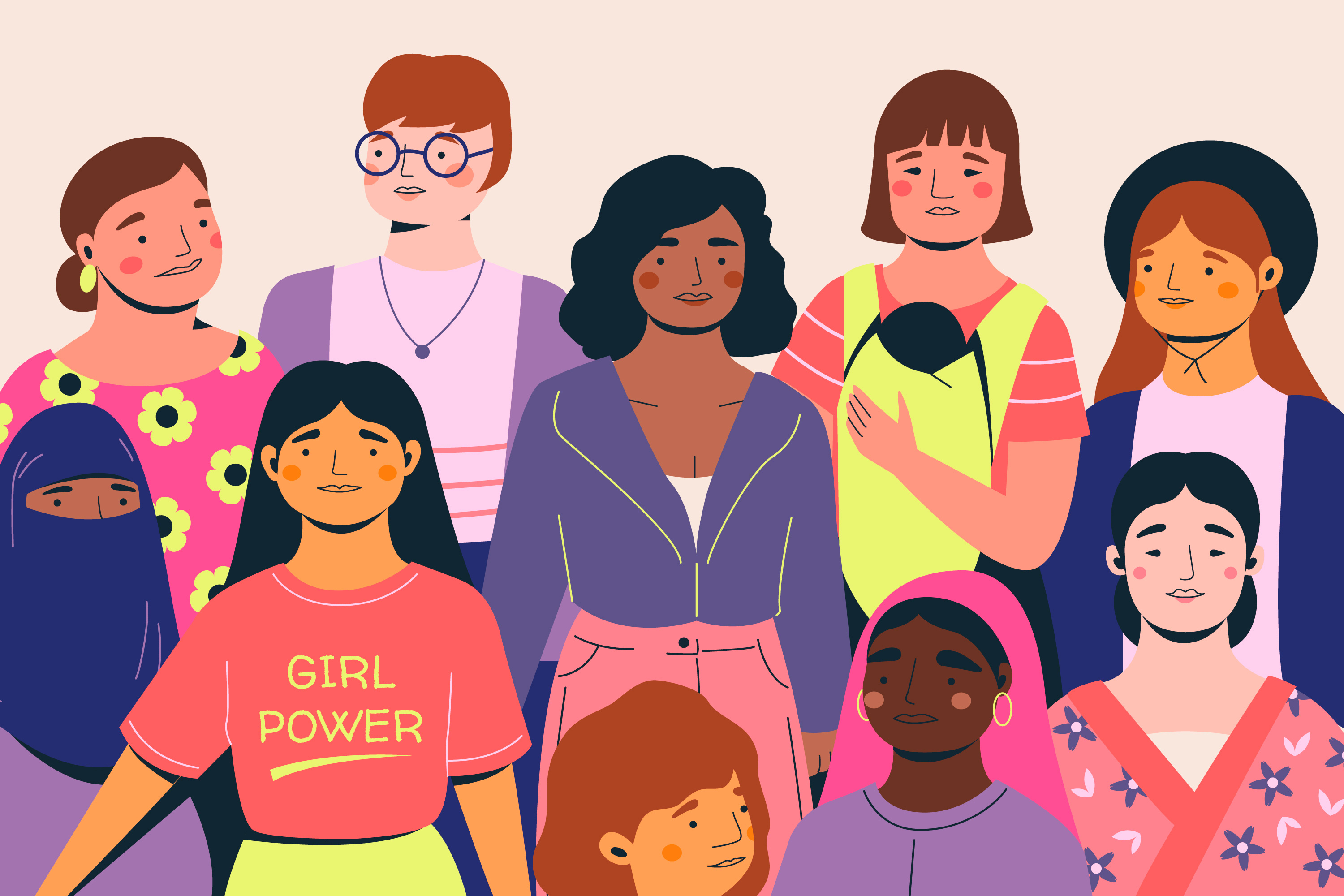
Image Credits: Freepik
Conclusion
Community participation is central to reversing environmental damage and creating a gateway for positive impact. It is observed that the women are underrepresented and hence experience a heavier brunt of climate change. Exposure to climate-change induced natural hazards can increase their vulnerability to severe health, economic and social repercussions. Creating climate solutions that sustain these massive and unequal impacts calls for recognising the capacities of women to accelerate meaningful action.
