


Introduction
It all started when I was younger… and now I’ve started this article like I’m in a session with my therapist. I’ve been there far more times than you could ever imagine. “You’re getting too fat,” “Your hair could be longer,” “You would look so pretty if you were three kilograms lighter,” – trust me, girl, that’s not a compliment. It’s a backhanded comment that should never be taken positively. These small comments may seem harmless on the surface, but when they pile up, they become something serious and life-threatening if you keep sweeping them under the rug.
It took me years of therapy and hours of mindfulness meditation to step out of this mindset, and to this day, I still struggle to fully overcome body dysmorphia. That’s why we’re going on this journey together today. I’ll be honest–there will be some harsh truths to accept. So, whether you’re just starting your journey to overcome body dysmorphia, or you’re trying to find new ways to tackle it, I’ll hold your hand through this article, and we’ll confront them together. Ready?
Step One: Accepting Body Dysmorphia and What It Is
The first and most important step is understanding it, then accepting that you may be struggling with it. This helps you stave off denial and recognize the patterns you need to break. Recognizing body dysmorphia means staying aware of your thoughts and feelings about your appearance–and understanding that maybe it’s not you, it’s your mindset.
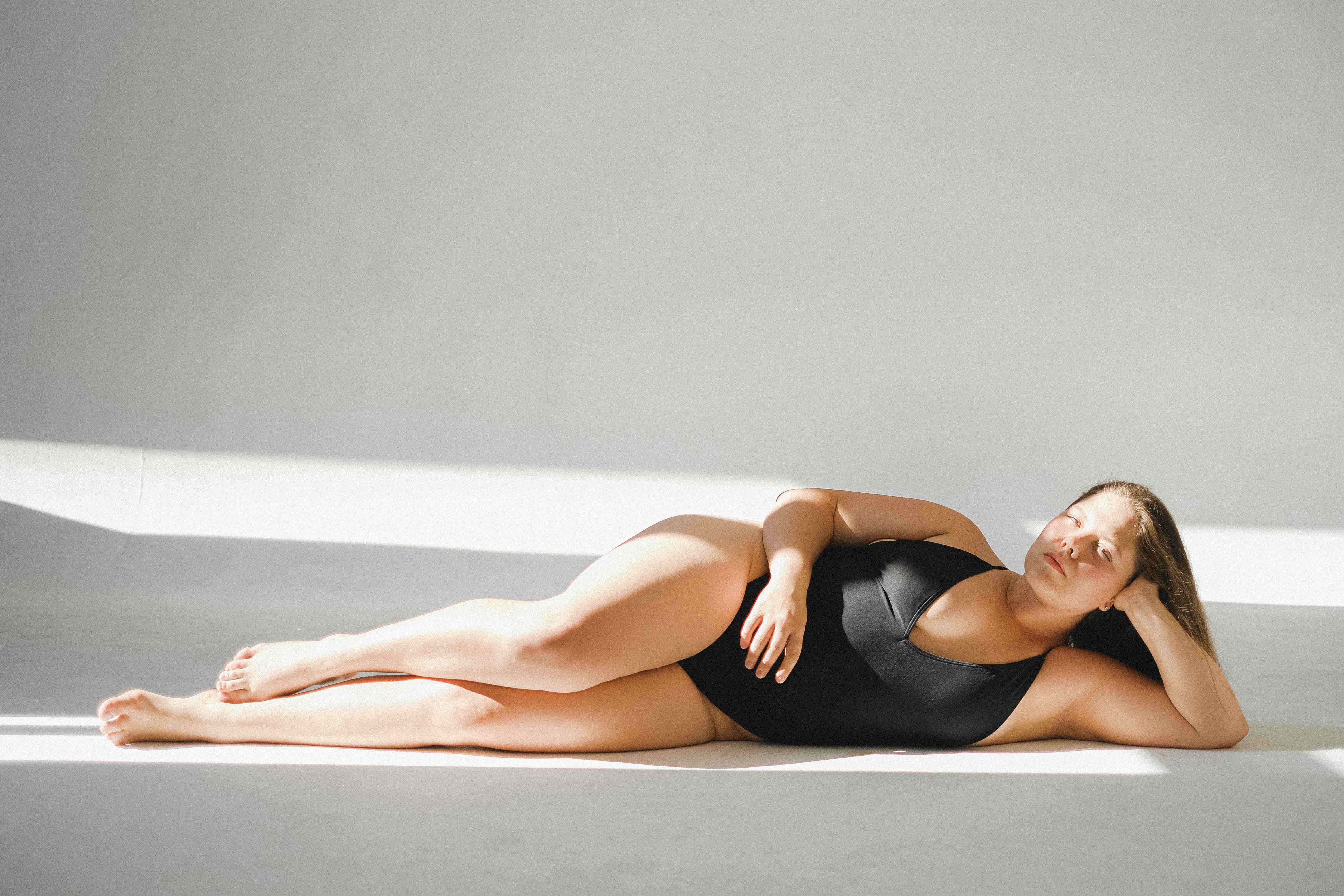
Body dysmorphia, or body dysmorphic disorder (BDD), is a mental health condition where you spend too much time worrying about flaws in your appearance. These ‘flaws’ may seem like elephants in the room to you, but to others, they’re unnoticeable. Body dysmorphia is common in both men and women during their teenage and young adult years. It does not mean you are self-obsessed or narcissistic. It’s life-threatening because it could either lead to self-harm, malnutrition, fatal illnesses, or, in the worst cases, suicide.
Signs of Body Dysmorphia
So, you’re still on the fence about whether you’re struggling with body dysmorphia or just trying to meet your fitness goals. Looking to improve your physique doesn’t automatically mean you have BDD. There are layers, behaviors, and compulsions that turn self-care into toxic body dysmorphia.
Some symptoms of BDD can appear over time or all at once: spending hours a day worrying about how you look, body checking– constantly overanalyzing your appearance in reflective surfaces or cameras– and being so preoccupied that it causes distress in your school, professional, and personal life.
The intensity of these behaviors determines whether you’re dealing with body image issues or severe body dysmorphia. If you resonate with these symptoms, start by seeking support from a professional, or family and friends who accept you holistically.
Step Two: Unlearn and Relearn; Step Out of Your Head!
Body shaming is so out of style. We live in a time where people are unlearning these ‘shames’ and embracing themselves as they are. Even the Met Gala is setting ‘Costume Art’ as its 2026 theme– celebrating your body as art. That brings us to step two: unlearning what you know about body image and relearning your habits from the ground up.

In a world where cosmetic procedures are getting more normalized, view the beauty world through a critical lens. Now, I’m not accusing anyone of getting work done or shaming them for it. Cosmetic surgery is beautiful when it uplifts people to love themselves more, but it can be destructive when you’re struggling with body dysmorphia. Always assume there’s more than meets the eye–that ‘natural’ look might involve filters, strategic angles, undisclosed procedures, or perfect lighting. Social media and editing platforms make it seem like you need certain proportions to be beautiful, but you never know what’s actually going on behind the scenes.
Some celebrities have become transparent about their cosmetic work, destigmatizing surgery and breaking down the notion of ‘perfection’. They demonstrate that their looks are sculpted over time, and not everyone is expected to look the way they do naturally. Dolly Parton and Iggy Azalea, to name a few, are praised for their candor about cosmetic procedures.
Have a Good Body Role Model
Having a good body role model played a huge role in my journey to overcome body dysmorphia. It helped me realize there was nothing wrong with the way I look– everyone just looks different. There are many body sizes, types, and shapes out there, and recently, they’ve even categorized types of ‘pretty’ (isn’t that crazy?). But this helps more than you think!
Understanding your body shape and category of ‘pretty’ or ‘handsome’, lets you strive for beauty in a healthy way. You won’t force yourself to be ‘fox pretty’ when you’re ‘bunny pretty’ –both are beautiful.
Having celebrities as role models who share your body type also helps. When I was younger, I would’ve killed to look like Mila Jovovich and Jessica Alba. Then, I discovered I share a body type with Demi Lovato and Sabrina Carpenter–and that alone helped me overcome so much anxiety about my body. When I see celebrities with my body type getting called beautiful regardless of their size, that’s all the validation I need. If their bodies are beautiful in the eyes of their fans, then mine must be too!via

This doesn’t mean you have to stop watching the Victoria’s Secret fashion show. It just means you tailor your approach. Think: “They have beautiful bodies, and so do I!”, or “I might not be able to rock that look, but she pulls it off so well!”. That way, you’re not putting yourself down, but appreciating your body more.
Step Three: Establish Healthier Coping Mechanisms and Boundaries
Trust me, I’ve done it all. Therapy, lashing out, crashing out, intermittent fasting, strict diets, and starving myself. But I’ll just tell you what actually works in an uphill battle against body dysmorphia: boundaries, speaking out, and healthy coping mechanisms.
Make peace with yourself. Accept that you struggle with body image issues, and work to change your mindset. A little mindfulness goes a long way. Before any event that makes you anxious about your looks, set a mantra. Personally, mine is: “I feel good in my body, I love my body, and my body keeps me alive.” You can make your own, too.
The next time someone comments on your appearance, set boundaries. It will take courage. Your response determines how you feel after, so make sure don’t let shame weigh you down for being called ‘too fat’ or ‘too skinny’. Responses like: “Thanks, I feel healthy, and never better in my body,” help you accept that bodies change. You can’t look the same way you did when you were 15. You’re always at your peak!
Last and most importantly, seek support. Your mother still thinks you look beautiful. Your partner still sees you as the love of their life. Your best friend threatens to shove food down your throat if you call yourself fat one more time– this is love. That’s the attention that should matter. Not a passing comment in a 15-minute conversation with someone you barely see.
Parting Advice
Your body has done so much for you; don’t treat it terribly. Nourish her, take good care of her, and thank her. Practice mindfulness and be aware of your health, what your body tells you it needs, and how it wants to be treated.
Eat the food you like, work out how you want– to bulk? To lose? To build? Up to you alone. Style yourself the way you want and make peace with your appearance. We only live once, and we do so in our own bodies. Be kind to yourself and the body that has endured so much in your lifetime.
