


Wellness culture promised relief, balance, and ease.
Instead, it’s started to feel like a quiet exam we’re always taking, and never quite acing.
Not unwell enough to need help. Not settled enough to feel okay. Just… constantly managing ourselves.
This isn’t because women don’t care about their health. It’s because wellness today often treats the body like something to improve instead of something to listen to. A project. A checklist. A before-and-after waiting to happen.
And living inside a project gets tiring fast.
When Care Slowly Turns Into Optimization
At its best, wellness is about support. Feeling nourished, steady, and at home in your body. But somewhere along the way, it picked up the language of productivity.
Wellness is no longer a subjective experience. It’s now become a process that involves tracking, refining, and optimizing. Everything you do is measured; whether it’s steps, sleep, food, water, mood, and movement. Even rest now comes with rules.
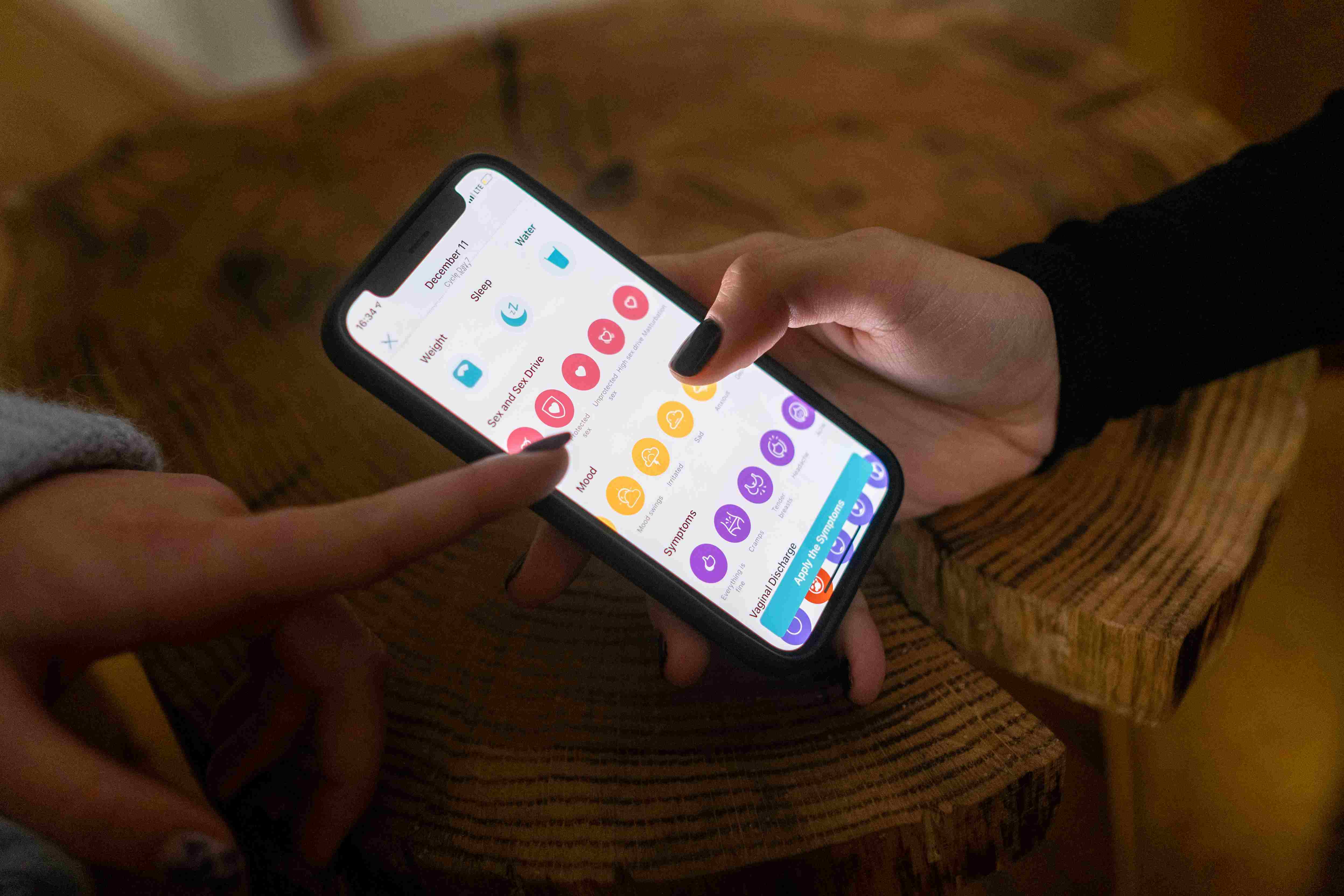
Image credits: Pexels
This creates a subtle but important shift: the body stops being a source of information and starts being something to manage. This shift usually shows up as:
Treating health like something to monitor instead of feel.
Viewing the body as a system to optimize, not a signal to trust.
Feeling responsible for fixing every dip in energy, mood, or motivation.
Assuming that if something feels wrong, you must be doing something wrong.
When care starts to feel like constant correction, it starts to feel like pressure. Wellness becomes less about asking “what do I need?” and more about asking “what am I doing wrong?”
That question alone can be really exhausting.
Why Wellness Hits Women Differently
To understand why this feels so heavy, you have to look at who wellness is landing on.
Wellness doesn’t land on a blank slate. It lands on women who were already taught to be responsible for balance, caregiving, appearance, and harmony.
Women are taught early to monitor themselves. To stay pleasant. To stay composed. To stay low maintenance. Wellness just gives that self-monitoring a softer, prettier name.
So when health advice is framed as personal responsibility without acknowledging context, women absorb the message deeply. Discomfort feels like a failure rather than a reasonable response to stress, workload, or expectation.
This is why so many women are “doing everything right” and still feel tired, disconnected, or quietly off. It’s not because they lack discipline. It’s because discipline is not the same as care.
The Soft Rules That Somehow Still Trap Us
Wellness culture is full of rules that sound gentle but behave rigidly.
Eat intuitively, but also eat clean.
Rest, but stay productive.
Slow down, but keep improving.
Information overload doesn’t make us more intuitive. It makes us second-guess ourselves. And when you're under too much pressure, you don't pay attention to your body better, you turn it off.
When advice constantly contradicts itself, women are left feeling like wellness is something they are almost doing correctly. Close, but not quite.
This creates a cycle where health becomes aspirational instead of supportive.
When “Healthy” Quietly Turns Into Control
This is the part we don’t talk about enough. Sometimes, what begins as wanting to feel better slowly becomes wanting to feel in control. This doesn’t always look extreme. Often, it looks socially praised. Rigid routines, moral food choices, or guilt dressed up as accountability.
Most women don’t set out to restrict or punish themselves. They’re just trying to feel okay in a world that keeps asking more of them. But when flexibility disappears, hunger is ignored, and food starts carrying emotional weight, care has crossed into control.
Image credits: Pexels
Wellness doesn’t cause eating disorders, but it can normalize control in ways that make disconnection from the body feel responsible, even admirable.
Health shouldn’t require shrinking yourself physically or emotionally to count.
Why Women Assume It’s Their Fault
One of the most influential ideas in wellness culture is that health outcomes are primarily the result of personal choices. This idea sounds empowering. In reality, it can be isolating.
When health is framed as individual effort, systemic stress gets cut out from the conversation.
So women do what they have been taught to do: they turn inward. If something feels wrong, they assume they need to try harder. Adjust more. Add another habit.
That’s how wellness turns into self-criticism instead of self-understanding. You can’t optimize your way out of a life that doesn’t leave room to breathe.
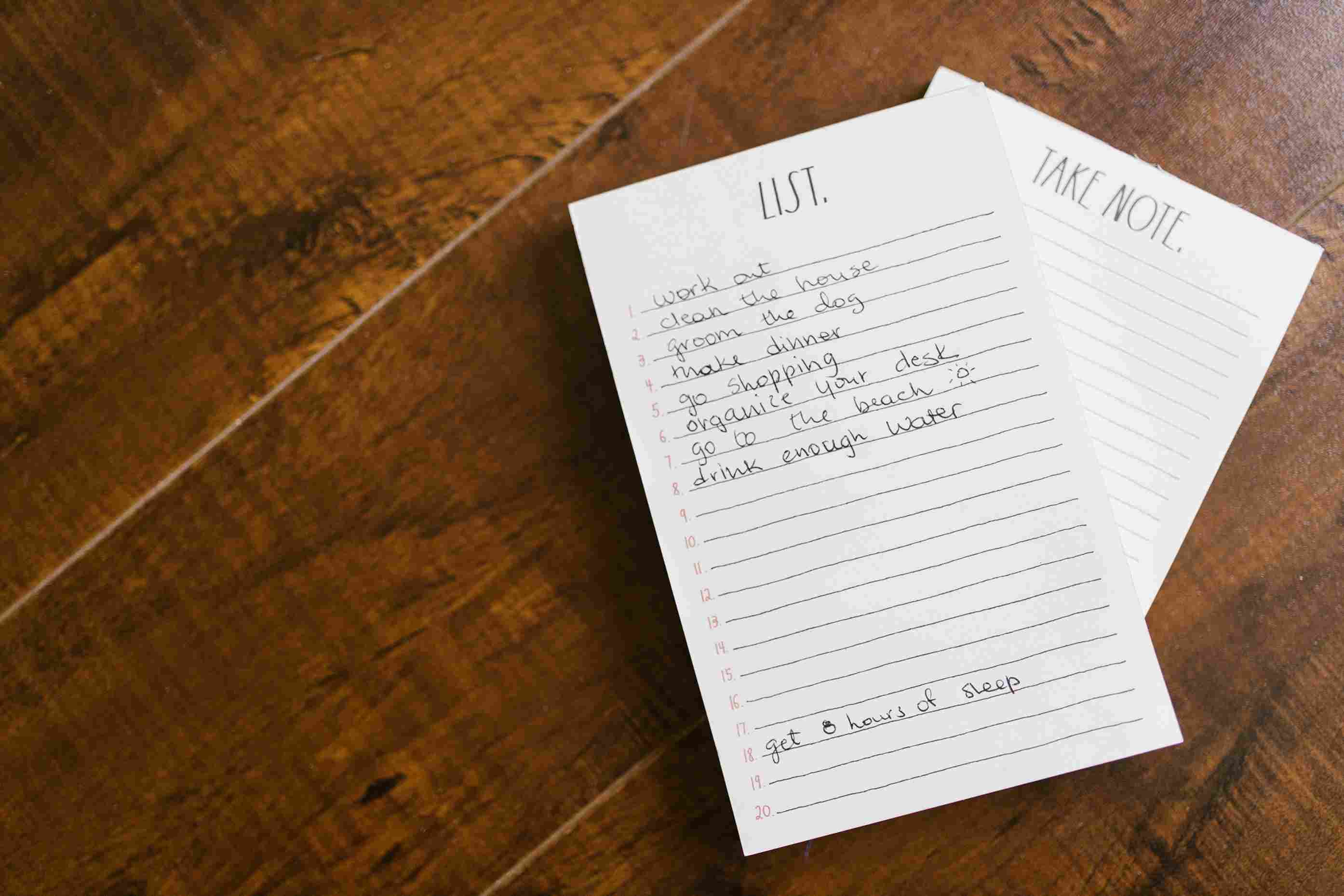
Image credits: Pexels
What ‘Just Take Care of Yourself’ Misses
Wellness is great at offering solutions, but it’s not great at acknowledging context.
It talks about stress without asking why women are under constant strain.
It talks about balance without talking about inequity.
It talks about self-care without asking who is expected to cope quietly.
Wellness culture rarely accounts for:
Ongoing stress from work, caregiving, or financial pressure.
Emotional labour that never makes it onto a checklist.
Safety, stability, and access to real rest.
Bodies responding to overload, not neglect.
When context is ignored, responsibility gets unfairly personalized.
As a result, women are encouraged to self-soothe instead of being supported, and to self-correct instead of being protected.
True wellbeing requires more than personal effort. It requires conditions that allow people to feel safe, rested, and resourced.
A Kinder Definition of Wellness
What if wellness wasn’t about being consistent, but being responsive?
A gentler approach to wellness might mean:
Letting your needs change without calling it inconsistency.
Treating rest as information, not a reward.
Allowing care to look quiet, messy, and unproductive.
Trusting that “less” can still be enough.
Listening to your body doesn’t mean responding perfectly. It means trusting that it’s not working against you.
Care that demands perfection isn’t care.
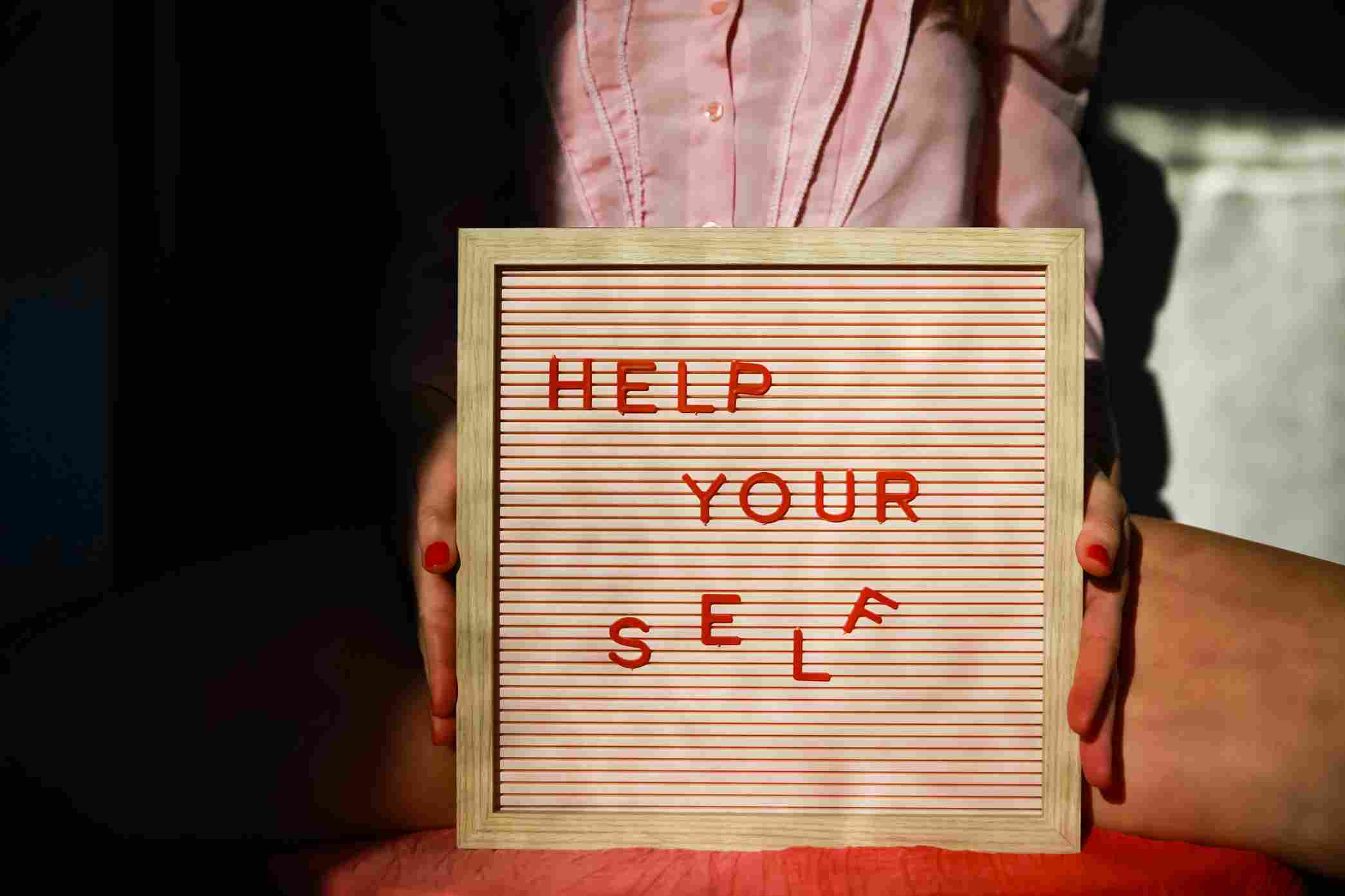
Image Credits: Unsplash
You’re Not Doing Wellness Wrong
If wellness content leaves you feeling anxious, guilty, or behind, that’s not a personal flaw. That’s feedback.
Health isn’t a moral achievement.
Rest isn’t something you earn.
And needing support isn’t weakness.
You’re not failing at wellness. You might just be responding honestly to a culture that asks women to fix themselves instead of questioning what’s exhausting them.
Maybe the most radical form of wellness is this: stopping the belief that you are a problem to solve, and start treating ourselves like someone worth being kind to.
