


Introduction
Modern-day leadership has changed drastically from decades past. Leadership now looks like highlighting empathy, encouraging intentionality, and normalizing accountability. Opportunity without accountability sets us up for failure. Historically, fleet management was an industry that consistently lacked in these areas—especially when it comes to gender diversity. With the knowledge we now have about relationships, human psychology, and team cohesion, we can “raise the bar” to reshape the standards of the entire field.
At PurCo, we are dedicated to creating a company where all voices matter and where women are actively empowered to lead, contribute, and grow.
Why Inclusion Makes Business Better
Many business owners understand the importance of diversity. Diversifying portfolios makes them stronger and more resistant to market turbulence. Management of a company is no different. There is no substitute for diversity.
When decision-makers in an organization all come from a similar background, that creates risk for the company. Without any new perspectives and opinions entering discussions that impact a business’s future, it’s easy for the company to become stagnant and struggle to keep pace with its competitors.
Fleet and operations roles consistently underrepresent women, especially in leadership positions. We need to create space for women in leadership. For PurCo, creating space for women in rooms of influence isn’t simply a matter of policy. It’s one of our major corporate strengths.

Image credits: Pexels
What Support Looks Like at PurCo
Hiring and Advancement with Intention
Because so many of the dated systems businesses use to sift through applications and vet applicants were constructed by men to benefit men, it’s no wonder that relying solely on these old-fashioned tactics fails to be appropriately inclusive of women.
The responsibility to be thoughtful in selecting candidates lies at the feet of the current leadership. Traits like experience and adaptability still play a role, but deeper attention to skills and possible promotions into leadership positions yields stronger hiring decisions in which women are more justly represented.
We start with the hiring. There are various methods for reducing bias in recruitment processes. An example would be to make recruitment from women-focused professional organizations and job boards a regular part of candidate searches. Another option involves anonymizing the application process so that characteristics like the candidate’s name can’t factor into hiring decisions.
And, while hiring and promoting women into leadership positions is key, not setting them up to fail becomes a matter of representation throughout the rest of their tenure. Women in your organization benefit everyone. The same focus on diversity can be adopted for hiring at every level.
A Culture That Listens and Respects
When they feel heard and valued, the trust—and performance—of each worker increases dramatically. Valuing an employee doesn’t only mean letting them contribute to conversations; it means communicating openly with them. Active listening means taking in what people have to say and applying it where it makes sense. These team members should also be given credit and shown gratitude for what they bring to the table.
Model these behaviors during your daily interactions with your colleagues and subordinates. Make it clear that you expect from yourself the same as you expect from other executives and managers on your team. This is how you can create a culture of respect for the entire workforce that goes beyond a formal policy or mission statement. The companies that stand by their words, exemplifying them through actions, are the ones that stand out the most to candidates, employees, and customers alike. PurCo seeks and then stands by these principles to guide our organization forward.
Flexibility That Supports Real Life
For the vast majority of modern industries, there are a multitude of ways for workers to do their jobs more quickly, comfortably, and at lower cost to their employer. Not adopting these higher-accessibility options means shutting out a portion of your diverse talent pool, including women.
Working from home remotely has become an often over-utilized option, and the trend today is to bring people back into the office whenever possible. Virtual work can sometimes be a necessity. Family should be supported even when in-person interaction is more desirable, whenever an employee can clearly demonstrate the need and the employer can accommodate. However, while face-to-face team environments can be shown to be advantageous, virtual work can both eliminate the need to lease or maintain a physical location and enable a diversity of working situations. Many teams can still continue completing tasks at their normal pace, even when one or more members may be out of the office due to unforeseen circumstances, such as childbirth, caring for a loved one, or other real and immediate needs.
This is not always an invitation for everyone to work from home, but this level of flexibility isn’t a favor; it’s an integral part of creating an efficient, modern workplace. Providing structural support for employees helps them do their jobs even better. Everyone benefits from a workplace that adapts to people’s lives instead of just adhering to the old way of doing things.
Leadership Starts at the Top
A company’s culture is always shaped by the example that its leaders set. It’s crucial that those in management “walk the talk” by showing respect, being transparent, and championing fairness through their actions in addition to their words. Work culture isn’t something that’s talked about once or achieved at a single point in time. Work culture is the day-to-day atmosphere that everyone has to contribute to and in which leaders make space for people to grow as professionals.
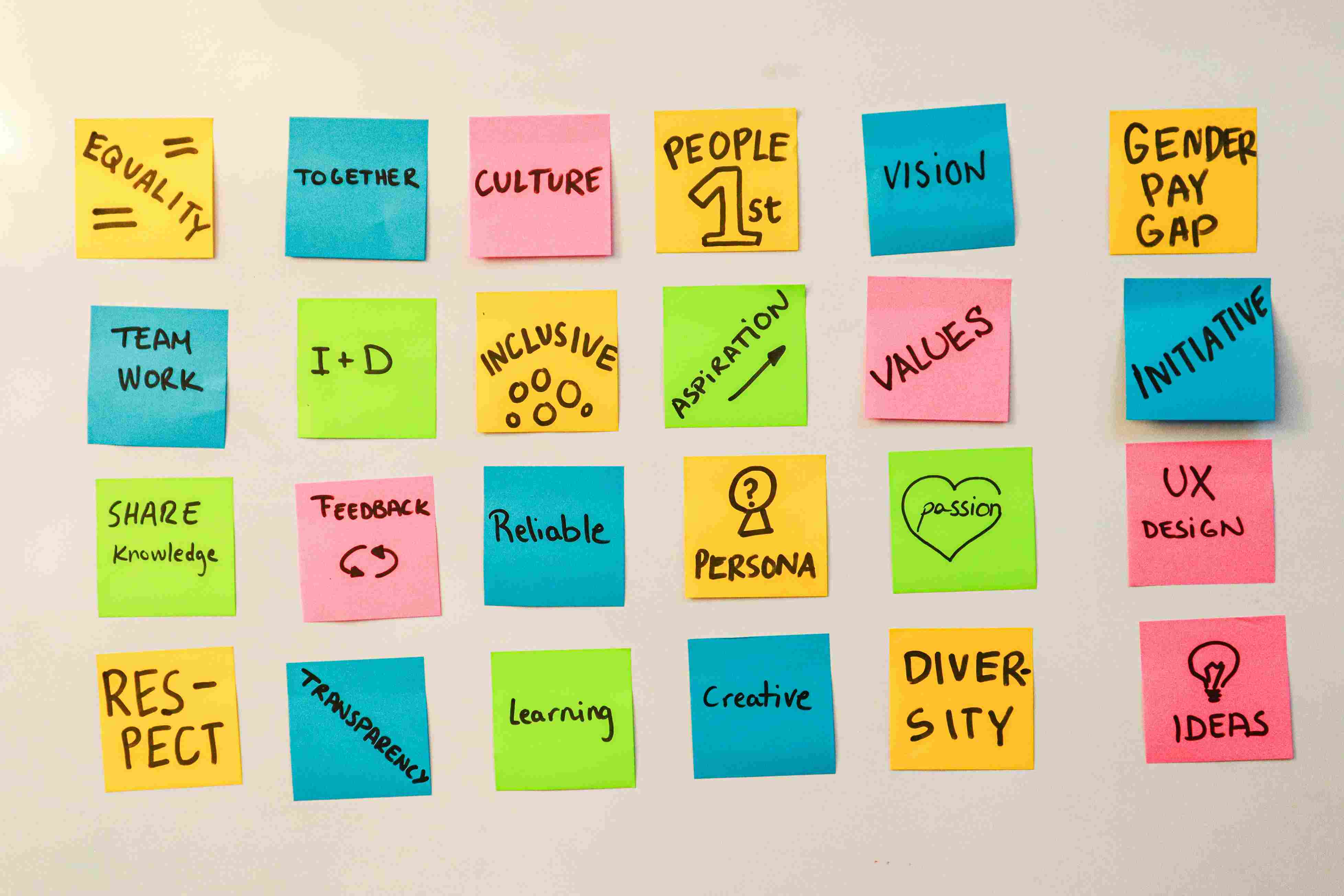
Image credits: Unsplash
A Message to Fellow Leaders in the Industry
Encourage industry colleagues to assess their own corporate environments. Have them consider who has an influential voice, who has the best opportunities, and who seems to be missing from business conversations. Push them to acknowledge that improving culture is an ongoing process that requires raw honesty, personal accountability, and decisive action.
Inclusion is a form of leadership, and the next generation of executives is watching how we lead right now. That’s why inclusion is an investment in longevity, innovation, and trust. If a business has those elements, it is set up to be successful for decades to come.
Conclusion
PurCo supports the hiring of persons without discrimination as to race, color, religion, sex (including transgender status, sexual orientation, and pregnancy), national origin, age (40 or older), disability, or genetic information. That is the easy part and the bare minimum. PurCo goes further by engaging in fair hiring practices, maintaining a respectful work culture, creating a supportive and flexible work structure, and role-modeling leadership every day. This commitment isn’t temporary or surface-level. It’s a foundation that drives our long-term success. A strong team is one in which everyone has the opportunity to succeed and where success is shared across the board.
