


There was a time when lipstick carried far more ideological baggage than a tiny tube of color probably deserved.
Too feminine, and you risked being dismissed as unserious. Too uninterested in beauty, and suddenly you’d “let yourself go.” Lipstick feminism pushed back by making room for women to enjoy makeup, fashion, glamour, pink, and sparkle. They no longer had to defend their intelligence alongside those choices.
The lipstick debate isn’t really about lipstick anymore. The next few years are going to make beauty, femininity, and the idea of choosing for yourself a lot messier.
1. Lipstick Feminism and the Return of Playful Femininity
For a while, the beauty fantasy was to look like almost nothing had happened. Clean skin, slick bun, neutral French tips, a lip color barely different from your own. Everything was supposed to say effortless, even if getting there took twelve products and forty-five minutes.
Now beauty feels more playful. Stronger blush, obvious lip liner, bows, brighter color, and vintage references are all back in the mix.
The old conversation often involved proving that a woman could love feminine things and still be ambitious or powerful. The next phase may be less interested in proving anything. A Barbie-pink dress can make you feel fabulous; enjoying makeup or getting ready doesn’t have to say anything bigger about who you are.
The more interesting question is which expectations come back alongside those aesthetics. Softness and domesticity can be genuinely appealing, but problems arise when they’re treated as rules for how women should behave or live.
Lipstick feminism may get more confident by keeping femininity’s fun parts and being pickier about the rules attached to them.
The bows can stay. The rulebook can go.
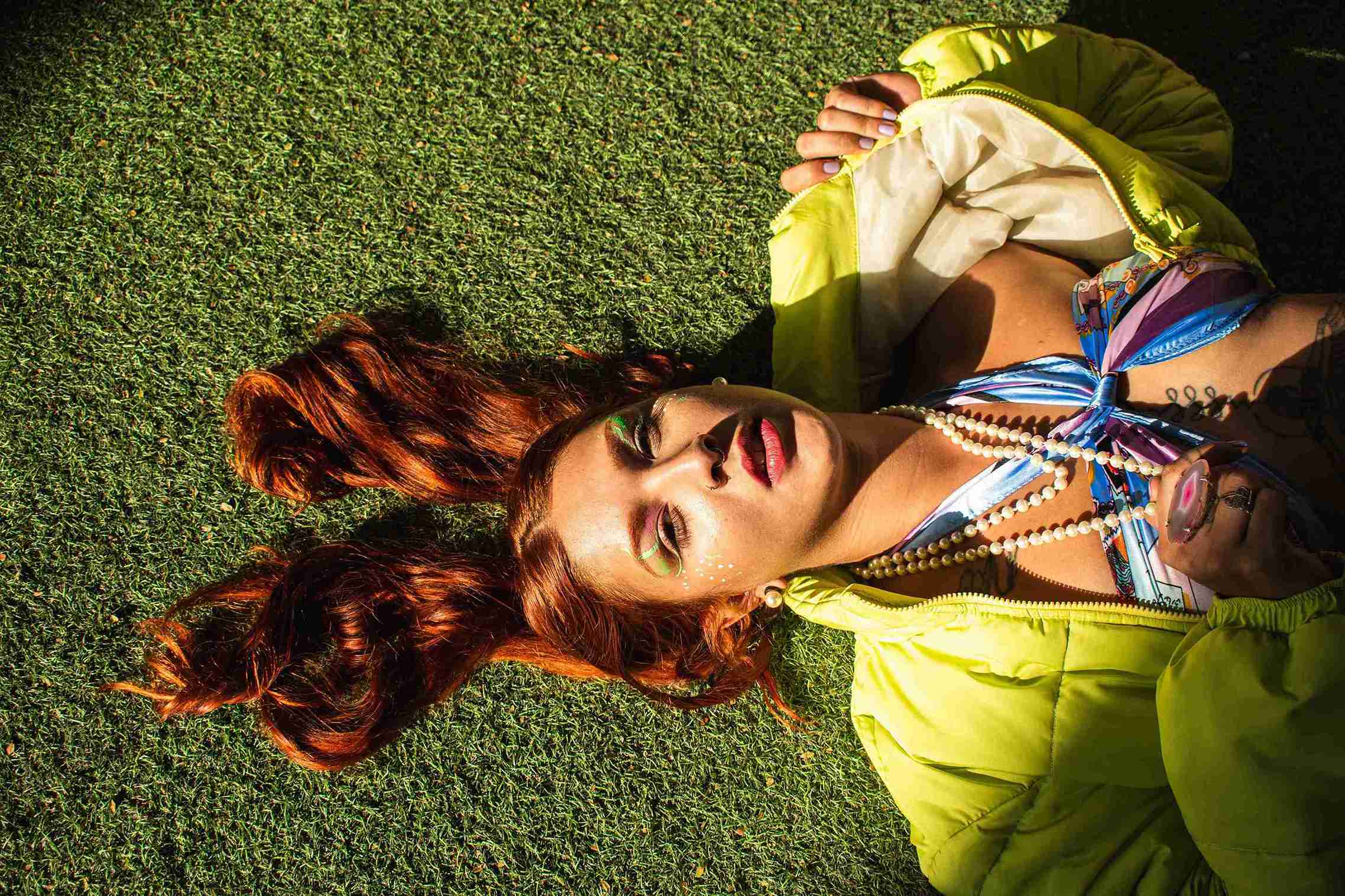
Image Credits: Pexels
Alt text: Lipstick feminism represented by a woman in bold makeup and colorful styling lying on grass
2. The Algorithm Is Joining the Group Chat
Choice has always sat at the heart of lipstick feminism. The next five years are going to make “choice” much harder to untangle.
Beauty trends no longer wait for a magazine issue. Your feed can introduce a new insecurity before breakfast and sell you the solution by lunch. One week nobody is talking about any feature. The next, your lip shape has a name and a tutorial explaining how to fake the “ideal” version.
Algorithms learn what keeps us watching, clicking, and comparing. AI takes that further. Research into AI beauty filters has linked their use with idealized self-perceptions, appearance anxiety, and self-discrepancy.
Beauty literacy might become just as important as beauty freedom. That could mean getting better at noticing a few things:
When inspiration starts turning into dissatisfaction. Learning a new liner trick is fun. Being repeatedly shown tiny ways your face could supposedly look “better” is something else.
When personalization starts shrinking your idea of beauty. If your feed keeps serving the same faces and features, one specific look can start to feel universal.
When experimenting starts feeling like maintenance. Beauty is supposed to be a space for play. It gets a lot less fun when every new trend gives you another part of yourself to manage.
None of this means TikTok is evil or that trying a viral blush placement means the algorithm has won. Trends have always shaped taste. What’s different now is how intimate and repetitive they’ve become.
Lipstick feminism may need a new kind of awareness: enjoying what’s trending without letting our feeds invent new problems.
3. Femininity Is About to Have a Much Bigger Cast
The classic image of lipstick feminism has always been a little narrow: bold lipstick, conventionally attractive woman, confidence restored.
But femininity is getting harder to squeeze into one face, which is probably a very good thing.
Inclusion in beauty is starting to mean more than seeing yourself reflected in an ad. It can also mean being able to use the product independently. Beauty conversations now span skin tone, age, disability, culture, body type, and gender expression. Accessible beauty is bringing packaging and usability into the picture as well.
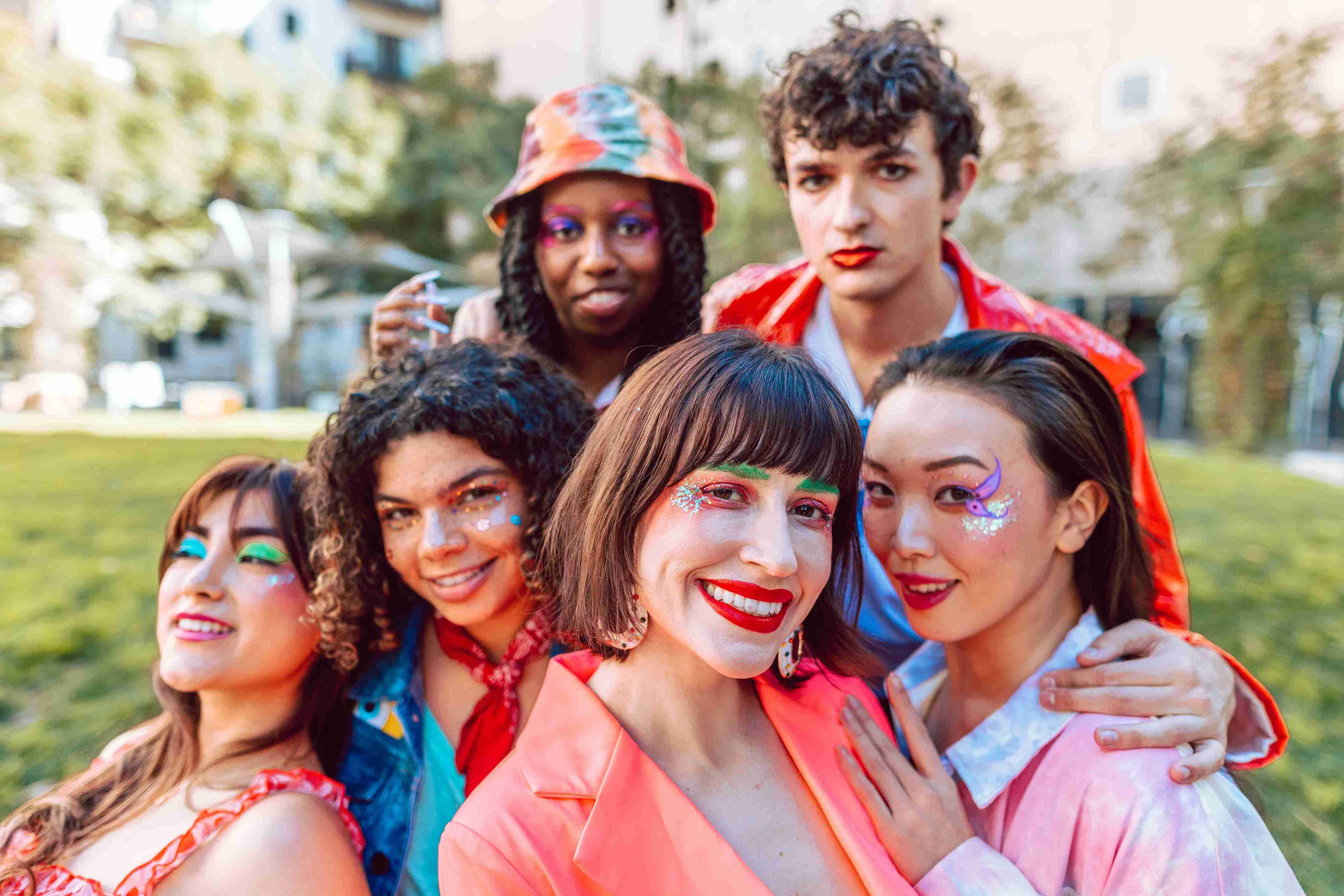
Image Credits: Pexels
Alt text: Diverse cultural group of people wearing colorful makeup and expressive fashion outdoors.
That changes who gets to shape femininity in the first place. Cultural beauty rituals can take up more space beyond Western trend cycles. Older women can enjoy color without treating every sign of aging as something to correct. Trans women and disabled beauty lovers get to be part of that picture too. So do people whose bodies and faces were never treated as the beauty ‘default.
There probably won’t be one face of femininity five years from now, and we want to keep it that way.
4. “Empowerment” Might Finally Leave the Shopping Cart
Beauty brands are very fluent in confidence, self-love, authenticity, and empowerment. All lovely ideas. Also very convenient words to place above an Add to Cart button.
The global beauty market is still growing, and social commerce has made buying products ridiculously easy. Something can appear in a GRWM and land in your cart before you remember you own three similar versions.
That speed is fun, but it also makes overconsumption easier to ignore. Conversations around packaging waste and refillable beauty are growing alongside endless launches and micro-trends. Lipstick feminism’s next challenge may be learning to separate pleasure from purchase more clearly. A serum doesn’t need to ‘unlock’ a better version of you.
A more thoughtful relationship with beauty could mean becoming pickier about what actually earns a place in your routine. There’s something appealing about knowing which products you genuinely love and finishing what already works. It also makes it easier to let viral launches pass without feeling left out.
Nobody needs guilt sitting next to their mascara. But being offered more ‘empowering’ things to buy doesn’t necessarily mean we have more freedom.
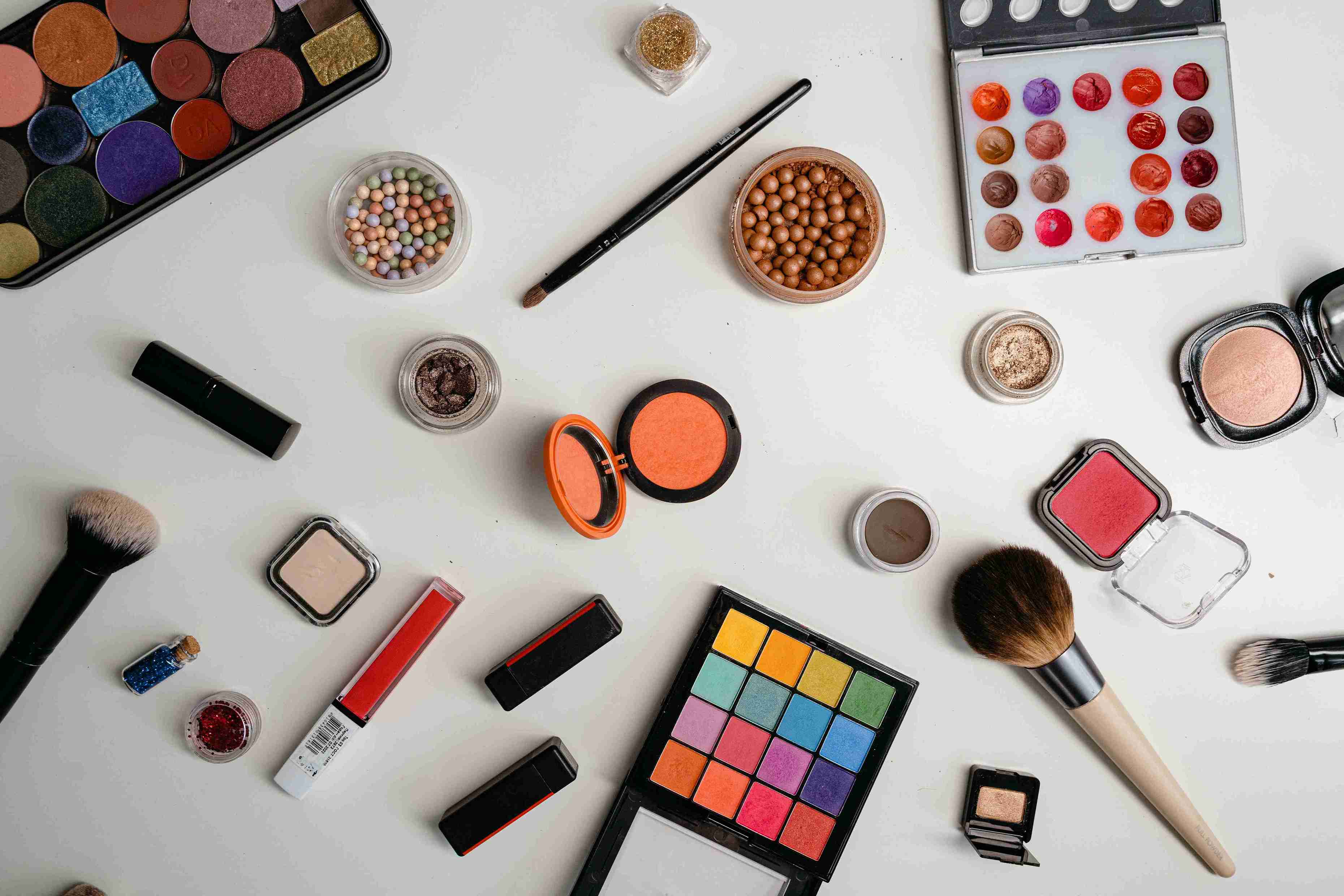
Image Credits: Pexels
Alt text: Collection of assorted cosmetics, brushes, palettes, and lip products for everyday beauty use.
So, What Comes After Lipstick Feminism?
Lipstick feminism helped make room for the idea that loving beauty didn’t make someone less feminist. The next chapter may ask an even better question: who gets to define femininity anyway?
Hopefully, beauty still gets to be fun in the middle of all that. Wear the lipstick. Or skip it. Age visibly. Dye your eyebrows pink because Tuesday felt boring. Whatever!
The important part is knowing when a choice still feels like yours.
