


Ovulation gets filed under "only matters if you're trying to conceive," but that's selling it short. Your mid-cycle symptoms are talking to you way before a pregnancy test ever comes into the picture. The discharge, the cramps, the sudden 'why do I look this good today?' energy. Your body isn't being extra.
Once you know what to look for, it says a lot, about your hormones, your stress levels, your overall reproductive health. This is not about spiralling over every cramp or stalking your period app full-time. It's about noticing your patterns, because your cycle isn't random. It's data, and sometimes, it's giving you tea.
1. Cervical Mucus Is Your Body’s Fertility Forecast
Let’s start with the sign most people notice but rarely bring up: discharge. Around ovulation, cervical mucus often changes. It can become clearer, wetter, stretchier, and more slippery. There’s the famous “egg-white” texture that sounds clinical until you are suddenly checking your underwear like it holds breaking news. This shift happens as estrogen rises, helping create a more sperm-friendly environment. Translation: your body is prepping for its fertile window.
But the deeper clue is not just whether you see stretchy mucus once. It is whether it feels consistent for you, cycle after cycle. When fertile mucus that's usually there for you disappears for a few cycles, pay attention. Stress, hormonal shifts, dehydration, medications, birth control, and irregular ovulation can all be behind the change.
Also, discharge should not come with chaos. A sudden strong odor, itching, burning, irritation, grey or green discharge, or a cottage-cheese texture isn't ovulation. That's infection or inflammation soft launching. Discharge itself? Totally normal. Discharge that hurts, burns, or just feels wrong? Time for an OBGYN visit.

Image Credits: Pexels
Alt text: Open pomegranate on a pink background, representing ovulation symptoms and changes.
2. Ovulation Cramps: Normal Sign or Red Flag?
Some women can actually feel ovulation happening. It may show up as a one-sided cramp, pinch, or ache in the lower abdomen or pelvis — usually around the side where an ovary is releasing an egg. Basically, your body is sending a very specific mid-cycle update, also called mittelschmerz.
Mild ovulation pain can be normal when it is quick, familiar, and doesn't hijack your day. It might come with light spotting, clear stretchy discharge, or lower back discomfort — all little clues that ovulation may be happening. But severe pain, pain that's new or getting worse, pain with fever or nausea, pain that won't go away, or pain with dizziness or heavy bleeding is different. Don't wait it out. Pain like that can sometimes be ovarian cysts, endometriosis, or another underlying condition worth checking up.
3. Mood, Energy, Libido, and Skin Can Reflect Hormonal Shifts
Ovulation can have a real main-character effect. Some people feel more social, confident, flirty, creative, or energized around the middle of their cycle. Skin may look clearer, workouts may feel easier, and your “I am that girl” energy may suddenly clock in for duty.
Your hormones are basically running two different shows this month. Before ovulation, it's estrogen's turn, and it tends to bring the good stuff: more energy, more confidence, more social ease, and a libido that shows up uninvited but not unexplained, it's your fertile window doing exactly what it's built to do. After ovulation, progesterone takes over. For some women, that's a quiet, steady phase. For others, it's bloating, sore boobs, headaches, mood swings, or a sudden and very real need for everyone around them to lower their volume.

Image Credits: Pexels
Alt text: Woman surrounded by colorful light and words representing mood and emotional shifts.
What matters more is intensity and pattern. Some moodiness or tenderness is normal cycle rhythm. But extreme anxiety, intense sadness, severe acne, exhaustion, or symptoms that feel disproportionate showing up every ovulation week? That's worth flagging to a doctor. Stress, sleep, nutrition, thyroid issues, and other hormonal patterns can all be behind it.
PMOS (the official rename of PCOS) is a good example, it can disrupt ovulation and comes with irregular periods, acne, excess hair growth, and higher androgen levels. But to be clear, one breakout does not equal a diagnosis. It means ovulation symptoms become more useful when you track them over time instead of dismissing them as random.
Your hormones are not your enemy. They are communicators. And sometimes the message is: babe, something needs support.
4. Tracking Ovulation Is Not Just for Pregnancy Planning
Ovulation tracking has been marketed so heavily around fertility that it can feel irrelevant if pregnancy is not on your mood board. But tracking ovulation can also help you understand your health.
No need to become a full-time period cycle analyst, unless that's genuinely your thing. The little things are often the clues: cervical mucus, mid-cycle pain, libido, mood, energy, skin, bloating, spotting, and cycle length. Your basal body temperature may also rise slightly after ovulation and stay up for a few days, like your body quietly confirming, “yep, ovulation happened.”
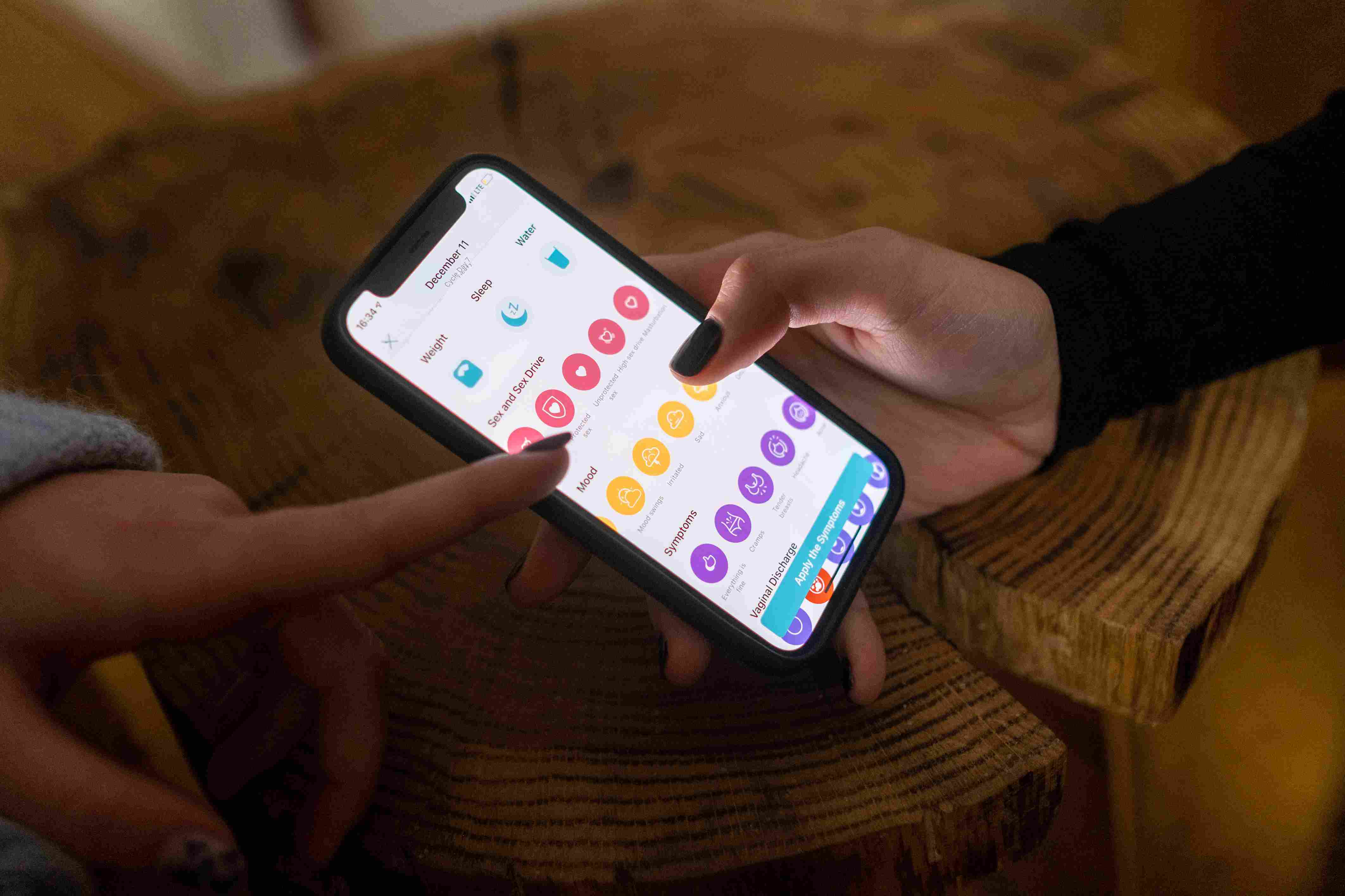
Image Credits: Pexels
Alt text: Woman tracking ovulation symptoms to understand her hormones, menstrual cycle, and reproductive health.
The point is not perfection. It is pattern recognition. Maybe you realize stress delays your ovulation. Maybe your discharge changes when you are dehydrated. Maybe ovulation pain is always mild, until one month it is not. Maybe your cycle keeps stretching longer than usual and your app predictions are basically fan fiction.
Your cycle is basically a monthly check-in with your health, not just an inconvenience to survive. If your periods turn irregular, symptoms shift out of nowhere, your period ghosts you, pain worsens, or bleeding gets unusually heavy, that's your body waving you down for a checkup.
Your Cycle Is Data, Not Drama
Ovulation symptoms are not just mid-cycle static, they're data your body is handing you for free. Hormones shifting, cycle rhythm, stress showing up in ways you might not expect, it's all in there. The goal was never to spiral over every change. It's to know your normal signs, notice the difference, and trust yourself enough to get checked when it counts.
