


A woman labors through childbirth. Suddenly, complications arise, and her doctors urge an emergency cesarean section. Yet her husband doesn't think it is necessary. Sometimes these decisions stem from cultural beliefs. Sometimes he is not ready to bear the expenses. Either way, precious minutes slip away while the person whose life is in danger waits for a decision she is, by law, empowered to make herself.
Scenes like this unfold in hospitals worldwide far more often than most people realize. As a mental health nurse and oncology researcher, I have witnessed countless variations of this pattern. I have seen treatment stall, not for lack of medical clarity, but because a husband, father, or brother had yet to weigh in. I have cared for women whose voices only carried weight when echoed by a man. These moments reveal a troubling truth: women's health concerns are still too often filtered through someone else's authority.
Viewed individually, these incidents may seem isolated. Taken together, they point to a recurring failure to treat women's own accounts as authoritative.
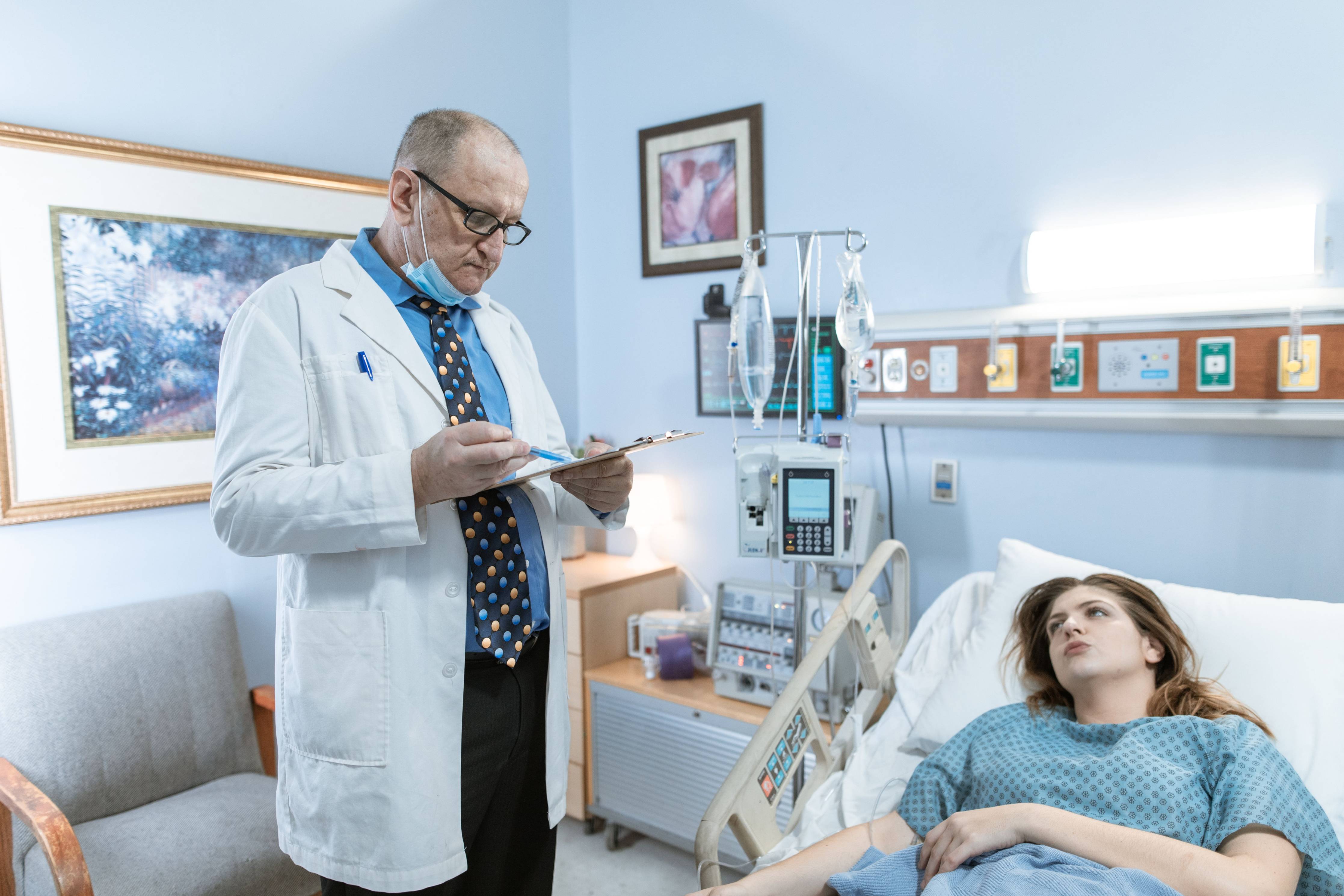
When a Woman's Body Needs Someone Else's Permission
The cesarean section example is not hypothetical. Research from Nigeria has shown that consent for a cesarean section often depends on a spouse's or relative's approval, even though an adult woman with decision-making capacity does not legally need her husband's permission to consent to surgery. The gap between what the law provides and what happens at the bedside can determine whether life-saving treatment arrives in time.
A similar pattern shows up in a very different clinical setting.
Consider a woman diagnosed with breast cancer. She undergoes a mastectomy to save her life. Months later, her marriage does not survive the surgery, even though she does. A Nigerian study of 81 women after mastectomy found that 38.3% reported being divorced or separated from their husbands within three years. The same study found that 67.9% of women felt inadequate as a woman because of the surgery, and 79% experienced a decrease in conjugal relations. For many of these women, survival did not protect them from losing the relationships they depended on.
Both of these examples point to something fundamental: even during a medical crisis, a woman's body is treated as though decisions about it require someone else's approval.
How Gender Shapes Illness Behavior
In health research, illness behavior refers to the ways people recognize symptoms, interpret them, and decide whether and when to seek care. The concept sounds neutral. It isn't. Social expectations, including gender norms, shape how patients, families, and clinicians read symptoms, and this shapes who gets believed.
Research consistently shows that clinicians treat women and men differently even when they present with similar symptoms. Studies on pain show that clinicians minimize women's pain, attribute it to psychological rather than physical causes, or leave it undertreated, even when clinical findings are comparable to those of men. A 2023 study published in the Journal of Experimental Social Psychology identified a 'gender-pain exaggeration bias,' a tendency to assume women overstate or dramatize their pain more than men.
The pattern shifts in mental healthcare, but does not disappear. Research shows that clinicians diagnose women with depression more often than men, even when both present with identical symptoms or identical scores on standardized measures. A separate analysis of psychiatric diagnostic data found that women receive a depression diagnosis 73% of the time compared to 62% for men presenting with similar symptoms, pointing to a pattern of over-medicalization of women's distress.
The result is a double standard. Clinicians dismiss women's physical pain as emotional, while they treat women's emotional experiences as the primary or complete explanation for symptoms that deserve broader investigation. Both responses come from the same root assumption: that women are less reliable reporters of their own bodies.
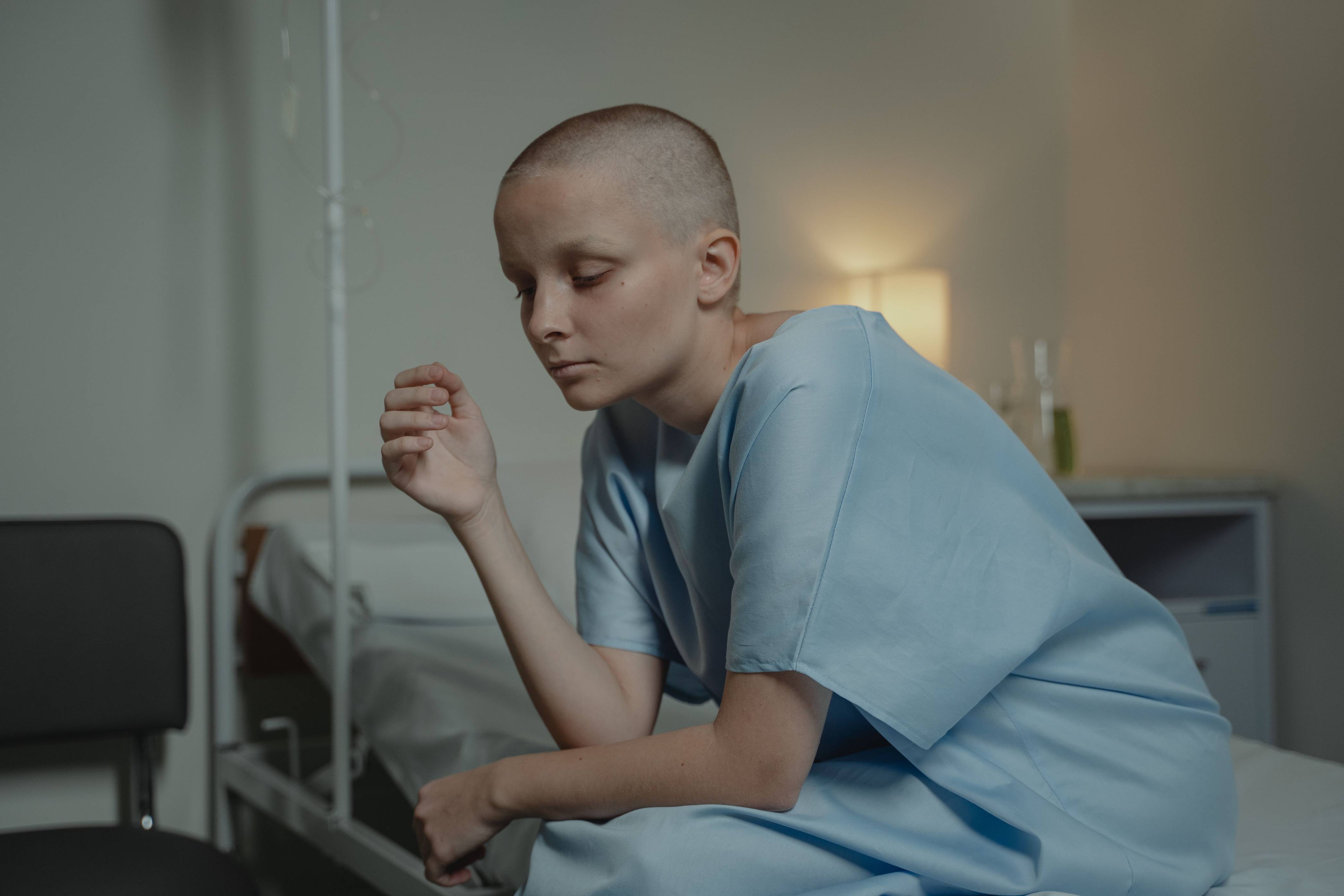
A System Built Around Someone Else's Approval
Individual clinical bias does not fully explain these patterns. The evidence base that informs clinical practice also carries gaps. Sex and gender differences remain underrepresented across many areas of clinical and mental health research, which means diagnostic frameworks, prescribing guidelines, and treatment protocols have not always accounted for the full complexity of women's biology or lived experience.
Clinical practice does not exist independently of culture. In many settings, people treat decisions about women's healthcare as matters that require consultation with husbands, fathers, or other family members. When this expectation runs alongside gaps in the evidence base, a woman's relationship status quietly shapes the care she receives. Single women hear questions about who will care for them after treatment, as though recovery requires a designated guardian. Married women experience delays while family members deliberate, even when urgent intervention is clinically indicated.
None of this requires assuming malicious intent. Many clinicians and family members genuinely believe they act in a woman's best interests. That is precisely why these patterns are difficult to recognize. They rarely appear as overt discrimination. They show up as concern, caution, tradition, or a desire to involve family in important decisions.
What Needs to Change
Addressing these patterns does not require sweeping reforms alone. It also requires changing everyday clinical practice.
It starts with treating a woman's account of her symptoms as clinical evidence rather than emotional expression. It means asking women directly what they want, rather than assuming someone else's approval is needed. It means building research that accounts for sex and gender differences, so that clinical practice draws on evidence that reflects the people it is meant to serve.
Most importantly, it requires recognizing that being someone's wife, daughter, or mother does not reduce a woman's capacity to make decisions about her own healthcare. Those relationships deserve respect, but they should never determine whether clinicians trust a woman's judgment about her own body.
Until that changes, many women will continue to wait longer to be believed, longer to receive appropriate treatment, and longer to exercise rights that should never have been in question.
