


The Enigma Unveiled: Sensitivity versus Specificity in Women’s Worlds
The two contrasts that set a human apart are sensitivity and specificity. While both remain the fundamental aspects of human behaviour and experience, they represent different motivations through the lens of psychology and philosophy. Far beyond medical jargon, sensitivity captures the raw intensity of feeling every emotion in the moment, while specificity demands precision and detail. In the context of the contemporary world, they serve as unspoken manuals for how women should navigate life.
In today’s era, women lead rather frantic lives to assert work-life balance. This state of being is often characterized by running on fumes, building quiet resentment, and juggling demanding roles with scant support. Exhausted and increasingly embittered, they manage careers, caregiving, emotional rigor, and societal standards all while being told to “take care of themselves.” In pursuit of some elusive perfection, the present moment slips away unnoticed.
Compounding this, women carry wounds from early life, be it painful childhood memories, relationship betrayals, and system failures. This leaves them feeling perpetually unsafe and often unwanted. Yet the society imposes a rigid rule which states that healing must be swift, visible, and nearly timid.
The Upturned Reality: Navigating Through Hurt
While chasing a spellbound reality, we tend to ignore our present. Unable to heal from experiences that sparked from an early age, women cease to feel secure. Stemming from ancestral trauma, inconsistent upbringings, and patriarchal norms, core wounds include the “mother wound”, “unworthiness wound”, and “sisterhood wound”. Women rarely heal from these wounds overnight. Healing doesn’t mean that sadness, anger, or fear disappear entirely. Rather, it means that emotions no longer control you. Thus, such emotions emphasize on the fact that healing isn’t a straight line; it’s a spiral staircase, where you circle the same points repeatedly, but each time you’re a little higher up.
What does it mean when someone says “healing isn’t linear”? It means that healing takes time and the progress isn’t always visible. With each step, though, you feel a little bit better. When people say that healing isn’t linear, they mean that it doesn’t follow a consistent, step-by-step path from bad to good. No guidebook lays out an easy sequence to move from unhealed to healed. The journey is tough, you must confront your pain head-on, seldom more than once. The bad things that happened to you in the past can still hurt you today. They can resurface anytime. Learning to recognize these patterns is key to breaking free.
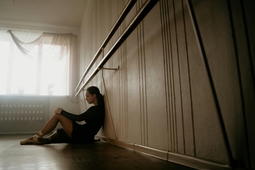
Decipher Linearity Through the Lens of Emotional Health
Linearity in emotional health varies across generations i.e. the Gen-Z is often labeled as boldly outspoken about mental health, while millennials hold the resilient reputation. Today’s young women embrace openness, unafraid to voice the pain. In hindsight, older women were taught to be strong and quiet, handling heartbreak alone, without a word. Neither approach tells the full story. Notably, no single, gender-neutral metric can define the depth of emotional well-being. Women, for instance, may navigate and overcome obstacles rather differently than men; calling for tailored frameworks to assess each authentically.
Women Are Strong: A Performative Playbook
Through the lens of heartbreak’s gender divide, storms hit her harder; society says “bounce back”. Neuroscience research at Binghamton University found that women experience emotional pain from a breakup more intensely than men in the immediate aftermath. However, the same research found that women also recover more completely over time, while men often carry unresolved grief longer. So women feel harder and heal deeper and yet, the social script demands they snap back faster.
Heartbreaks don’t hit both the genders the same way, that’s not sentiment but science. Women feel the storm all at once. The phrase “women are strong” was never meant to be a cage. Yet somewhere along the way, it morphed into one. Strength, for women, shifted from an internal well to a public spectacle: a costume, a reputation to uphold no matter the wreckage beneath. Enter the performative playbook, an unwritten script demanding resilient on cue, recovery on schedule, all without ruffling feathers.
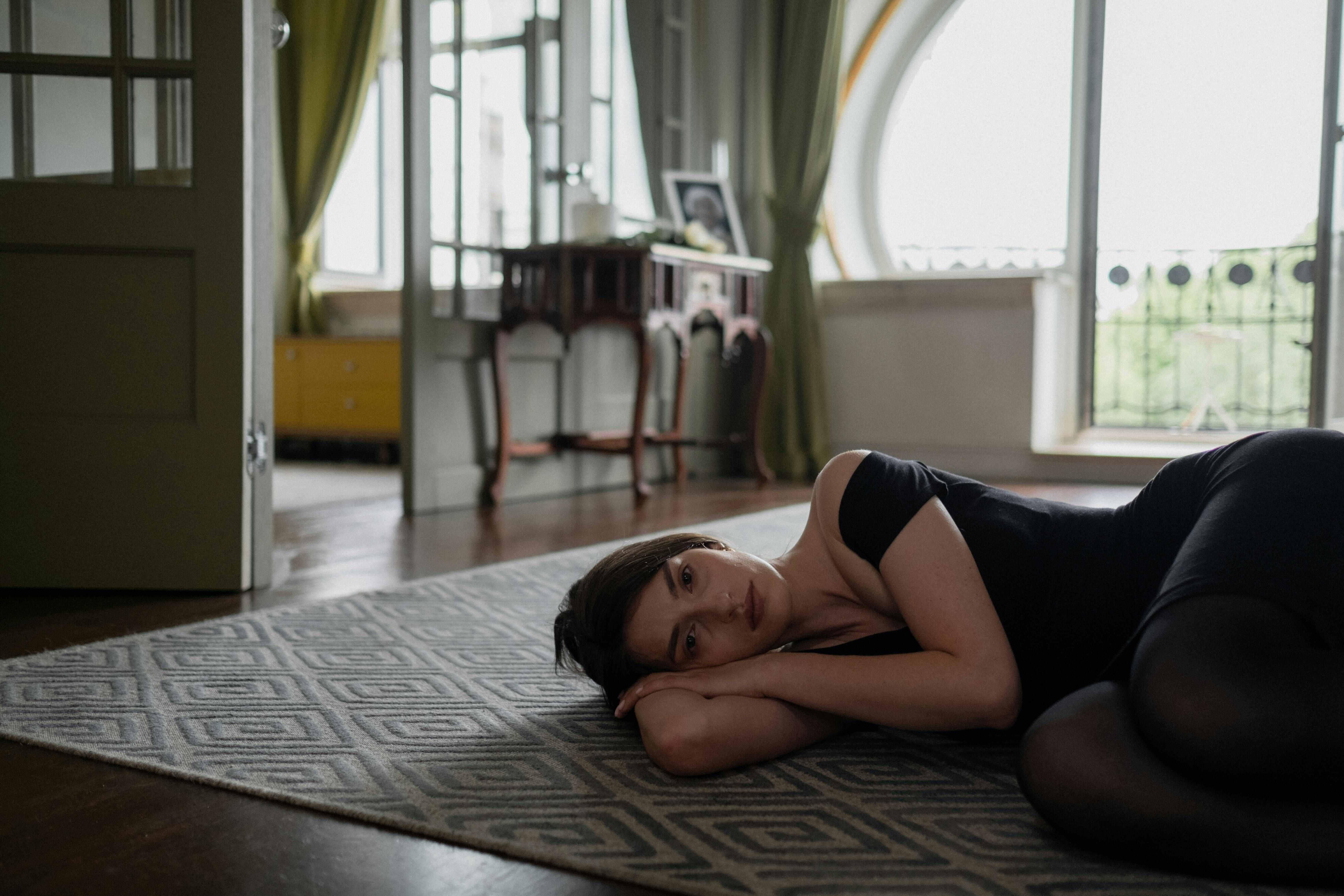
The Dance of Strength Across Generations
Women are the driving force in our families and communities. Yet daily life thrusts them into relentless conflicts including motherhood demands, marital expectations, the perfect boss facade, all while suppressing their own emotions. Trauma researchers reveal we all struggle to balance the notions of “good” and “bad” feelings, cycling through until embracing the bad paves to true recovery.
A 2020 study uncovered women often delay seeking help for their struggles. Even when the weight becomes unbearable, they tend to brush it under the rug, often undermining and thereby dismissing their own emotions. In essence, help must feel safe first. Many women hesitate because their body remembers what happened last time, the unruly pain that left them seeking for reassurance. In a way, asking for help gets construed as weakness. In truth, when women do ask, they heal more fully in the long run. This takeaway? Take your sweet time, do the work; rushing rarely works.
Concluding Enigma
When we discuss healing, remember that men and women heal differently, and women face unique burdens. Don’t judge her pace, don’t call her out, support her from a distance and she’ll come around. She grapples with pressure men never encounter. Even when the progress feels stalled, healing hums beneath. It sheds the layers of progress we once knew, for newer beginnings to arise. To say that least, revisiting pain isn’t failure, it’s diving deeper, unearthing roots for ardent despair; it’s a small win. Patience isn’t weakness, its profound strength, the quiet rebellion against the performative script.
