


Last month, a friend in her late 20s told me something surprising. She uses digital platforms for almost everything: booking flights, cabs, getting groceries, making payments, and even tracking her expenses. Yet when she wanted to invest, she hesitated.
"What if I choose the wrong fund?"
“Is it even safe to invest?”
“Can you explain the difference between SIPs and FDs?”
She didn’t invest that month. Or the next month. Not because she couldn't afford to, but because nobody made her feel like she could.
This may seem trivial. After all, she is an educated, financially independent urban woman. Yet her uncertainty points to a much larger and complicated reality. Access to financial services does not automatically translate into confidence and financial agency when using them.
And if financial decision–making can intimidate urban women, the challenge is often far greater elsewhere.
When Access Doesn't Translate into Action
For millions of women across rural India, the challenge begins at a much earlier stage. A woman in a rural household may hold a bank account, but its use may depend on her son, husband, friend, or a banking correspondent. A smartphone may be available in the house, but not necessarily in her hands.
Over the past decade, women’s access to digital technologies has been improved substantially. According to recently released NFHS–6 data, the proportion of women with internet access has nearly doubled from 33.3% to 64.3%. At first glance, this appears to be towards narrowing the digital gender divide. However, this remains untrue. Women remain significantly underrepresented in digital payments, investments, and other formal financial activities.
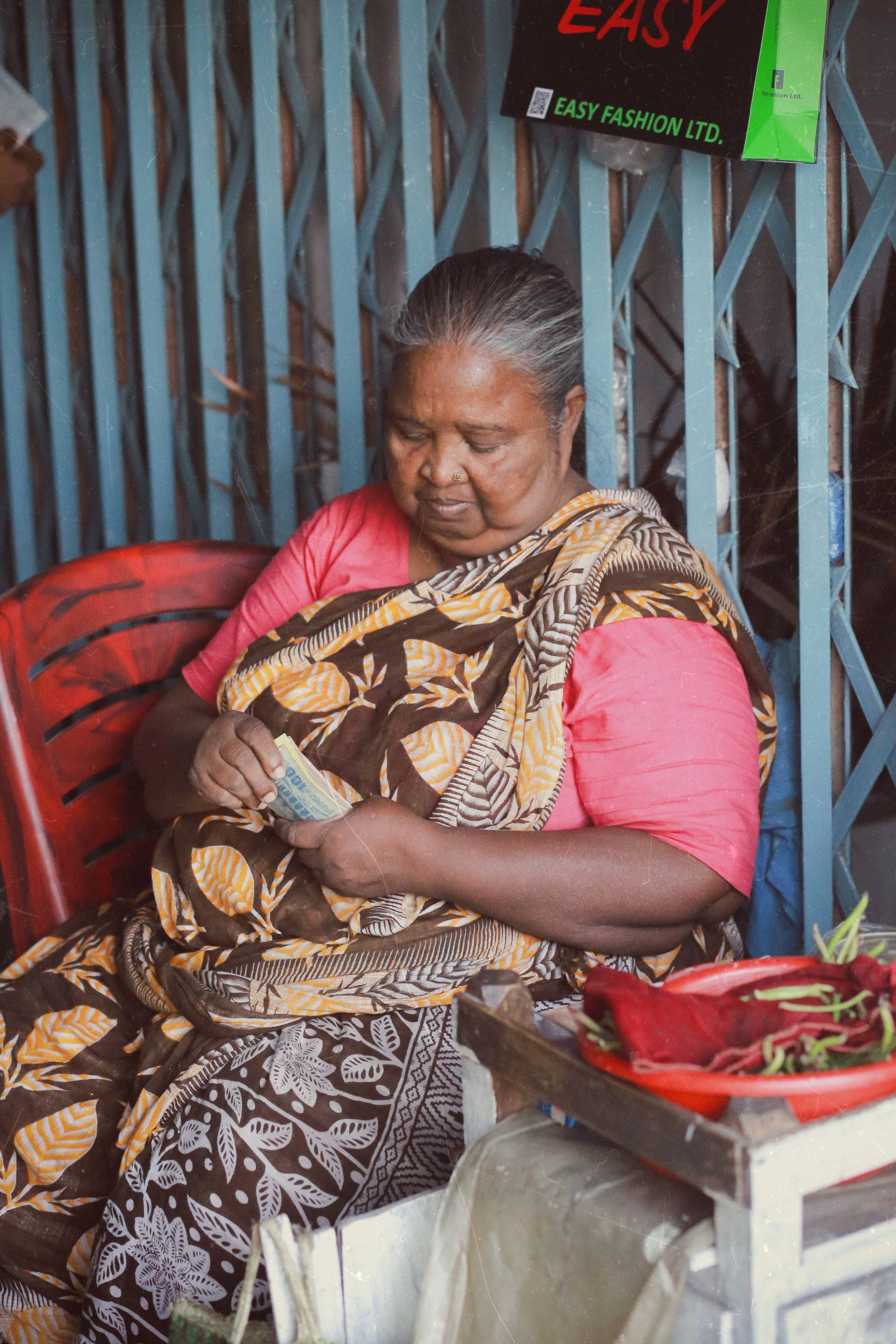
According to the National Payments Corporation and Women’s World Banking, women make up 200 million potential UPI users. They account for just 25% of actual ones. Despite the doubling of women internet users, only 8.6% invest in equities or mutual funds, and only 21% are financially literate. The persistence of this gap suggests that expansion of financial infrastructure is necessary but not sufficient. Women must also possess the knowledge, confidence, skills, and autonomy in decision-making to make use of available financial services. The gap extends beyond investment and digital payments. Insurance – a key tool for financial security reveals similar patterns.
According to IRDAI data, women account for only 34% of life insurance policyholders and less than one-third of health insurance policyholders. What is more concerning is that only 20% of women possess adequate health insurance coverage, leaving a large majority vulnerable to catastrophic health expenditures. These data suggest that women are not only underrepresented in wealth-creating instruments but also in financial protection tools that safeguard long-term security.
Beyond Access: Understanding the Capability Gap
Why, then, does this gap exist despite a decade of sustained financial inclusion efforts? One explanation lies in what Amartya Sen calls “conversion factors” – the individual, environmental and social conditions that determine whether a resource can be translated into capability. He argued that having a resource and being able to use it are two different things. A bank account means little if you don’t control when and how it is accessed.
In this context, access to a bank account or smartphone does not automatically translate into guaranteeing financial agency. A range of challenges continue to shape how, and whether women can utilize the resources effectively.
Financial Literacy: The Missing Foundation
The first is financial literacy. While products have become increasingly accessible, understanding how to evaluate risk, purchase insurance, compare investment options or plan long-term financial plans remains uneven. The consequences are beyond exclusion from the investment ecosystem. Women who lack knowledge are often less likely to use financial products, more vulnerable to fraud, and less equipped to navigate financial shock.
The Confidence Gap in Financial Decision-Making
The second challenge is confidence. A woman knows her SIP has underperformed. But she doesn’t call her advisor- because she thinks it might be too stupid to ask. Research across countries consistently shows that women are less likely to describe themselves as confident investors, even when they possess comparable levels of knowledge. This confidence gap can influence basic spending decisions to retirement planning and investment participation. This result is often delayed decision-making, lower risk appetite and greater reliance on others for financial advice.
When Social Norms Limit Financial Agency
Third, social norms shape financial behaviour. In many households, financial decision-making is concentrated in the hands of male members. While women may contribute to household income and possess bank accounts, they have limited influence in major financial decisions. This also highlights that ownership does not necessarily translate into financial agency.
Designing Financial Systems for Real Users
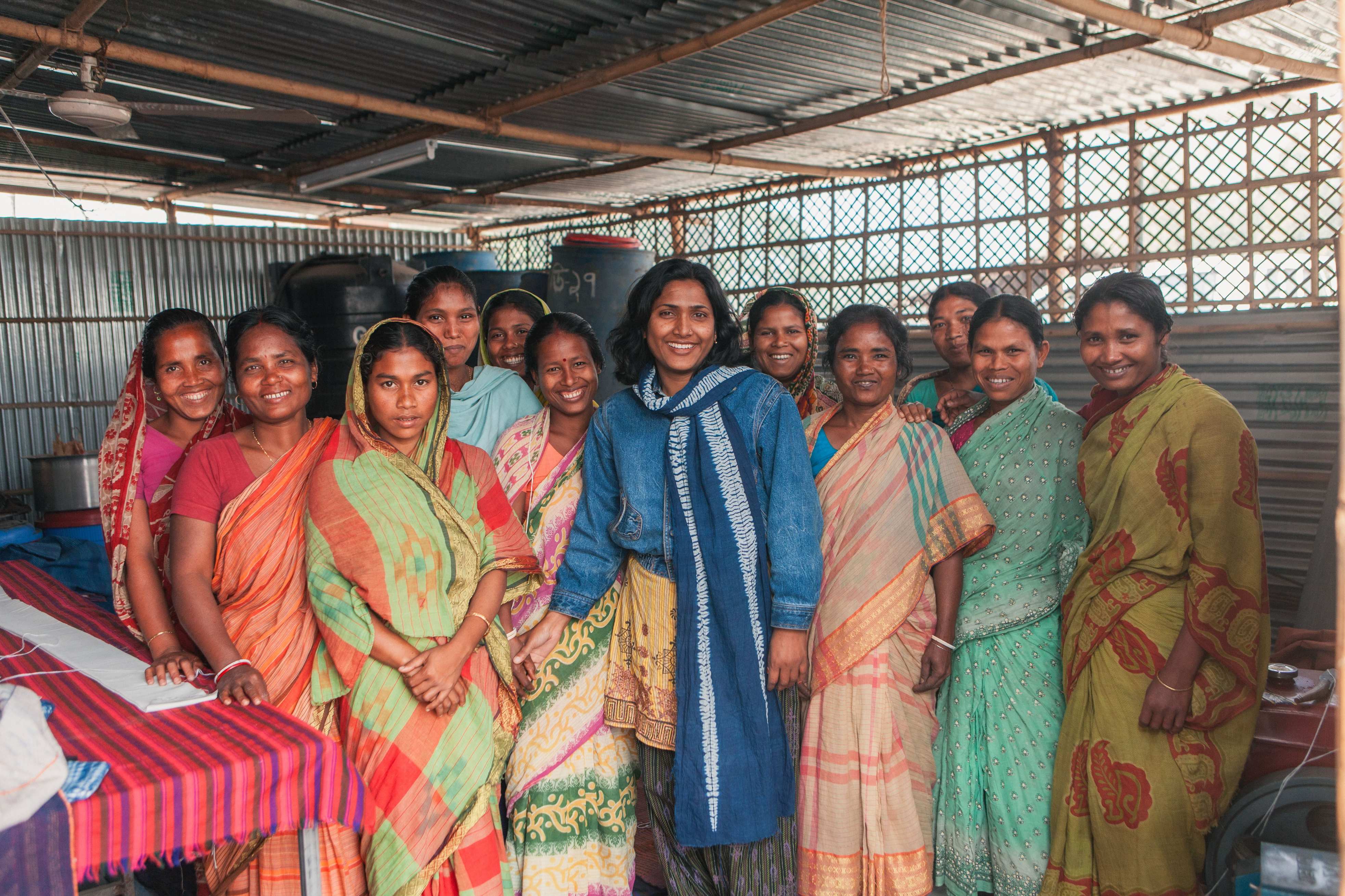
Finally, the design of the financial system itself is flawed. Much of the Indian digital financial ecosystem is built around the assumptions and usage patterns of users from semi-urban and urban settings – users with a certain degree of literacy, familiarity with smartphones, uninterrupted internet services, and access to banks if and when needed. While in case of investment platforms, insurance platforms and digital banking application are also assumed that users are capable of navigating interfaces independently, interpreting financial information, comparing products and identifying potential frauds.
For many first-generation users – especially older women and women from rural areas – these assumptions may not always hold true. This is why the future of financial inclusion cannot be solely measured by the number of bank accounts opened. It must also be measured by whether the women users are able to use the financial tools efficiently and confidently.
In many ways, India’s financial inclusion agenda has reached a turning point. The question is no longer whether women have a seat at the table; rather, whether they have the agency, capability and confidence to get there. To bridge this gap, financial literacy must be treated as an essential foundational skill. After all, access may open the door, but the capability is what allows the women to choose to walk through the door.
1 International Institute for Population Sciences (IIPS) & Ministry of Health and Family Welfare. (2025). National Family Health Survey (NFHS-6), 2023–24: Key indicators report. Government of India.
2 National Payments Corporation of India (NPCI) & Women's World Banking. (2024). Bridging the gender gap in digital payments: Women's participation in India's UPI ecosystem.
3 Standard & Poor's Ratings Services. (2015). Global financial literacy survey. (Frequently cited in Indian financial literacy literature; reports that approximately 21% of Indian women are financially literate.)
4 LXME & Ernst & Young. (2024). Women and investing in India: Closing the financial participation gap.
5 Insurance Regulatory and Development Authority of India (IRDAI). (2024). Annual Report 2023–24. IRDAI; Tata AIG General Insurance. (2025). Women's Health Insurance Index 2025. Tata AIG General Insurance.
