


When someone says ‘feminist strength’, you’re probably picturing raised fists and chanting during a protest, smart, sharp comebacks, and unwillingness to back down– which is valid, by all means. But what if I were to tell you that we’ve been sleeping on one of feminism’s most powerful weapons? What if kindness–yes, kindness– is actually our deadliest weapon? I know what you’re thinking. “Kindness? Soft, saccharine, ‘be a good girl’ nonsense?” But stick with me here, as we flip the script entirely.
How They Sell Us A Lie: Socialization, Bias and Power
Starting with the obvious here: they’ve sold us a lie, and we’ve been played like a fiddle. Society trained us to think kindness is a woman’s job. Like it’s our responsibility, and it’s hardwired into our personalities. They even have a term for it: the ‘women-are-wonderful’ effect. What may sound like a compliment on the surface is way off from what you think. The truth is, that’s benevolent sexism under pretty gift wrap paper and a bow. Sure, women are wonderful– as long as we stay in our lane, smile through all the oppression, and do emotional labor without as much as a peep of complaint.

Historically, this played out exactly how you’d expect. Women were shoved into caregiver roles, told to smooth over conflicts and keep everyone happy. And this wasn’t just a cultural preference. No, no, this was strategic. When kindness becomes a ‘woman’s work’, it justifies paying us less, expecting more, and dismissing our anger as unfeminine or ‘too much’.
Scholars have been calling this out for decades. Women in academia and caregiving professions get pressured to work for peanuts because they’re ‘nurturing’. Meanwhile, women of color get hit with the double whammy–stereotyped as angry or unkind if they don’t perform gratitude 24/7, no matter how oppressive things get.
This history matters because it shows us that kindness isn’t some inherent feminine trait. It’s a performance that got weaponized against us. And that is why reclaiming kindness in our own terms is powerful.
Twisting The Plot: Kindness as Resistance
So, what if we stopped thinking about kindness as passive niceness and started seeing it as a strategic power move?
Feminist kindness isn’t about smiling through injustice or taking mistreatment with grace. It’s about recognition, care, and intentionally building relationships that challenge hierarchy. In feminist spaces–classrooms, organizing circles, activist communities–kindness becomes a tool for coalition-building across differences.
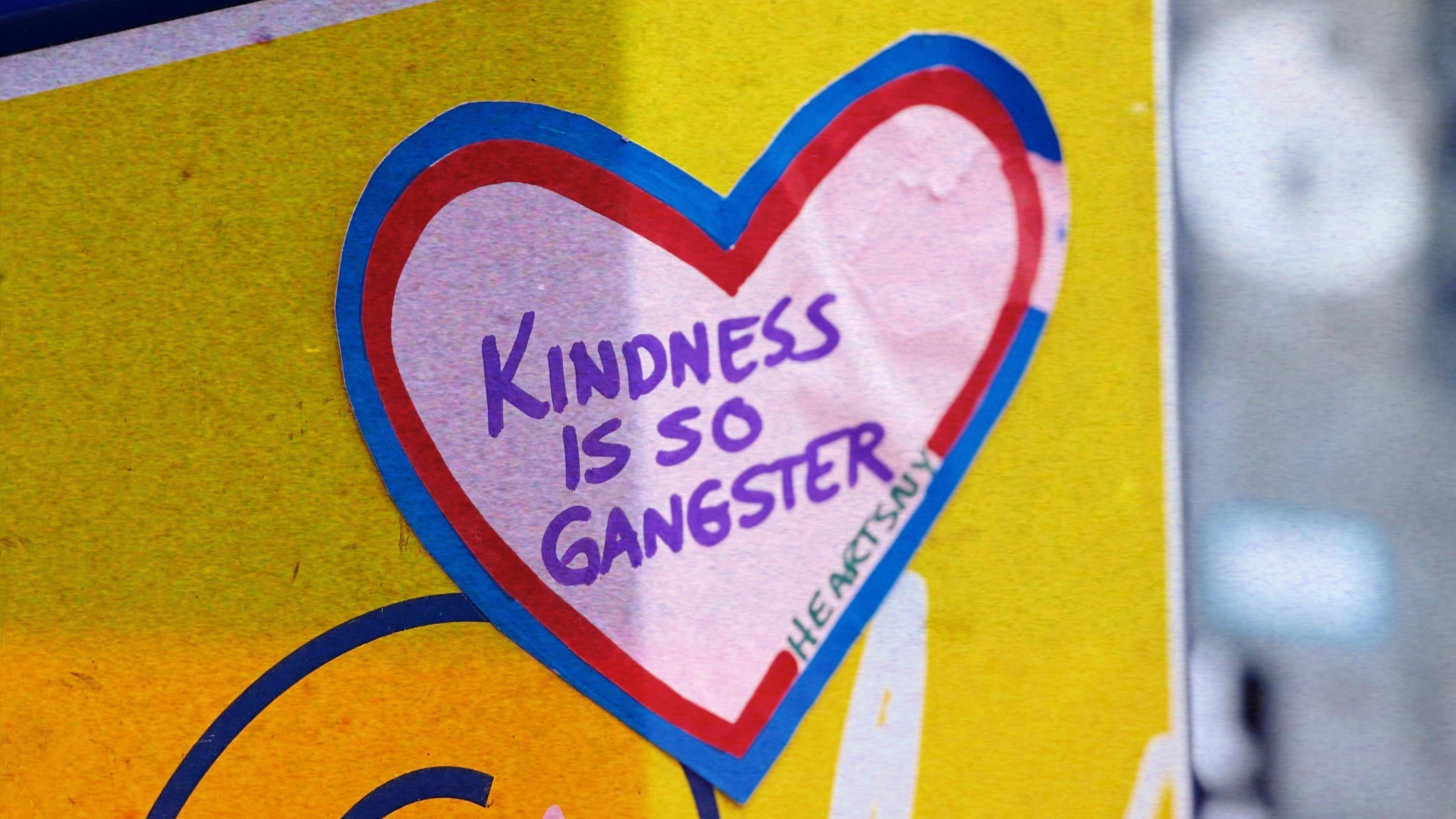
Think about it: patriarchal systems thrive on competition. They pit women against each other for that single throne at the top that belongs to Beyoncé. But the concept of feminist kindness says, “Forget that framework. Why fight over one seat when we could build more chairs?” As writer Sarah Ditum reflects on her own journey away from what she calls “Cool Girl Feminism,” she learned that feminist women didn’t view her as a rival– they wanted to change the world together, to share power rather than hoard it.
In practice, feminist kindness looks like hyping up other women’s leadership even when you wanted that role yourself. It’s all about building mentorship networks that lift everyone up instead of climbing over bodies to get ahead. It’s the ‘radical’ act of believing that your liberation is tied to mine, and we want each other to win.
The power move here is that it fundamentally breaks patriarchal logic. When women refuse to see each other as threats and choose to be kind to one another, we become unstoppable. Way more powerful than any “Cool Girl” playing by men’s rules ever could be.
When Kindness Gets Weaponized
Crucially, we can’t romanticize kindness as some magic that would fix everything. The reality is way messier, and we need to stay sharp about when kindness serves power versus when it dismantles it.
Critics rightly point out that calls for women to “be kind” often function as social control. When women are told to be nice, speak more gently, and avoid conflict, it usually translates to “shut up and accept the status quo.” Suddenly, women challenging harmful policies get painted as mean or unfeminist just for refusing to stay quiet. The message here becomes clear, our kindness is mandatory, our anger is unacceptable.
This is where intersectionality gets real and heavy. Different women experience these expectations differently based on their race, class, sexuality, and other parts of their identities. White women might get encouraged to perform kindness as a feminine virtue, while women of color face stereotypes and get punished for not being warm enough. Working-class women find that being ‘too nice’ gets them exploited, but refusing kindness gets them labeled difficult. I warned you this was real and heavy.
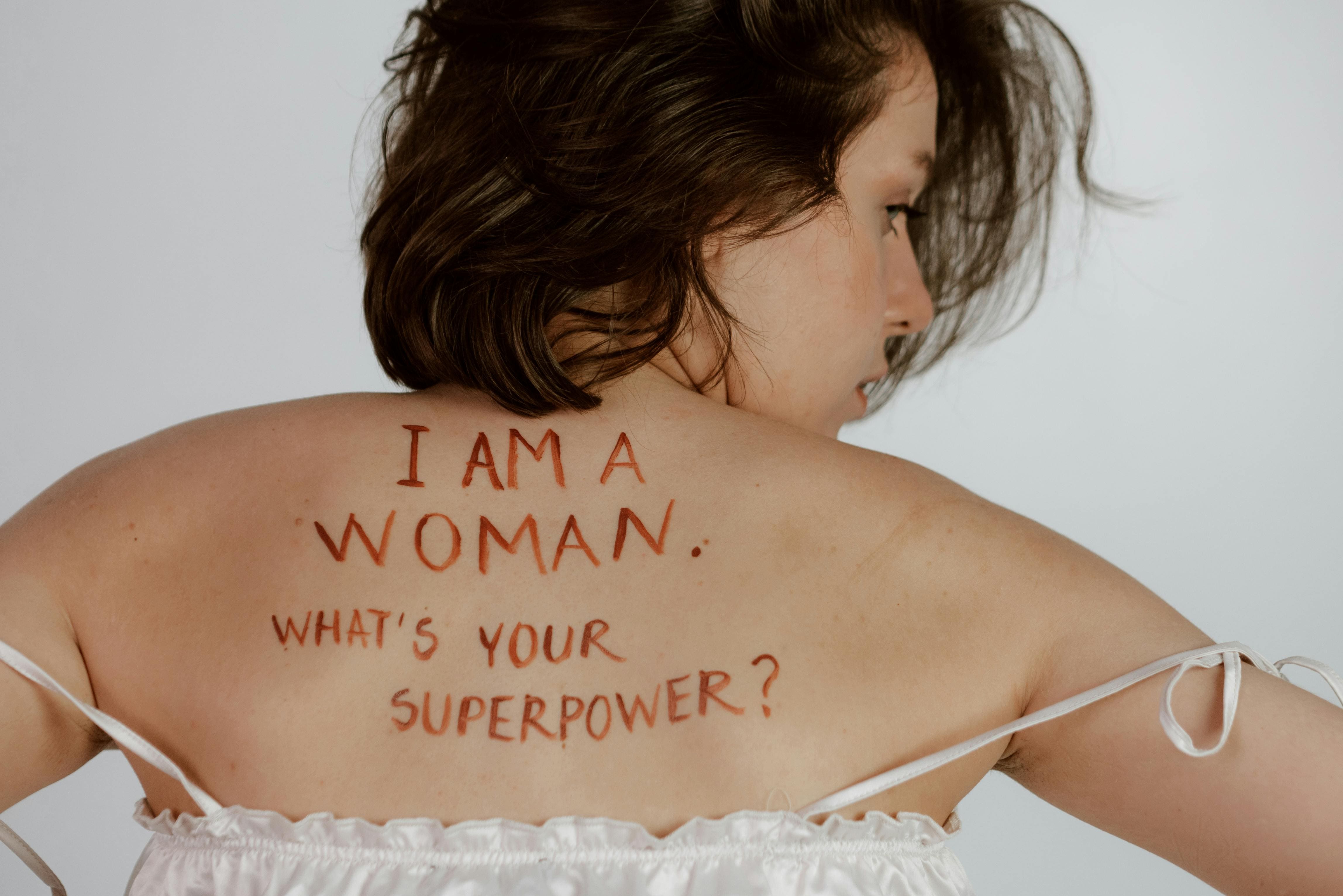
The feminist answer isn’t ditching kindness, it’s contextualizing it critically. Kindness is empowering when it’s paired with accountability and resistance, not used as a replacement for justice. It’s empowering when it comes from genuine care, not fear of being called difficult.
Feminist kindness always asks: Who benefits from my kindness here? Am I building solidarity, or am I keeping myself small?
Redefining What Strength Actually Means
So, can kindness be a form of strength? Of course. But only when we refuse to let it mean what patriarchy always wanted it to mean.
If traditional strength looks like domination, individual achievement, and climbing over others to reach the top, then feminist strength centered on kindness completely rewrites these rules. It expresses that real power isn’t about winning the throne. Real power is dismantling the system that only ever had one throne to begin with.
This matters more than ever because patriarchy has always told us to fight each other for scraps. The feminist answer is to build a bigger table. Strategic, intentional, accountability-driven kindness is how we do that work. It’s how we transform relationships, build movements, and imagine futures where women’s strength doesn’t require abandoning care, empathy or genuine connection.
The most ‘radical’ thing we can do isn’t to become colder and more aggressive. It’s to refuse those terms entirely. Strength includes care. Power includes listening. Feminism includes kindness not as a weakness, but as a profound act of resistance against systems designed to keep us isolated, competitive, and small.
Takeaways
Beyond aggression lies something way more threatening to patriarchy, which is women who are kind to each other, who refuse to play by rules designed to ensure we lose regardless. Feminist kindness creates spaces for resistance; solidarity is the real weapon here.
