


There was already something exhausting about being a girl online before AI entered the chat.
You post a photo and hope it looks good, but not too good. Confident, but not inviting commentary. Cute, but effortless, or at least the performance of effortless. Women spend years mastering this math, and it's an exhausting negotiation between expression and self-protection.
Then AI arrived, and the female body became even more editable.
Not just filtered or retouched, but reimagined. A face can be lifted from a normal photo and placed onto a body someone never consented to. An image can be altered into something fake enough for people to dismiss, but real enough to humiliate, frighten, or damage the person attached to it.
That is the uncomfortable new reality. AI can now create versions of women’s bodies that women never agreed to have. The female body may be synthetic, but the violation is not.
Your Body Is Not a Prompt
AI-generated bodies have created a new consent crisis, especially for women and girls. The issue is not only that technology can produce convincing fake images. It is that some people now treat another person’s image as material they are allowed to experiment with.
A selfie becomes a starting point. A face becomes something to attach, edit, undress, or redesign. The actual person gets pushed out of the frame, while her likeness remains available for someone else’s fantasy.
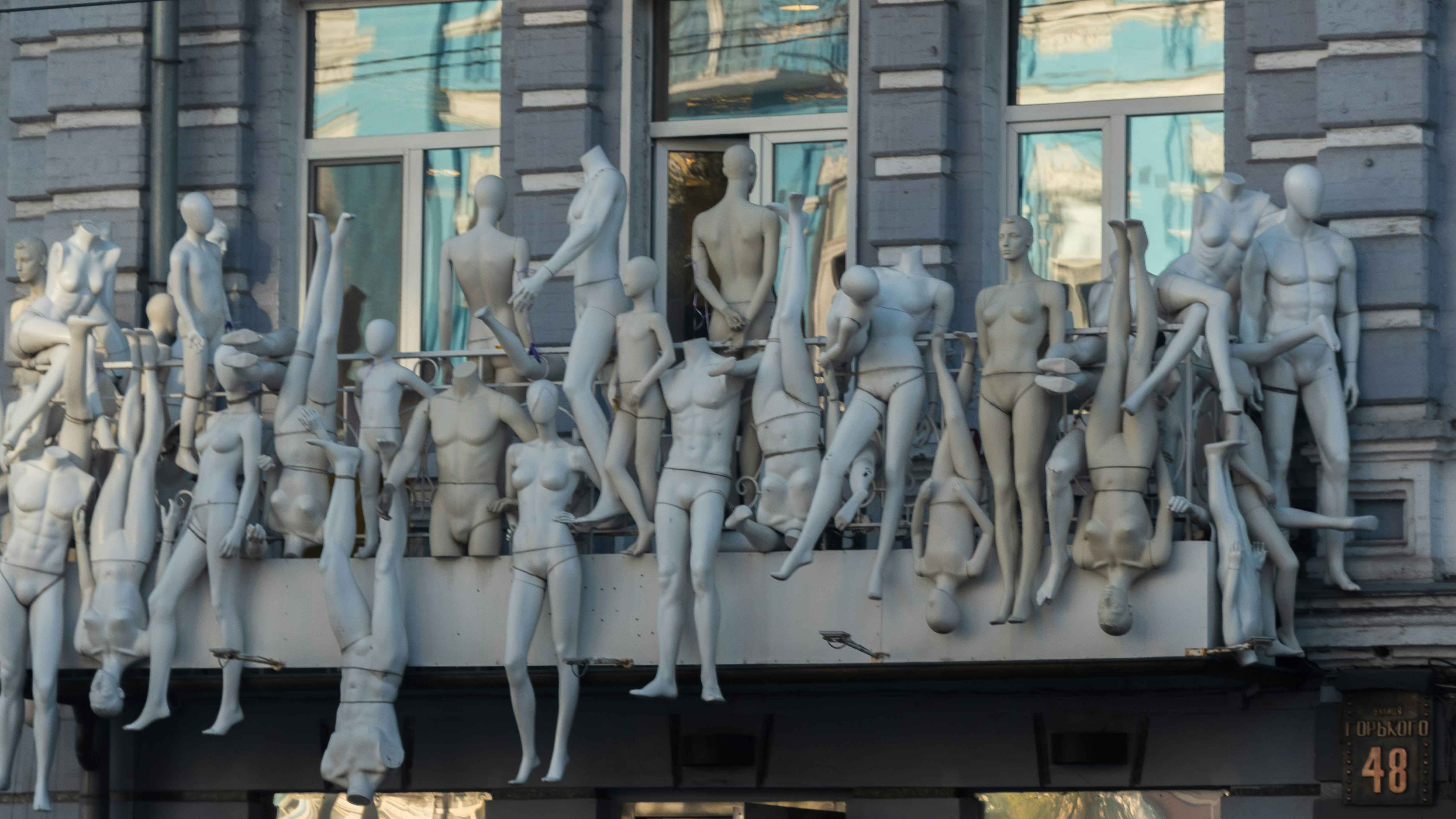
Image Credits: Unsplash
Alt text: Disassembled mannequins symbolizing bodies being fragmented, altered, and treated as objects.
Consent doesn't become irrelevant just because an image is generated rather than captured. A woman's autonomy can be violated without any physical contact. When someone uses AI to create intimate or altered depictions of her without her knowledge, they are making a decision about her body — one that was never theirs to make.
Curiosity is not a cute excuse here. Neither is humor. If the joke depends on turning someone’s body into something they did not agree to, then the joke is not harmless. It is control wearing a filter.
The Tool Is AI, the Issue Is Entitlement
AI did not invent the objectification of women. The internet was already doing the most long before generative tools arrived, with women’s photos screenshotted, judged, edited, mocked, and taken out of context. AI has simply made the process faster, easier, and harder to trace.
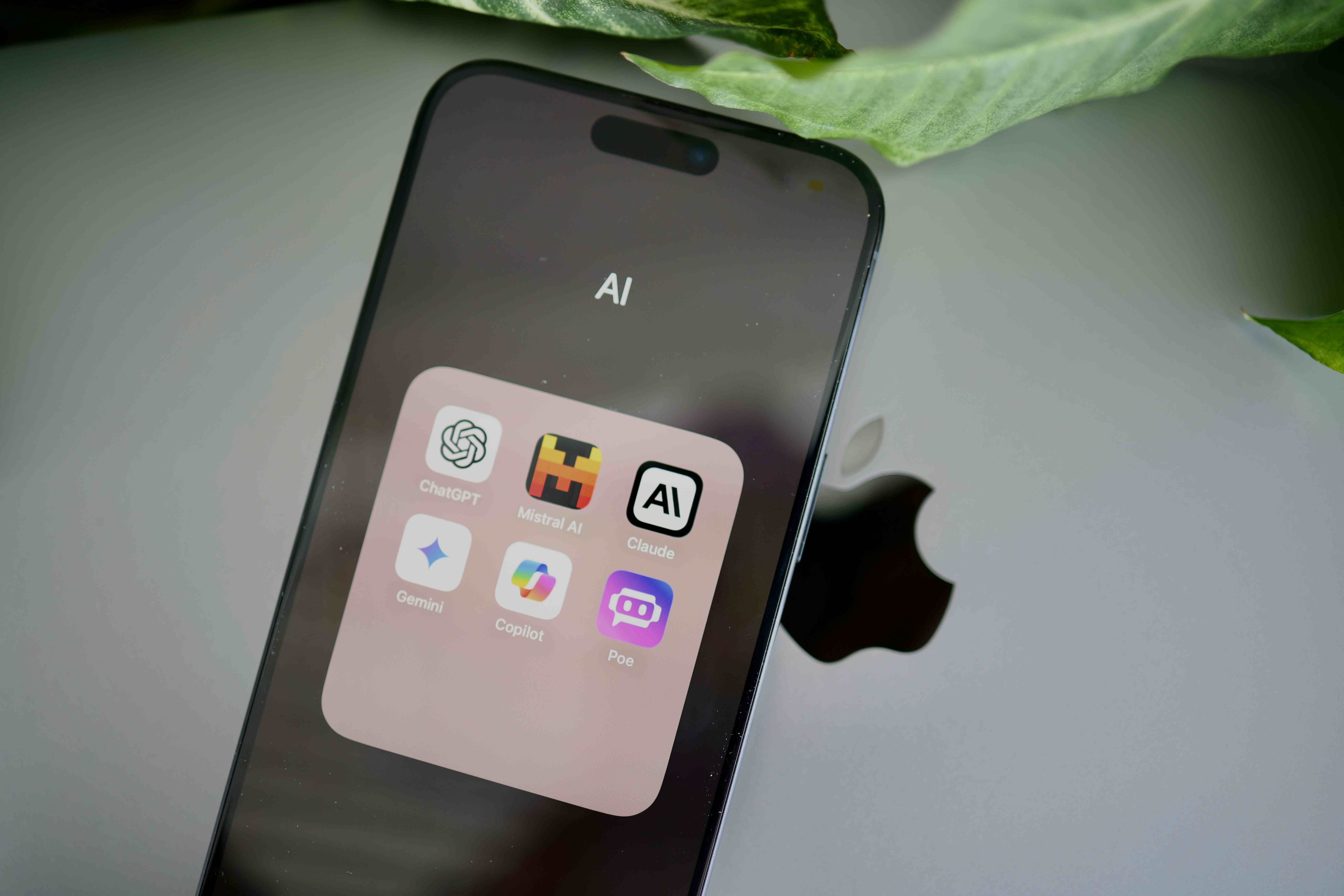
Image Credits: Unsplash
Alt text: A smartphone displaying a folder of AI application tools.
Deepfakes are not a future problem. They are a current one, and they have a clear target. 95% of deepfakes circulating online are nonconsensual pornographic images, and 90% of those are of women.
That is why blaming the technology alone misses the deeper issue. AI is the tool, but entitlement is the engine. The harm begins with the belief that women’s bodies are available for commentary, fantasy, and manipulation.
That entitlement often looks like:
Treating public photos as permission to use someone’s image however you want
Dismissing digital harm because it happened through a screen
Expecting women to self-censor instead of expecting others not to violate them
Framing nonconsensual AI images as funny or unserious because they are synthetic
This is not innovation. It is old misogyny with better software. The technology may be new, but the logic behind it feels painfully familiar: women’s bodies are still treated as things to be adjusted, consumed, and controlled.
Beauty Culture and the Editable Female Body
There is another layer to this conversation beyond direct abuse. AI-generated bodies also feed into the beauty culture women are already trying to survive.
For years, women have been told to be more polished, symmetrical, youthful, toned, effortless, more everything. Filters softened the face. Editing apps shaped the waist. Social media made comparison something women do before breakfast. AI takes it further; it makes the body feel like a draft, something that can always be revised.
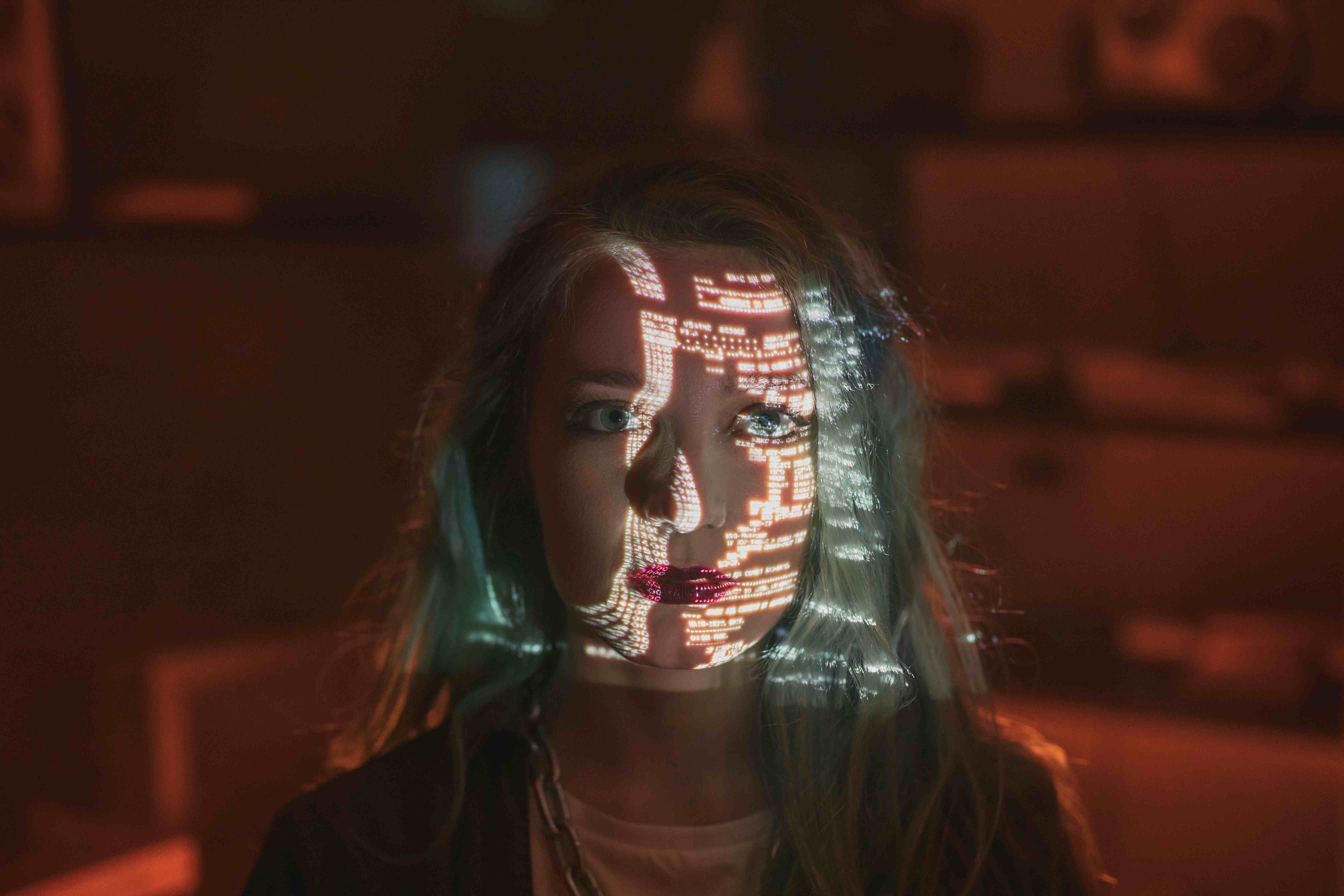
Image Credits: Pexels
Alt text: A woman looking ahead as digital code is projected across her face.
The AI version of a woman has been quietly cleaned up. No pores, no bloating, no skin that breaks out, no body that looks different depending on the week, the light, the hour. She is fantasy without friction, which matters because beauty standards do not stay trapped inside screens. They change what people expect from real women and make natural bodies look unfinished. For those already living with body-image distress or dysmorphic thinking, this is not a minor irritation.
Slowly, the female body becomes less like something lived in and more like something open for revision. But bodies are not design projects. They carry memory, stress, pleasure, pain, growth, aging, and identity. They are not supposed to exist as customizable templates for someone else’s imagination.
What Digital Consent Needs to Look Like Now
If AI is changing what can be done with our images, then consent has to catch up too.
AI image culture often looks harmless at first: fantasy portraits, polished headshots, doll-style edits, “imagine me as” trends. There is nothing wrong with using AI creatively when someone chooses it for themselves. The issue begins when someone else’s face, body, or likeness gets used without permission.
A healthier digital culture starts with clearer boundaries:
Post thoughtfully, but don’t carry the blame.
It makes sense to be mindful of public photos, privacy settings, and who can access your images. But if someone misuses your photo, the responsibility is still theirs.Respect the person behind the picture.
A public image is not an open invitation to edit, sexualize, mock, or regenerate someone’s body.Don’t dismiss synthetic harm as harmless.
Just because an image is AI-generated does not mean the impact is imaginary. Fake images can still cause real fear, shame, harassment, and damage.Be mindful of what AI trends normalize.
Fun AI edits are different when someone chooses them for themselves. The problem starts when trends make it feel casual to alter, sexualize, or imagine someone else’s body without consent.Teach digital consent before damage happens.
Schools, workplaces, and online communities need clearer conversations about image rights, consent, and the consequences of turning someone’s likeness into content.
Digital consent is not about killing creativity. It is about remembering that a person’s image is attached to a real body, a real identity, and a real life.
The Female Body Is Not Yours to Render
The conversation around AI-generated bodies is ultimately not just about tools. It is about power.
Who gets to imagine a woman’s body? Who gets to edit it? Who gets to circulate a version of her that she never approved? And why are women still expected to absorb the consequences of other people’s entitlement?
The female body has been edited, judged, consumed, and controlled for long enough. AI did not start that story, but it is making the next chapter move faster than our culture seems ready to handle.
So the boundary has to be simple: no one’s likeness should be used to create a body they did not consent to. Not for curiosity. Not for comedy. Not because the technology makes it easy.
A woman’s body is not a prompt waiting to be improved, imagined, or exposed. It is hers before it is anyone else’s idea.
